Dzi La: The technical 16% climb through the Ngonkhori range
Located in the remote Sêrxü County, within the Garzê Tibetan Autonomous Prefecture of northwest Sichuan, Dzi La is a high mountain pass reaching an elevation of 4,799m (15,744ft) above sea level. Tucked away in the rugged Ngonkhori mountain range, this pass represents the rawest form of high-altitude driving in the Kham region.
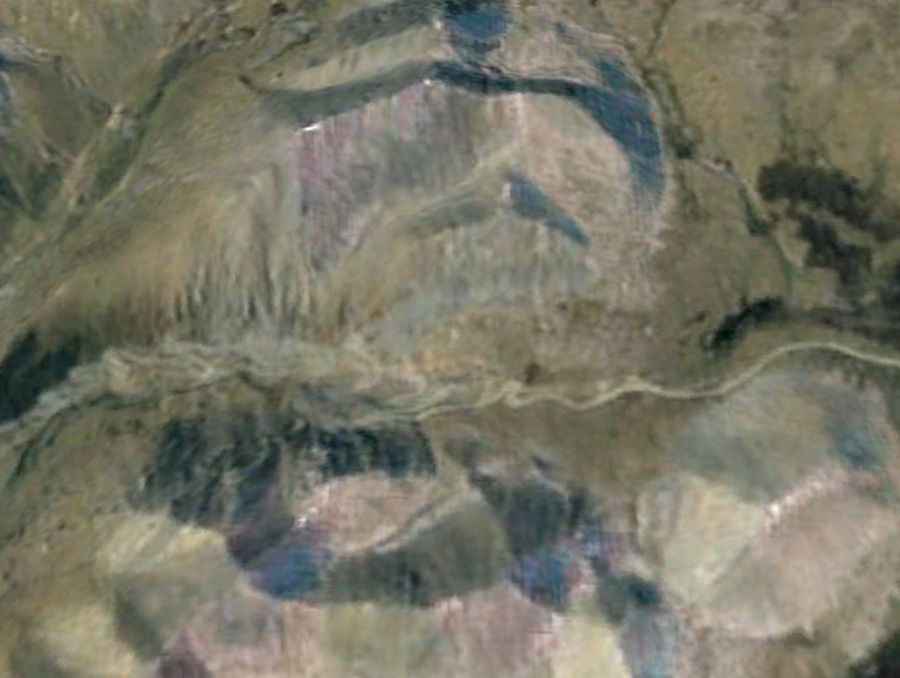
The journey over Dzi La is a test of nerves and mechanical endurance. At the coordinates 32.66468, 98.04547, you are far from the modern asphalt of eastern China. While the newer S456 road now handles the majority of transit traffic, the original unpaved track to the summit remains open for those who seek a technical challenge. This older route offers a more direct, albeit much more dangerous, ascent through a landscape of high-altitude grasslands and jagged peaks.
| Road facts: Dzi La (Ngonkhori Range) | |
|---|---|
| Location | Sêrxü County, Sichuan, China |
| Elevation | 4,799 m (15,744 ft) |
| Length | 75.1 km (46.6 miles) |
| Max Gradient | 16% |
| Surface | Unpaved / Gravel |
How challenging is the road from Sêrxü to Luoxuzhen?
The road over the pass spans 75.1 km (46.66 miles), running in a north-south direction from the town of Sêrxü (connected via the G345) to Luoxuzhen. The surface is entirely unpaved and is notorious for its "countless turns and twists" that follow the natural, steep contours of the mountains. Unlike the modern S456, this track does not use long sweeping curves; instead, it attacks the slopes directly, with several ramps hitting a maximum gradient of 16%.
A high-clearance 4x4 vehicle is mandatory to navigate the deep ruts and loose gravel that characterize this climb. At nearly 4,800 meters, your vehicle will suffer a significant loss of power. Managing the 16% inclines requires careful gear selection—usually low-range—to prevent the engine from stalling or overheating in the thin atmosphere. There are no safety barriers, and the drops into the Ngonkhori valleys are sheer and unforgiving.
Survival in the Kham Highlands
Dzi La is located in one of the highest inhabited areas of the Tibetan Plateau. The weather is extreme and can change in minutes. Even in the middle of summer, sudden snowstorms or heavy hail can turn the dusty track into a slippery mud trap. Because the road is now bypassed by a newer route, maintenance is less frequent, meaning you may encounter landslides or washouts that haven't been cleared for days.
Before attempting the Dzi La, ensure you are fully self-sufficient. There are no facilities, fuel stations, or mechanical workshops along this 75km stretch. Carry professional-grade recovery gear, extra fuel, and medical-grade oxygen to combat Altitude Sickness (AMS). As with any high-altitude crossing in Garzê, driving in Sichuan’s Tibetan areas as a foreigner requires specific permits and local guidance. Dzi La is an epic drive for the courageous, but it demands absolute respect for the mountains.
Road suggested by: Hugh Wilson