How dangerous is the G317 road over Lazhi La in Tibet?
Lazhi La is a brutal high-mountain pass sitting at 4,501m (14,767ft) above sea level in the Chamdo Prefecture of eastern Tibet. This isn't some quiet backroad; it’s a key sector of the G317 (China National Highway 317), the main artery connecting Karuo District and Jomda County. Driving here means sharing a narrow, winding strip of asphalt with massive freight trucks that dominate the road, all while your engine gasps for oxygen on a relentless 178-kilometer haul through one of the most remote corners of the plateau.
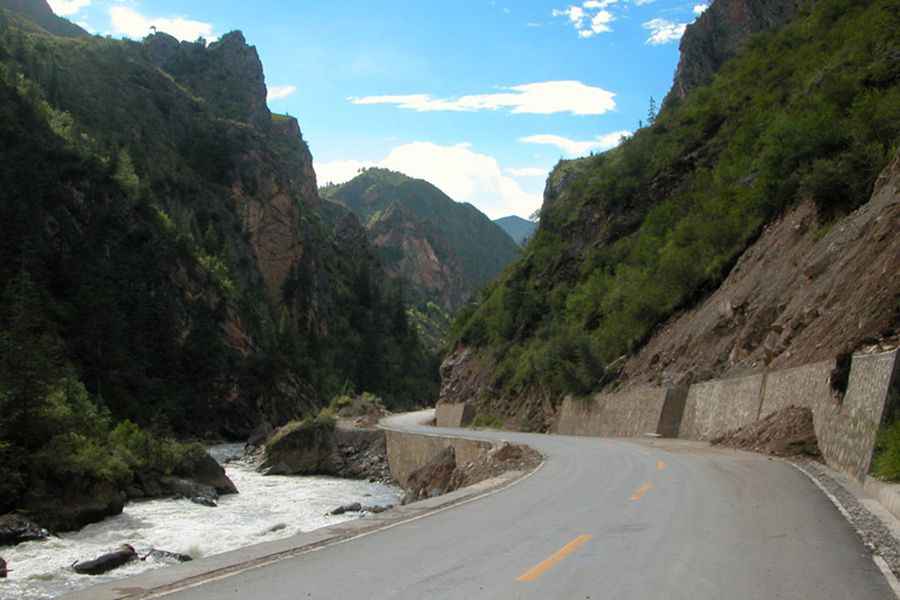
| Road facts: Lazhi La (G317) | |
|---|---|
| Location | Chamdo, Tibet (Karuo/Jomda border) |
| Elevation | 4,501 m (14,767 ft) |
| Road Name | China National Highway 317 (G317) |
| Length | 178 km (111 miles) |
| Surface | Paved / Cracked Asphalt |
What is it like to drive the 178 km across Lazhi La?
The journey from Chamdo to the S501 junction is a 178 km (111 miles) test of patience. While the G317 highway is fully paved, the reality of the asphalt is grim. The heavy weight of the constant truck traffic on the way to Jomda leaves the surface cracked, rutted, and full of unexpected potholes. At 4,501 meters, your vehicle will feel incredibly sluggish; the lack of air pressure means every overtake of a slow-moving truck requires careful planning and a lot of room. Fuel consumption will skyrocket as you push the engine through the long, thin-air climbs, and you won't find a reliable pump for hours once you leave the outskirts of Chamdo.
Why are the trucks a major hazard on Lazhi La?
On the G317, you are at the mercy of the big rigs. These trucks move slowly on the uphills, often belching thick smoke, but they pick up massive speed on the descents. The road is carved directly into the mountainside with very little shoulder room and almost no guardrails. Passing them on the narrow hairpins is a high-stakes move. You also have to watch out for falling rocks—after any rain or a quick freeze-thaw cycle, the cliffs above Lazhi La frequently drop debris directly onto the driving lane. If you don’t use engine braking on the long drops toward Jomda, you will cook your brakes long before you reach the bottom.
Can you drive the Lazhi La pass during the winter?
The G317 is technically open all year because it's a vital supply road, but in winter, the 4,500-meter summit is a different beast. Black ice is the silent killer here; it forms in the shadows of the mountains and stays there all day. Sudden blizzards can shut down the pass in minutes, leaving you trapped in sub-zero temperatures with no cell service. Between November and March, you are looking at extreme cold-start issues for your engine and a mandatory requirement for snow chains. If the weather turns while you are on the 178 km stretch, you have to be prepared to wait for hours or even days until the road crews can clear the path.
Is there any help if you break down on Lazhi La?
Once you commit to the climb out of Chamdo, you are essentially on your own. There is almost no roadside assistance and very few settlements between the major towns. Your cooling system must be in perfect shape; the combination of steep grades and low air density is famous for making radiators boil over. Fill up your tank to the brim before leaving Chamdo and carry extra water and warm clothes. If your car dies on these 4,501m ramps, you are looking at a very long wait for a tow truck that might have to come all the way from Jomda, and with the lack of signal, getting that message out is your first big problem.
Road suggested by: Hugh Wilson
Pic: Carl Parker