Tiejiangshan Pass: Driving the brutal 20% ramps in Sichuan
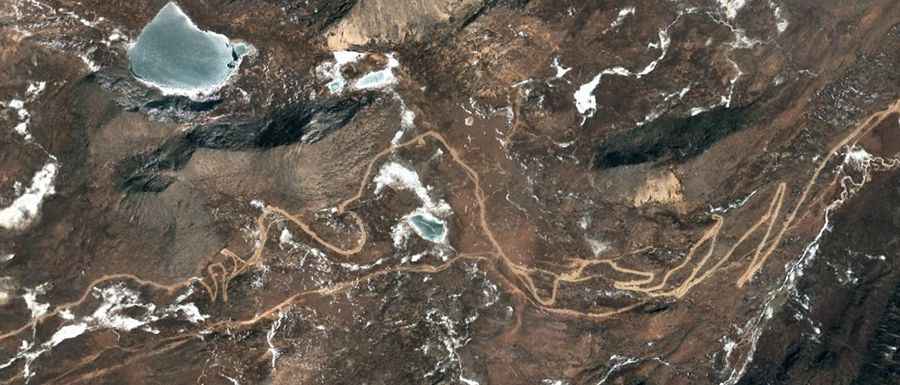
Tiejiangshan Pass (also known as Blacksmith Mountain Pass) is a high-altitude mountain pass at an elevation of 4,796 meters (15,734 ft) above sea level, located in Litang County within the Garzê Tibetan Autonomous Prefecture of Sichuan, China. Traversed by a paved branch road extending from the G318 National Highway, the route crosses the rugged high-altitude plateau between Litang and Chayu.
| Road facts: Tiejiangshan Pass (Sichuan) | |
|---|---|
| Location | Litang, Garzê Prefecture, Sichuan (China) |
| Elevation | 4,796 m (15,734 ft) |
| Length | 29.8 km (18.5 miles) from G318 |
| Elevation Gain | 1,105 m (3,625 ft) |
| Max Gradient | 20.0% |
| Surface | Paved asphalt |
Where is the road to Tiejiangshan Pass located?
The pass is located in western Sichuan Province, branching north off China National Highway 318 near Litang. The 29.8-kilometer road climbs through the high-altitude mountain valleys of the Garzê region toward the 4,796-meter summit.
How steep is the drive up Tiejiangshan Pass?
Starting from the G318 junction, the route gains 1,105 vertical meters over 29.8 kilometers. While the overall average incline is 3.7%, the road includes sustained steep sectors and individual ramps reaching up to 20% gradient. At nearly 4,800 meters elevation, reduced atmospheric pressure causes a noticeable drop in engine power, forcing vehicles to climb in low gears.
What hazards exist on the Tiejiangshan Pass route?
The road features continuous switchbacks along open mountain slopes with minimal protective barriers. Black ice frequently forms in shaded curves year-round due to freezing temperatures at high altitude. Loose scree and rockfalls from adjacent cliffs regularly spill onto the driving lane. On the steep 29.8-kilometer descent back toward the main highway, drivers must use low gears to engine brake and prevent brake pad overheating.
Is fuel and mechanical service available on Tiejiangshan Pass?
No. There are no gas stations, repair workshops, or services along the 29.8-kilometer pass sector between the G318 and the summit. Drivers must fuel their vehicles and check mechanical readiness in Litang before attempting the crossing.
Road suggested by: Hugh Wilson