Drongu La: Driving the paved 18% gradients in Tibet
Drongu La is a high mountain pass reaching an elevation of 4,929 meters (16,171 ft) above sea level in Sa'gya County, Shigatse Prefecture, Tibet Autonomous Region, China. Traversed by the paved Sa Chu County Road (X508), the high-altitude route connects Zhaxigangxiang with Mabujiaxiang across the Himalayan rain shadow.
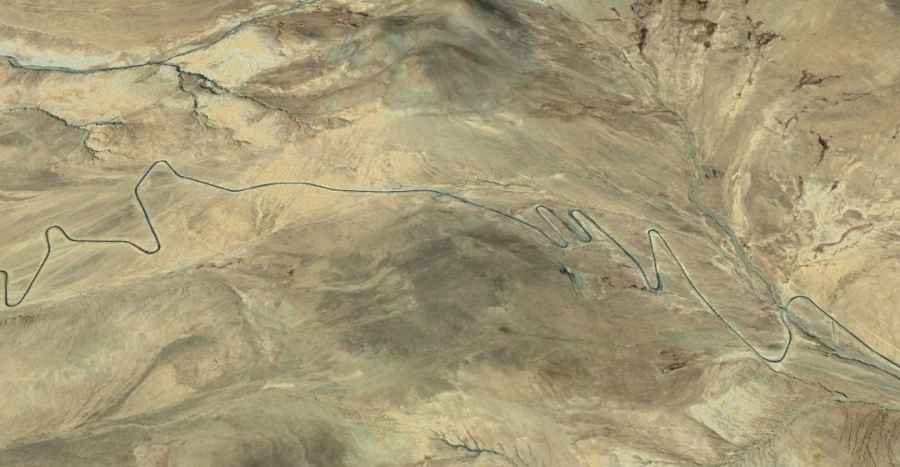
| Road facts: Drongu La | |
|---|---|
| Location | Sa'gya County, Shigatse (Tibet) |
| Elevation | 4,929 m (16,171 ft) |
| Length | 37.4 km (23.2 miles) between Zhaxigangxiang and Mabujiaxiang |
| Maximum Gradient | 18% |
| Surface | Fully paved asphalt |
| Key Hazards | 18% incline ramps, severe high-altitude power loss, black ice accumulation |
Where is Drongu La located?
The pass is situated in the central southern region of Tibet, within the administrative boundaries of Sa'gya County in Shigatse. The 37.4-kilometer paved corridor runs north-south, linking the high agricultural valleys of Zhaxigangxiang and Mabujiaxiang.
Is the road over Drongu La paved?
Yes. The entire 37.4-kilometer route is fully paved with asphalt. However, extreme freeze-thaw cycles and high-altitude radiation cause asphalt cracking, frost heaves, and sudden surface subsidence along the higher ramps.
How steep is the road over Drongu La?
The climb features exceptionally steep geometry, with maximum gradients reaching 18% along the southern approach ramps. Gaining altitude up to 4,929 meters on an 18% grade causes heavy power loss in naturally aspirated engines due to air density dropping to approximately 55% of sea-level atmospheric pressure.
Is Drongu La open in winter?
The pass experiences frequent temporary closures during winter months due to heavy snowpack and black ice formation on the paved 18% inclines. Sub-zero temperatures dropping below -30°C cause meltwater runoff to freeze directly onto the asphalt surface.
Road suggested by: Hugh Wilson