How to drive the 5,775m Zǔsōng La pass in the Gangdise Mountains?
Zǔsōng La (also known as Ouerji La) is an extreme high-altitude mountain pass at an elevation of 5,775m (18,946ft) above sea level, located in Coqên County, within the Ngari Prefecture of Tibet, China. Situated in the Gangdise Mountains on the Tibetan Plateau, it ranks as one of the highest motorable roads in the world. Driving this unpaved route requires a specialized 4WD vehicle and a strict oxygen-management protocol for the crew.
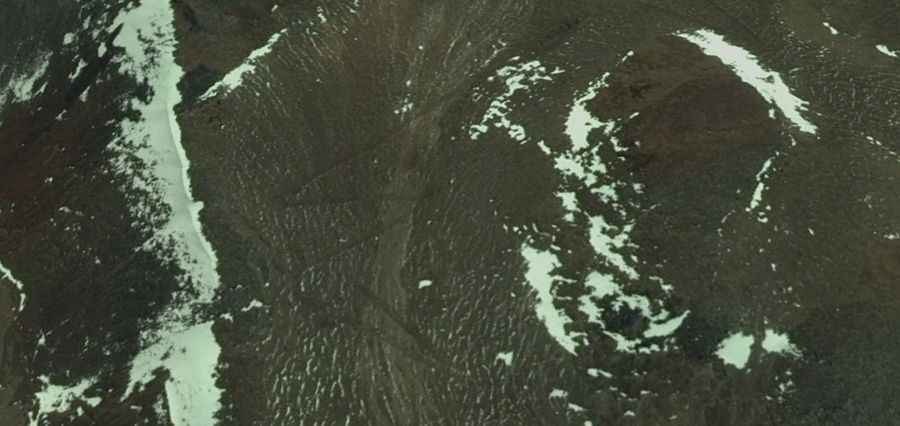
| Road facts: Zǔsōng La (Ouerji La) | |
|---|---|
| Location | Coqên County, Ngari (Tibet) |
| Elevation | 5,775 m (18,946 ft) |
| Length | 87 km (54.05 miles) from Debuzhao Ema |
| Max Gradient | 10% |
| Surface | Unpaved (High-altitude silt and rock) |
What is the technical difficulty of the Zǔsōng La ascent?
Starting from Debuzhao Ema, the drive to the summit is 87 km long, involving a massive elevation gain of 1,652 meters. Technically, the road is completely unpaved and ranks among the highest mountain passes of China. The ascent includes ramps with a maximum gradient of 10%. At 5,775m, the atmospheric pressure is less than half of that at sea level, which leads to a severe drop in engine torque and cooling efficiency. Driving in these conditions demands a vehicle in peak mechanical state, as the thin air forces turbochargers to work at their structural limits to maintain combustion.
How to manage logistics near Changlung and Aruo lakes?
The 87 km route ends near the isolated Changlung and Aruo lakes. Logistically, this sector of the Ngari Prefecture is one of the most remote on the Tibetan Plateau. Surface conditions are highly unpredictable; winter snowfalls make the track tough and slippery, often leading to total vehicle immobilization. Safety protocols mandate carrying emergency oxygen supplies and auxiliary fuel, as there is zero infrastructure in the Gangdise range. Due to permit restrictions and the technical nature of the climb, vehicle traffic is almost non-existent, requiring teams to be entirely self-sufficient for recovery operations.
Mechanical requirements for extreme high-altitude transits
Technically, driving through Zǔsōng La puts an unprecedented load on the vehicle's electrical and fuel systems. Before starting the climb, ensure that the battery and starter motor are rated for sub-zero starts at high elevation. The unpaved surface consists of sharp volcanic rock and fine glacial silt that can compromise tire sidewall integrity. On the 10% descent, engine braking is the only reliable method to control speed, as the reduced oxygen density can also affect the driver's cognitive performance and reaction times. Constant monitoring of coolant temperatures is a technical necessity to prevent engine failure in the thin Tibetan atmosphere.
Road suggested by: jorge manuel gómez sánchez