How to drive the 12 hairpin turns of Yepuchen La in Tibet?
Yepuchen La (also known as Yipuqin La) is a high-altitude mountain pass at an elevation of 5,113m (16,774ft) above sea level, located in the eastern Nyenchen Tanglha mountains of Tibet, in China. The unpaved route connects Biru County in Nagqu with Banbar County in Chamdo.
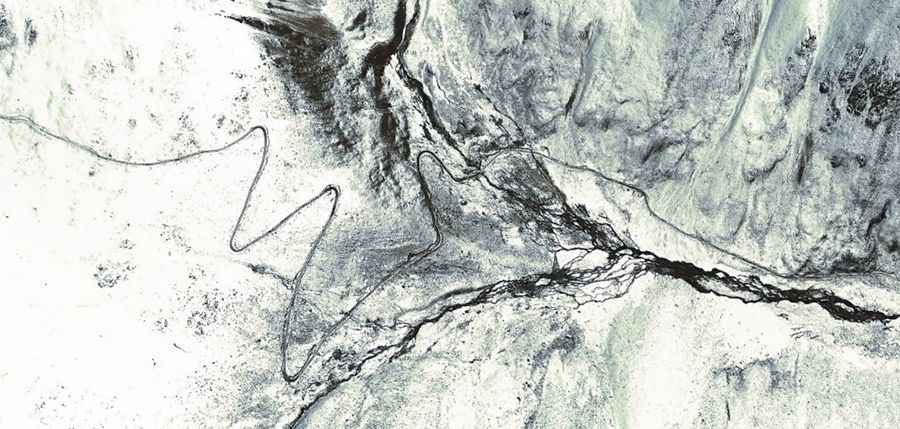
| Road facts: Yepuchen La (Yipuqin La) | |
|---|---|
| Location | Biru County (Nagqu) / Banbar County (Chamdo), Tibet (China) |
| Elevation at Summit | 5,113 m (16,774 ft) |
| Length | 33 km (20.5 miles) from Tsapuka to Yaibug |
| Hairpin Turns | 12 switchbacks near the summit |
| Max Gradient | 13% |
| Surface | 100% unpaved (loose gravel, rock debris, dirt) |
| Vehicle Requirements | High-clearance 4x4 mandatory |
Where is Yepuchen La located?
The pass sits in the eastern Nyenchen Tanglha range, running west of Samu Co lake and near the Sepu Kangri peak (6,956m). The 33 km route connects Tsapuka and Yaibug, following the Nok Chu valley to the southeast.
Is the road to Yepuchen La paved?
No. The entire 33 km stretch is completely unpaved, consisting of loose gravel, dirt, and sharp rock debris across the Nagqu-Chamdo mountain transition zone.
Is a 4x4 required to drive Yepuchen La?
Yes. A high-clearance 4x4 is mandatory. Steep ramps reaching gradients of up to 13%, combined with a tight series of 12 sharp hairpin turns near the 5,113m summit, require low-range gearing to maintain traction and compensate for high-altitude engine power loss.
How challenging is driving the Yepuchen La pass?
The climb requires precise throttle control over loose, unpaved surfaces. Down in the Nok Chu valley, the track is prone to active landslides and seasonal washouts. On long descents, continuous engine braking is required to prevent foot brakes from overheating on sustained 13% slopes.
How dangerous is the road to Yepuchen La?
The primary dangers are severe altitude sickness (AMS) at over 5,100 meters, extreme isolation with zero roadside assistance or fuel stations, and sudden high-alpine weather shifts that rapidly turn the dirt track into a slick, muddy surface.
Road suggested by: Hugh Wilson