Kura La: Driving the 25% Gradients on the S209 in Tibet
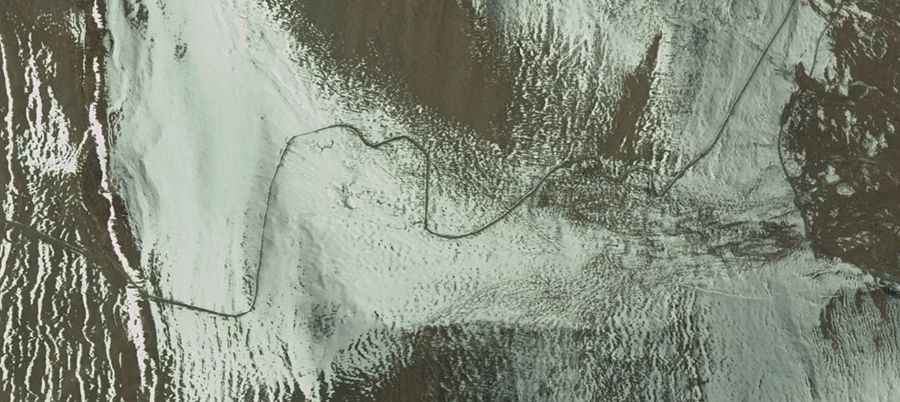
At an elevation of 5,395m (17,700ft) above sea level, Kura La is a high mountain pass located on the boundary between Ngamring and Nyalam counties in the Xigazê prefecture of Tibet. This crossing on the S209 Provincial Road is one of the highest navigable points in the region, situated south of the Yarlung Tsangpo river.
| Road facts: Kura La | |
|---|---|
| Location | Xigazê, Tibet, China |
| Elevation | 5,395 m (17,700 ft) |
| Road Name | S209 Provincial Road |
| Length | 43.1 km (26.8 miles) |
| Max Gradient | 25% |
How is the road through Kura La?
The road spans 43.1 km (26.8 miles), running north-south from Suozuoxiang to Riwuqixiang. The entire stretch is unpaved and consists of loose gravel and high-plateau dust. The drive is exceptionally technical, with some ramps hitting a maximum gradient of 25%. At nearly 5,400 meters, this incline is a massive strain on any engine. A heavy-duty 4x4 with low-range gearing is essential to maintain momentum on the loose surface without overheating the transmission.
Is the S209 to Kura La open year-round?
The pass is frequently blocked by snow and extreme weather. Due to the altitude, sub-zero temperatures are common even in mid-summer, and blizzards can occur without warning. In winter, the road is completely impassable. Before starting the 43 km transit, you must check local weather reports in Nyalam; if there is any recent precipitation, the 25% ramps become a mud trap that even the best off-road vehicles will struggle to climb.
What are the main risks at 5,395 meters?
The extreme altitude is the primary hazard. Internal combustion engines lose about 40-50% of their power at this height. If your vehicle isn't in perfect mechanical shape, it will stall on the steepest sections. For the driver, altitude sickness is almost guaranteed if you haven't acclimated properly. There is no cell service, no fuel, and no medical aid for the entire length of the S209 section, so carry everything you need to survive a breakdown in freezing conditions.
Logistics and Visibility
The pass offers views of Everest and Cho Oyu on clear days, but the driver must focus on the track. The road is narrow, has no safety barriers, and the edges can be soft. If you are traveling from Riwuqixiang, ensure your cooling system is pressurized and your brakes are checked for the long descent on the other side. Use engine braking constantly to avoid glazing your brake pads on the 25% slopes. Carrying oxygen and a satellite communication device is highly recommended for this route.
Road suggested by: Hugh Wilson