Driving the unpaved Bingchacha Line to Yixula Pass
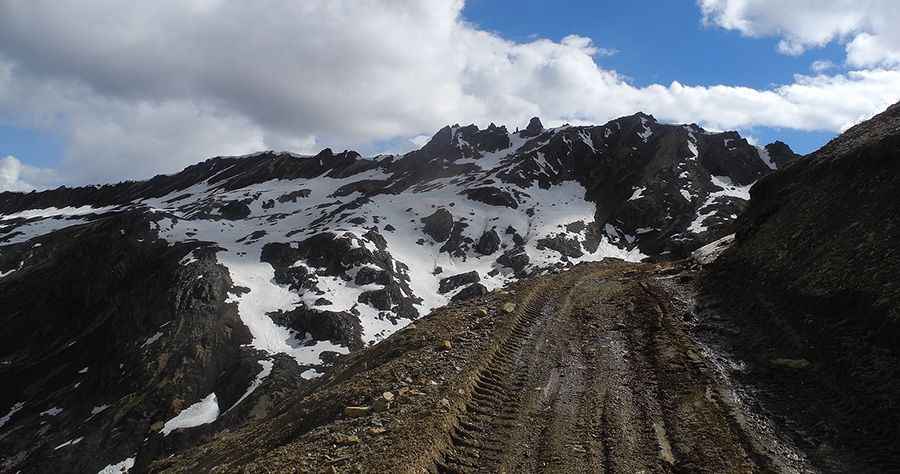
Yixula Pass, also known as Yixu La or Tsong La, is an extreme high-altitude mountain pass at an elevation of 4,745 meters (15,567 ft) above sea level, located in Zayü County, Nyingchi Prefecture, Tibet. Traversed by the notorious Bingchacha Line, this route is widely considered the most primitive road in China. Connecting Chawalong to Zayü, the drive is a relentless 46.6-kilometer struggle against raw terrain, where long dangerous cliffs and a totally unpaved surface create a high-load environment for both the vehicle's suspension and the driver's focus.
| Road facts: Yixula Pass (Bingchacha Line) | |
|---|---|
| Location | Zayü County, Tibet, China |
| Elevation | 4,745m (15,567ft) |
| Length | 46.6 km (28.9 miles) |
| Elevation Gain | 2,368 m (7,769 ft) |
How challenging is the climb on the Bingchacha Road?
The 46.6-kilometer journey from Drowagon is a mechanical torture test. To reach the summit of Yixula Pass, you must overcome a massive elevation gain of 2,368 meters. While the average gradient is 5.08%, the reality is much harsher: the road is mostly unpaved and the ground is frequently muddy, leading to unpredictable traction. The most technical sections involve "rolling stone slopes" and quicksands that can trap a high-clearance 4x4 if momentum is lost. At 4,745 meters, your engine's torque will drop significantly due to the lack of oxygen, forcing you to rely on low-range gearing to manage the twists and turns of this primitive track.
What are the main hazards on the Yixula mountain pass?
The primary hazard is the combination of extreme cliff exposure and geological instability. Rockfalls are a constant physical reality; large stones frequently tumble onto the driving line, requiring the driver to actively avoid obstacles while managing narrow ledge sections. The climate in southeastern Tibet is highly changeable, and "hidden snow" can persist year-round at the summit. Driving at night is strictly not advised, as the lack of visibility makes it impossible to spot the deep ruts, quicksands, or the long drops that define the Bingchacha Line. The psychological pressure of the cliffs is high, especially in sections where the roadbed is softened by mountain runoff.
Is the Yixula Pass open year-round?
Technically, the road is open all year, but its practical accessibility is a gamble. Snow at 4,745 meters does not melt completely, and even in mid-summer, sudden blizzards can block the summit. The logistics of the Bingchacha Line are primitive; there are no official snow-clearing services, and the road is often severely damaged by landslides. If the weather turns, the "treacherous" ground conditions escalate quickly, making the unpaved surface impassable for anything other than heavy-duty 4x4 vehicles. Always coordinate with local transport hubs in Chayu/Zayu before attempting the crossing to ensure the track has not been washed away by recent storms.
What mechanical prep is needed for the 2,368m vertical climb?
Before starting the ascent from Drowagon, verify that your 4WD system and tires are in top condition. The combination of mud, rocks, and steep ramps requires reinforced tire sidewalls to avoid punctures. Check your cooling system; a 2,368-meter vertical gain at slow speeds will put an immense thermal load on the motor in the thin Tibetan air. Ensure your air filters are clean, as the dust and thin air are a lethal combination for engine aspiration. Carry at least 40 liters of extra fuel and 30 liters of water, along with recovery gear like sand tracks and a winch. In this isolated sector of Nyingchi, self-sufficiency is the only way to manage a breakdown on the most primitive road in China.
Road suggested by: Hugh Wilson
Pic: 程亮