Driving the 5.031m Damne La: A high-altitude road in Biru County
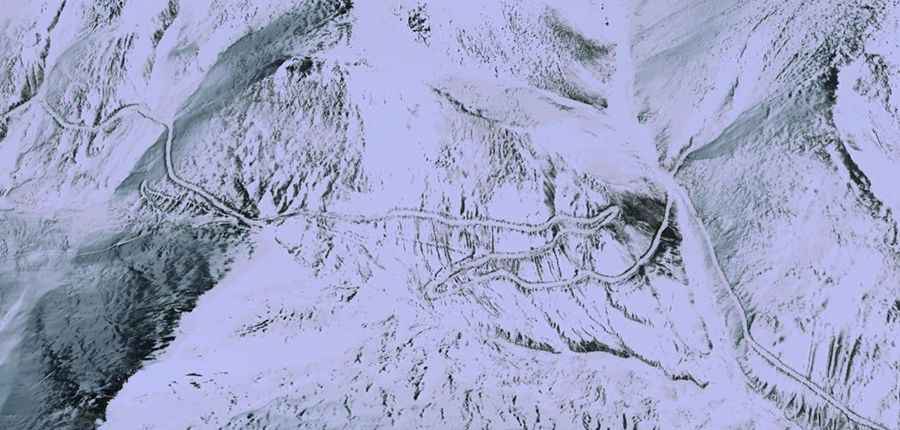
Damne La is an extreme high-mountain pass at an elevation of 5,031 meters (16,505 ft) above sea level, located in Biru County, within the Nagqu prefecture of the Tibet Autonomous Region, China. The unpaved mountain road connects the localities of Gongmaduocun and Duogeiduo.
| Road facts: Damne La | |
|---|---|
| Location | Biru County, Nagqu, Tibet (China) |
| Elevation | 5,031 m (16,505 ft) |
| Length | 22 km (13.6 miles) |
| Surface | Unpaved (Loose gravel and dirt) |
How long is the mountain road to Damne La?
The unpaved mountain track is 22 kilometers (13.6 miles) long, running through the high-altitude ridges of Biru County. The single-lane road climbs directly into the high alpine zones of the Tibetan plateau, reaching its highest point at the 5,031-meter summit crest. The trackbed consists of a raw dirt and gravel base used primarily by local pastoral trucks, with no paved segments or roadside facilities along the entire crossing.
What are the driving hazards across the Damne La pass?
The entire 22-kilometer path is unpaved, featuring a rough surface made of deep dirt ruts, loose gravel ramps, and fine glacial dust. The track climbs via steep switchbacks that completely lack side guardrails or safety barriers above vertical drop-offs. Due to the loose nature of the stone debris and steep grades, a high-clearance 4x4 vehicle with low-range gearing is required to maintain tire traction, especially since the 5,031-meter altitude significantly cuts engine power and torque output.
Is the Damne La pass open in winter?
Due to its extreme altitude on the northern Tibetan plateau, the pass faces severe Arctic conditions and is completely blocked by deep snow drifts and thick ice from October until June, remaining entirely impassable. The route receives no winter maintenance or clearing services. During the summer, the track is prone to sudden landslides during the spring thaw and flash floods from rainstorms, which wash out the narrow shoulders and leave deep mud traps across the lane.
Road suggested by: Hugh Wilson