How dangerous is the high-mountain road to Lungzang La in Tibet?
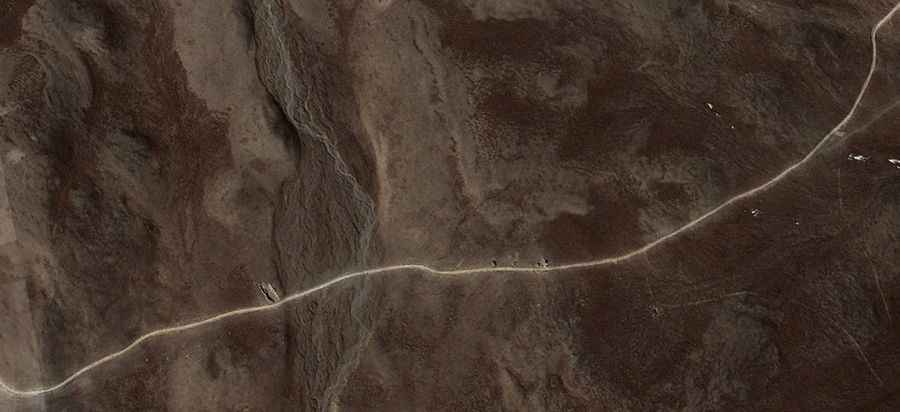
Lungzang La is an extreme high-mountain pass at an elevation of 5,319 meters (17,450 ft) above sea level, located in Xaitongmoin County of the Shigatse Prefecture, within the Tibet Autonomous Region of China. The road across the summit, designated as the Qingqu Line, is one of the highest vehicle tracks in the world.
| Road facts: Lungzang La (Qingqu Line) | |
|---|---|
| Location | Xaitongmoin, Shigatse, Tibet (China) |
| Elevation | 5,319 m (17,450 ft) |
| Length | 46.4 km (28.83 miles) |
| Surface | Mostly unpaved (Gravel and packed dirt) |
How long is the Qingqu Line road through Lungzang La?
The mountain road spans 46.4 kilometers (28.83 miles), running north-south to connect the localities of Qingtü and Chabuxiang. While the southern approach contains some short paved segments, the vast majority of the route is entirely unpaved. The track passes beneath the limestone massifs of the Sholapu Gangri peak (6,310 m), tracing steep mountain flanks with zero lateral safety barriers or guardrails. The unpaved surface is heavily subject to gravel washouts caused by rapid seasonal alpine snowmelt.
What are the driving hazards on the Lungzang La pass?
The extreme 5,319-meter altitude causes a severe drop in air density, cutting engine power output significantly and increasing the risk of cooling systems boiling over on the steep sections. The trackbed is single-lane and features a raw, unmaintained base of loose rocks, jagged shale fragments, and deep dirt ruts. A high-clearance 4x4 vehicle with a low-range transfer case is required to climb the upper hairpins without losing traction on the loose stone debris. There are no facilities, communication networks, or emergency assistance along the entire 46.4-kilometer stretch.
Is the road to Lungzang La open in winter?
Due to its extreme altitude, the pass faces severe Arctic conditions and is completely blocked by heavy snow drifts and thick ice from October until June, remaining entirely impassable. Even during the short summer window, sudden mountain blizzards and freezing rain can drop the temperatures below freezing instantly. When wet, the clay and unpaved dirt base turns into a slick mud slurry, causing vehicles to slip on the sustained gradients until the sun dries the trackbed surface completely.
Road suggested by: Hugh Wilson