Trawo La: Driving the high plateau road between Tibet and Qinghai
Trawo La is a high mountain pass at an elevation of 4,946m (16,227ft) above sea level, situated on the border between the Tibet Autonomous Region and Qinghai Province in China. This remote crossing connects Nyainrong County (Nagqu) with Zadoi County, traversing a desolate high-altitude plateau in the northern part of the Tibetan highlands.
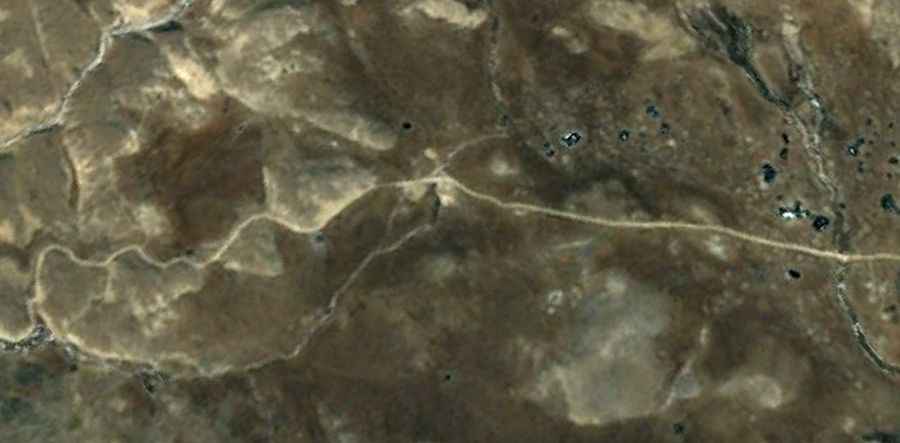
The road to the summit is entirely unpaved and crosses a rugged, treeless landscape. Due to the extreme altitude and the remote nature of the border region, a 4x4 vehicle is required. The track is highly seasonal, with access generally limited to the summer months when the route is not blocked by heavy snow or frozen terrain.
| Road facts: Trawo La | |
|---|---|
| Elevation | 4,946m (16,227ft) |
| Location | Tibet / Qinghai border (China) |
| Length | 25 km (15.5 miles) |
| Elevation Gain | 520 m |
| Average Gradient | 2.08% |
How is the drive from Denggacun to Trawo La?
The journey to the summit starts at Denggacun, a settlement located along the X604 Road. From this point, the track spans 25 km to reach the pass. Unlike many steep alpine climbs, the road to Trawo La is mostly flat, with a total elevation gain of 520 meters. This results in a very gentle average gradient of 2.08%. However, the challenge is not the steepness, but the extreme altitude, which significantly affects both vehicle engine performance and the physical condition of the travelers.
What are the conditions of the Trawo La border road?
The surface is composed of dirt and loose gravel, often showing ruts from local traffic and weather erosion. Because this is a high-altitude wilderness area, there are no facilities, emergency services, or fuel stations for miles. Travelers must be fully self-sufficient with cold-weather gear and extra supplies. The road serves as a vital but primitive link between the Nagqu prefecture in Tibet and the southwest of Qinghai, and it is essential to check local weather forecasts as conditions can deteriorate rapidly even during the summer.
Road suggested by: Hugh Wilson