The Friendship Highway: The Ultimate Overland Guide from Lhasa to Nepal
The Friendship Highway (part of the G318 National Highway) is widely regarded as one of the most spectacular overland journeys on Earth. Connecting Lhasa, the capital of Tibet, with the Nepalese border, this 800-kilometer (500-mile) route traverses the high-altitude heart of the Himalayas, offering front-row views of the world's highest peaks.
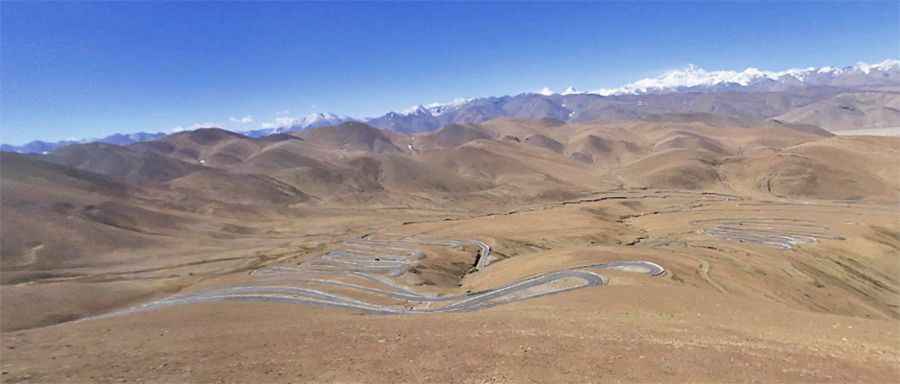
How long is the Friendship Highway?
The road stretches approximately 753 km to 800 km from Lhasa to the Chinese/Nepalese border (Zhangmu/Kodari). It is a vital section of the China National Highway 318 (G318), the longest highway in the country. Opened in 1967, the route was originally built for military purposes, but today it is the most iconic corridor for travelers exploring the "Roof of the World."
Is the Friendship Highway paved?
The road is totally paved from start to finish. However, driving conditions can be unpredictable. The 2015 earthquake caused significant damage to the highway, especially near the Nepal border. While the asphalt is generally in good condition, sections are frequently affected by landslides, seismic activity, and extreme weather, making the road bumpy and potentially dangerous in certain areas. It is driveable by all kinds of vehicles, but high-clearance cars are recommended for the more rugged stretches.
The High Mountain Passes of the G318
The Friendship Highway is a true high-altitude road, running above 4,000 meters for long sections. The journey is defined by crossing several legendary mountain passes that serve as milestones for every traveler:
- Tsola La (4,553m): The first major threshold west of Shigatse and a key acclimatization point before the higher altitudes.
- Gyatso La (5,248m): The highest point of the entire journey and the official gateway to the Everest region.
- Lalung La & Nyalam Tong La (5,050m - 5,150m): The final Himalayan barriers before the road begins its dramatic 3,600m vertical plunge toward the Nepalese valleys.
Is the Friendship Highway worth it?
The drive is incredibly scenic and features stunning panoramas. Along the way, you visit beautiful turquoise lakes like Yamdrok Lake, the Karuola Glaciers, and important cultural monuments such as the Tashilhunpo Monastery in Shigatse and the Sakya Monastery, reputed for its magical murals.
The true highlight, however, is the "Himalayan Panorama," featuring five peaks over 8,000 meters: Everest, Lhotse, Makalu, Cho Oyu, and Shishapangma. From the vast grasslands of the Tibetan Plateau to the lush subtropical forests near the border, the journey is often described as a "once in a lifetime" experience.
Travel Safety and Logistics
Due to the extreme elevation, Altitude Sickness (AMS) is a serious concern for both drivers and passengers. Vehicles also experience significant power loss when crossing the 5,000m passes. Foreign travelers must have the necessary Tibet Travel Permits and be accompanied by a licensed guide, as the road passes through several sensitive military checkpoints near the border.
Pic: Christopher Yin