Driving the unpaved X260 road to the 5,292m Tratsang La
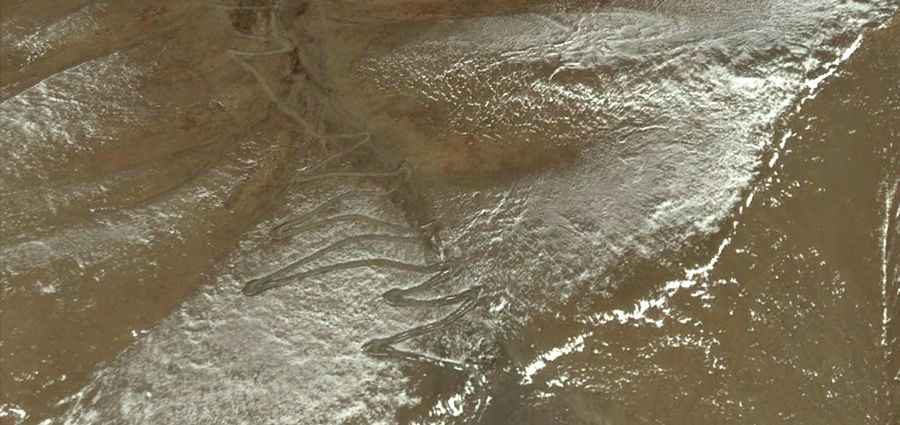
Tratsang La is an extreme high-altitude mountain pass at an elevation of 5,292 meters (17,362 ft) above sea level, located in Gyirong County, within the Tibet Autonomous Region of China. Traversed by the unpaved X260 road, this pass is a technical masterclass in mountain driving, linking the China National Highway 219 (G219) with the remote village of Dênggar. Climbing to nearly 5,300 meters on a dirt track is a high-load operation that tests the limits of any vehicle's cooling system and the driver's ability to manage 27 aggressive hairpin turns in an environment where oxygen is a scarce commodity.
| Road facts: Tratsang La (X260) | |
|---|---|
| Location | Gyirong County, Tibet, China |
| Elevation | 5,292m (17,362ft) |
| Length | 25.0 km (15.5 miles) |
| Hairpin Turns | 27 |
How difficult is the X260 road to Tratsang La?
The 25-kilometer journey from the G219 junction to Dênggar is an unrelenting vertical struggle. The X260 is entirely unpaved and features a surface of loose stones and fine Tibetan dust that offers minimal traction on the steepest sections. The physical reality of the climb is defined by 27 hairpin turns; these switchbacks are exceptionally tight, and many require a wide approach or a multi-point turn if you are driving a long-wheelbase 4x4. At 5,292 meters, the lack of oxygen means your engine will lose more than 40% of its torque, forcing you to rely on low-range gearing just to maintain momentum on the dusty ramps. Every meter gained requires absolute focus to prevent the wheels from spinning out on the crumbly inner radius of the curves.
What are the main hazards on the Gyirong County mountain track?
The primary hazard at Tratsang La is the combination of extreme altitude and the raw state of the unpaved ledge. The road has zero safety barriers, and the drops into the valley below are unprotected and steep. Weather in the Himalayas is notoriously unpredictable; a sudden snow squall can turn the dusty X260 into a slippery mud slide in minutes, even in mid-summer. "Hidden ice" is a frequent danger in the shaded turns of the 27 hairpins. Furthermore, the isolation is total; once you leave the National Highway 219, passing traffic is almost non-existent. If you suffer a mechanical failure or a puncture, the logistics of a recovery operation at 5,300 meters are an emergency situation where self-sufficiency is the only guarantee of survival.
Is the road to Tratsang La open year-round?
No. Due to its extreme summit altitude, accessibility is largely limited to the short summer season. Heavy snowfalls block the pass for most of the year, and there is no official snow-clearing service for this secondary county road. Even in the open months, the track is often damaged by mountain runoff and rockfalls, requiring a high-clearance 4WD vehicle to clear the debris. Always verify local conditions and check with traffic authorities in Gyirong before attempting the crossing, as the X260 can be closed anytime when access is not cleared or if the unpaved surface has been washed out by seasonal rains.
What mechanical prep is needed for the 5,292m Tibetan climb?
Before leaving the National Highway 219, verify that your 4WD system, transfer case, and air intake are in perfect order. The thin air at 5,292 meters requires a clean air filter to prevent the motor from suffocating under the high load of the 27 hairpins. Check your tire pressures and sidewall integrity; the sharp rocks of the X260 are expert at destroying road tires. On the long, unpaved descent toward Dênggar, use engine braking in low gear to hold the vehicle; relying on your brakes at this altitude will lead to fluid boiling and fade long before you reach the village. Carry at least 30 liters of extra fuel, a full-sized spare tire, and portable oxygen for all occupants to manage altitude sickness during the 25 km vertical struggle.
Road suggested by: Hugh Wilson