How dangerous is the unpaved X305 road to Thib Pass in Tibet?
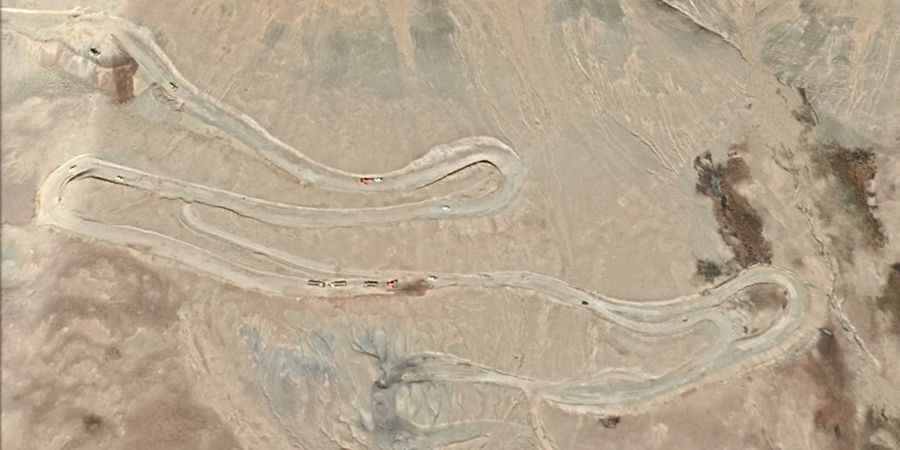
Thib Pass is an extreme high-mountain crossing reaching an elevation of 5,028m (16,496ft) above sea level, located on the boundary between Gonggar and Nagarzê counties in Tibet. This is not a tourist route; it is the 305 County Road (X305), a vital and brutal unpaved link that stays entirely above 3,500 meters. Driving here means battling a constant flow of heavy trucks on a narrow gravel track where the lack of oxygen and the pulverized road surface make every kilometer a mechanical struggle.
| Road facts: Thib Pass (X305) | |
|---|---|
| Location | Gonggar / Nagarzê, Tibet (China) |
| Elevation | 5,028 m (16,496 ft) |
| Length | 65.5 km (40.69 miles) |
| Surface | Unpaved / Heavy Dust / Gravel |
| Road Name | 305 County Road (X305) |
How long is the unpaved X305 road through Thib Pass?
The road stretches for 65.5 km (40.69 miles), running north-south from the village of Jiedexiuzhen to Quguzhongcun. This is a grueling trek through the southern edge of the Nyenchen Tanglha Mountains. Unlike other remote passes, the X305 is heavily used by local transport and industrial vehicles. This heavy traffic has pulverized the unpaved surface into a thick layer of fine silt and loose gravel. For over 65 kilometers, you will be driving through a world of gray dust where the ruts created by truck tires are deep enough to high-center a standard vehicle in seconds.
What are the main hazards for drivers on the Thib Pass?
The primary hazard on the X305 is the combination of heavy traffic and extreme altitude. Because the road is narrow and unpaved, meeting a large truck on the hairpins of the 5,028m ascent is a high-risk situation. There are no safety barriers, and the dust kicked up by other vehicles can reduce visibility to almost zero. The surface is often "washboarded" due to the weight of the trucks, creating violent vibrations that can rattle a vehicle’s suspension until it fails. If you lose your line in the dust, the soft, unprotected edges of the road will crumble under your tires, leading to a long drop down the steep, treeless slopes.
How does the 5,028m altitude affect your vehicle on the X305?
Reaching the summit of Thib Pass means driving at an elevation where oxygen is in short supply. Naturally aspirated engines will lose a massive amount of power, struggling to pull through the steeper sections of the 65.5 km route. This lack of air also affects the cooling system; with lower atmospheric pressure, your radiator can boil over much faster, even in the freezing Tibetan air. Managing your gears is vital to keep the engine from overheating while navigating the slow, truck-congested ramps. If your car dies near the 5,028m mark, you are in a remote sector where mechanical help is non-existent and the altitude will quickly take its toll on your body.
Is the road to Thib Pass dangerous in winter?
Between late autumn and early spring, the X305 is a lethal ice trap. At over 5,000 meters, the pass is exposed to extreme sub-zero temperatures and sudden blizzards that can bury the 65.5 km track in a matter of minutes. The heavy truck traffic makes the frozen gravel even more unpredictable, as the tires pack down the snow into a slick, polished surface. There are no repair shops or emergency services along this county road, so a simple mechanical issue during an Arctic storm can be fatal. If you are driving this route, you must be entirely self-sufficient, carrying extra fuel, water, and enough gear to survive the brutal conditions of the Nyenchen Tanglha range.