Driving the S305 through Aba La: The 5.190m high-altitude desert of Tibet
The S305 Provincial Road is a high-altitude highway stretching 413 kilometers (256 miles) across the Tibetan Plateau in the Nagqu region, Tibet Autonomous Region, China. Connecting the G109 and G318 national highways, the route crosses the Aba La pass at an elevation of 5,190 meters (17,027 ft) above sea level.
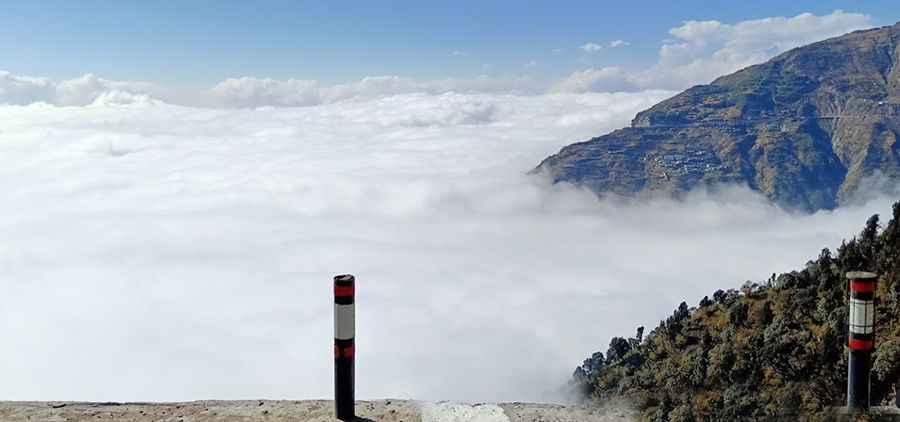
| Road facts: S305 & Aba La Pass | |
|---|---|
| Location | Nagqu, Tibet Autonomous Region (China) |
| Max Elevation | 5,190 m (17,027 ft) at Aba La |
| Length | 413 km (256.6 miles) |
| Road Number | S305 Provincial Road |
| Surface | Paved Asphalt |
Where is the S305 road across Aba La located?
The S305 runs through the Seni District in the Nagqu region of northern Tibet. It forms a paved connection across the high-altitude steppe between the G109 highway near Nagqu and the G318 highway to the south.
How does the altitude affect vehicles on Aba La?
The S305 stays consistently above 4,500 meters elevation, culminating at the 5,190-meter Aba La pass. At this altitude, atmospheric pressure drops significantly, causing a noticeable loss of engine power in naturally aspirated motors. Low oxygen levels force engines to work harder on long uphill gradients, increasing engine temperatures despite the cold ambient air.
What are the hazards on the S305 through Nagqu?
Strong crosswinds blow across the exposed plateau, impacting high-sided trucks and vans along straight stretches. Sudden blizzards and freezing temperatures occur year-round, turning paved sectors icy within minutes. Frost heaves in the permafrost layer create unexpected dips and cracks in the asphalt surface.
Is fuel and mechanical support available along the S305?
Fuel stations and repair services are extremely sparse along the 413-kilometer route between major highway junctions. Drivers must begin the transit with full tanks and verify vehicle cooling systems before crossing the 5,190-meter pass.
Road suggested by: Jorge Manuel Gómez Sánchez
Pic: suml singh