The extreme high-altitude 4x4 road to the emerald Lake Jiabucuo in Tibet
Lake Jiabucuo is a high mountain lake at an elevation of 5,248m (17,217ft) above sea level, located in the Tibet Autonomous Region. Situated in the heart of the Himalayas, this otherworldly drive takes you to one of the highest lakes on the planet, right along the border with India's Sikkim state.
| Road facts: Lake Jiabucuo | |
|---|---|
| Location | Gamba County, Tibet |
| Length | 29.9 km (from Dranglung) |
| Elevation Gain | 801 m |
| Max Elevation | 5,248 m (17,217 ft) |
| Surface | Unpaved (4x4 required) |
| Hazard Level | Extreme (Altitude & Remote) |
Where is Lake Jiabucuo located?
The lake is located southwest of Kampa (Gamba County), in the Shigatse Prefecture of Tibet. It sits in a very sensitive area near the Indian border, surrounded by some of the highest peaks of the Himalayas.
Is the road to Lake Jiabucuo paved?
No, the road to the lake is entirely unpaved. It is a rough mountain track that requires a high-clearance 4x4 vehicle. Driving on this loose surface at such extreme altitudes is a challenge for both the driver and the vehicle's engine.
How long is the drive to Lake Jiabucuo?
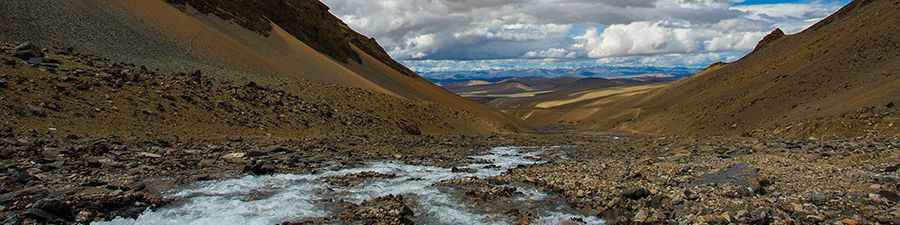
Starting from the settlement of Dranglung, the road is 29.9 km long. The route is a steady climb through a high-altitude desert landscape, offering incredible views of the surrounding glaciers.
What is the elevation gain of the Lake Jiabucuo road?
The drive from Dranglung involves an elevation gain of 801 meters. At these heights, the notorious absence of oxygen is a major factor, as the road reaches over 5,200 meters above sea level.
Is the road to Lake Jiabucuo open in winter?
The road is totally impassable during the winter months. Heavy snow and extreme weather conditions make the track dangerous and blocked for a large part of the year. It is only accessible during the short summer window.
Is driving to Lake Jiabucuo dangerous?
Yes, driving here is considered high-risk due to the extreme altitude and the remoteness of the area. There are no facilities or help nearby, and the thin air can cause Acute Mountain Sickness (AMS). Drivers must be fully self-sufficient and prepared for sudden changes in weather.
Pic: dy polo