How difficult is the extreme 246 km road to Karatagh La in Tibet?
Karatagh La is an extreme high-mountain pass reaching a staggering elevation of 5,473m (17,956ft) above sea level in the Aksai Chin region of Tibet. This is one of the highest and most isolated vehicle tracks on the planet. Connecting the tiny settlement of Oufu Jilega with the main China National Highway G219, the road is a 246-kilometer journey through a high-altitude desert where the silence is only broken by the struggle of your engine to find oxygen in the thin, freezing air.
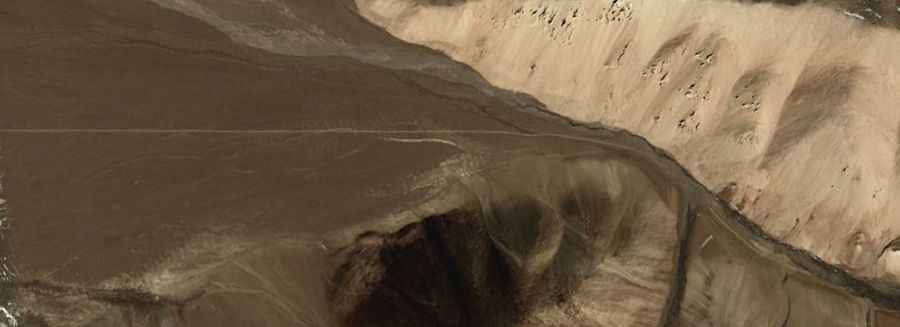
| Road facts: Karatagh La | |
|---|---|
| Location | Aksai Chin / Tibet, China |
| Elevation | 5,473 m (17,956 ft) |
| Length | 246 km (153 miles) |
| Surface | Unpaved / Silt / Loose Rocks |
| Access | Strictly restricted / Military Zone |
How long is the 246 km track over Karatagh La?
The road over Karatagh La is a massive 246 km (153 miles) unpaved trek that runs west to east, starting from the remote outpost of Oufu Jilega and ending at the G219 highway. This is not a day trip; it is a multi-day crossing through a barren wasteland where you won't find a single fuel pump or repair shop. The track is a mix of packed dirt, loose shale, and deep silt that can swallow a tire if you lose momentum. While the maximum gradient stays around 5%, the sheer length of the route at an average elevation of over 5,000 meters makes it a brutal endurance test for any 4x4 vehicle and its cooling system.
What are the road conditions on the Karatagh La pass?
The surface of Karatagh La is a primitive strip of earth that is constantly battered by extreme winds and permafrost. The road is unpaved and receives almost no maintenance, meaning you will face deep "calamina" (washboard) ripples that can vibrate every bolt loose in your car. Because it is located in a sensitive military border zone, the road is strictly closed to foreigners and remains one of the most restricted routes in Asia. A high-clearance 4x4 is mandatory, not just for the terrain, but to carry the massive amount of extra fuel and supplies needed to survive 246 kilometers of total isolation in the Tibetan wilderness.
Why is the 5,473m altitude a hazard on Karatagh La?
At 5,473 meters, you are driving at an altitude where humans cannot survive for long without acclimatization. For your vehicle, the thin air means a massive drop in power; even a modern turbo-diesel will feel choked, and naturally aspirated engines will struggle to climb even the 5% ramps. The boiling point of water is much lower here, so your radiator is at constant risk of boiling over despite the sub-zero temperatures. If you suffer a mechanical failure at the summit of Karatagh La, you are in a life-threatening situation where the extreme cold and lack of oxygen can lead to severe altitude sickness before help can ever reach such a remote coordinate.
Is the road to Karatagh La open in winter?
The pass is completely impassable during the winter months. Heavy snow and ice bury the 246 km track, and the temperatures in the Aksai Chin can drop to -40°C, making the diesel in your tanks freeze solid. The window for a successful crossing is extremely narrow, usually only during the peak summer months when the sun can melt the top layer of permafrost. Even then, sudden blizzards can hit the 5,473m summit at any time, turning the dry dirt into a lethal slurry of mud and slush. You must be prepared to be entirely self-sufficient, carrying enough food, water, and fuel to last for several days if the weather forces you to stop in the middle of nowhere.
Road suggested by: Jorge Manuel Gómez Sánchez