Driving the high-altitude 4x4 track through the Geghama Ridge in Armenia
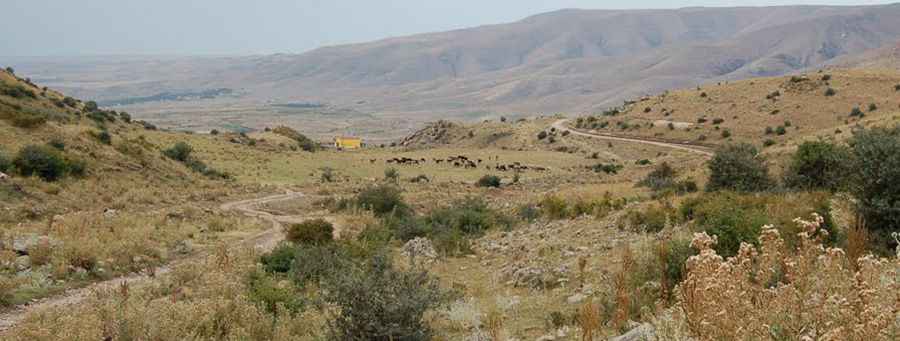
The traverse of the Geghama Ridge is one of the most demanding off-road expeditions in Armenia. This 41 km unpaved high-altitude trail connects the village of Geghard in Kotayk Province with Sarukhan in Gegharkunik, crossing two of the highest mountain roads of Armenia. It is a remote journey through a volcanic landscape of obsidian, alpine lakes, and absolute isolation.
| Road facts: Geghama Ridge Traverse | |
|---|---|
| Location | Kotayk, Ararat, and Gegharkunik Provinces, Armenia |
| Length | 41 km (25.4 miles) |
| Max Elevation | 3,262 m (10,702 ft) at Spitakasar |
| Surface | Totally unpaved (volcanic rock and grass) |
| Vehicle Required | High-clearance 4x4 with low range |
How challenging is the 4x4 road across the Geghama Ridge?
This trail is strictly for experienced off-roaders and is completely unsuitable for normal cars. The 41 km route follows the boundary between Kotayk and Ararat provinces, climbing onto the high volcanic plateau of the Geghama Mountains. The track is a mix of loose volcanic scree, sharp obsidian rocks, and steep grassy slopes that can become lethal when wet. Navigating this ridge requires a vehicle with serious ground clearance and a low-range transfer case to handle the continuous high-torque climbs and technical descents over unmaintained terrain.
The two major passes: Spitakasar and Vishapasar
The expedition is defined by two critical high-altitude crossings that test both the driver's focus and the vehicle's cooling system:
- Vishapasar Pass (2,890m): The first significant hurdle when approaching from the west. The ascent is steady but the track is often obscured by local grazing paths, requiring precise GPS navigation.
- Spitakasar Pass (3,262m): The highest point of the journey. Located in the central part of the range near the stunning Ajdahag volcano, the air is thin and engine performance will drop significantly. Near the summit, the small Ajdahag lake offers a dramatic backdrop, but the track here is extremely rugged and can be blocked by late-season snow patches even in mid-summer.
What are the primary hazards when driving in Geghama?
The main hazard is the extreme isolation and the total lack of support infrastructure. Once you commit to the ridge, there is no way out other than the track itself. Weather conditions change in minutes at 3,000 meters; a sudden storm can turn the volcanic dust into a slippery trap or bring in thick fog that makes the ridge line impossible to follow. The presence of large volcanic boulders on the track requires constant vigilance to avoid tearing out an oil pan or damaging a differential. Additionally, the high-altitude environment means that any mechanical failure becomes a survival situation, as mobile signal is non-existent in the deeper parts of the range.
Is the Geghama Ridge road open year-round?
No. This route is completely impassable during the winter months due to heavy snow accumulation and extreme sub-zero temperatures. The window for driving is short, typically from July to late September. Even in June, large snow banks often block the Spitakasar Pass, forcing drivers to turn back. Always check local conditions before starting, as a late spring can keep the high sections closed well into the summer season. Self-sufficiency is mandatory: carry extra fuel, a full-sized spare tire, and recovery gear like a winch or traction boards.
Why is this traverse a legendary Armenian route?
Crossing the Geghama Ridge from Geghard to Sarukhan is a journey into Armenia's geological heart. The road offers unparalleled views of the Lake Sevan basin and the surrounding volcanic cones. It is a logistical feat of endurance where mechanical sympathy is key; driving too fast on these sharp rocks will end your trip with multiple punctures. For those who respect the mountain and the mechanical limits of their 4x4, it remains one of the most rewarding and visually stunning high-altitude tracks in the Caucasus.
Pic: https://static.panoramio.com.storage.googleapis.com/photos/large/95642419.jpg