Off-Road Driving: 5 Technical Adventures to Master the Desert Sands
Operating a vehicle in the Arabian Desert requires a specific set of driving skills and a deep understanding of terrain dynamics. Beyond the urban infrastructure, the desert provides a challenging environment where the transition from paved roads to shifting dunes demands precision and specialized equipment. Whether utilizing all-terrain vehicles (ATVs) or high-performance buggies, mastering off-road maneuvers is essential for any driving enthusiast. This guide analyzes five technical ways to experience the desert, focusing on the mechanical handling and logistical preparation required for safe and efficient exploration of these high-risk environments.
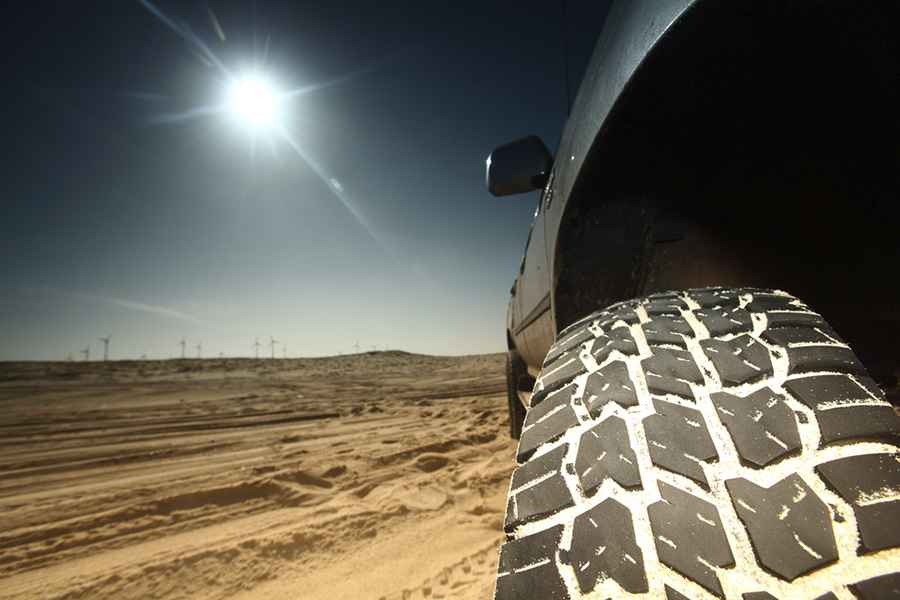
| Desert Off-Road Logistics & Safety Audit | |
|---|---|
| Vehicle Type | ATV, Dune Buggy, or 4x4 Support Vehicles |
| Terrain Dynamics | Loose sand dunes, gravel trails, and rocky wadis |
| Safety Protocols | Mandatory helmets, roll cages, and GPS tracking |
| Operational Windows | Early morning or late afternoon for thermal management |
1. Technical ATV Driving and Quad Biking
Quad biking is a foundational off-road activity that tests a driver's ability to manage weight distribution and throttle control on loose surfaces. All-terrain vehicles (ATVs) are engineered to navigate steep inclines and sharp descents where standard roads do not exist. Professional operation requires constant situational awareness and the use of protective gear, including helmets and goggles, to mitigate the risks of high-speed desert transit. Understanding the mechanical limits of the ATV is crucial for avoiding rollovers on soft sand ridges.
2. High-Performance Dune Buggy Maneuvers
For those prioritizing structural safety and high-torque performance, dune buggies offer a superior off-road experience. Equipped with integrated roll cages, long-travel suspension, and wide-profile tires, these machines allow for aggressive carving through complex dune systems. Unlike standard vehicles, buggies are designed for high-impact absorption. Success on these unpaved roads depends on maintaining momentum and choosing the correct line to avoid becoming bogged down in soft "fech-fech" sand pockets.
3. Aerial Surveillance: High-Altitude Desert Observation
Understanding the vast topography of the desert is often best achieved through high-altitude observation. Drifting across the sandscapes in a hot air balloon provides a strategic view of the terrain that is impossible to gain from the ground. This perspective allows for the identification of wildlife patterns and geological formations that define the region. Logistically, these operations take place during the early morning hours when atmospheric conditions are most stable, ensuring a secure flight and a controlled landing far from urban roads.
4. Traditional Logistics: The Role of Falconry
Falconry represents a historical pillar of desert logistics and survival. Witnessing the bond between the trainer and the raptor offers insight into ancient methods of tracking and hunting in the dunes. While it is now a cultural display, the technical training of these birds remains a rigorous discipline. Many professional expeditions include these displays to provide a comprehensive understanding of the environmental history of the Arabian Desert, highlighting the resilience required to thrive in such an arid climate.
5. Sandboarding: Gravity-Based Terrain Navigation
Sandboarding is a specialized form of terrain navigation that utilizes the steep gradients of the dunes. It requires balance and an understanding of sand friction, which differs significantly from snow-based environments. This activity is often used as a physical training exercise for off-roaders to better understand the angle of repose of the dunes. Safe operation involves choosing dunes with clear run-out zones away from vehicle roads to ensure a soft landing and minimize the risk of injury during the descent.
Conclusion
Mastering the desert requires a combination of technical driving skill, mechanical reliability, and cultural awareness. By auditing your vehicle’s performance and adhering to strict safety protocols, you can navigate the transition from paved roads to the unpredictable dunes with confidence. The desert is a high-risk environment that rewards preparation and precision. Verify your equipment, monitor the weather conditions, and focus on the road. Technical excellence in every maneuver is the key to a successful and secure off-road journey.
Image credit: Depositphotos