Aquatic Logistics: Operating High-Speed Jet Cars in Dubai
Dubai has expanded its transport and leisure logistics from the road to the water with the introduction of jet cars. These high-speed watercraft combine the hull design of a sports car with the propulsion system of a jet ski. Operating these vehicles requires an understanding of aquatic navigation, engine cooling in saltwater, and speed management. This guide analyzes the technical aspects and safety protocols necessary for handling these high-tech watercraft in the Arabian Gulf.
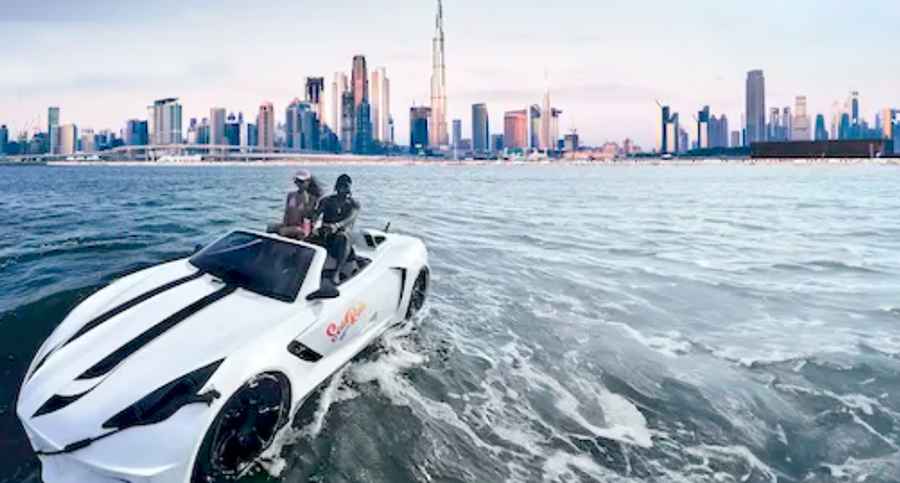
| Jet Car Technical Specs & Logistics | |
|---|---|
| Propulsion System | High-output water jet propulsion |
| Navigation Environment | Coastal waters (Open sea with controlled speed zones) |
| Safety Equipment | Life jackets, kill-switch lanyards, and GPS tracking |
| Control Layout | Steering wheel with foot-operated or steering-mounted throttle |
1. Understanding the Controls and Propulsion
Unlike a standard car, a jet car moves by expelling a high-pressure stream of water. Before starting the engine, it is vital to understand the steering and throttle relationship; without throttle, you have limited steering control. Professional instructors provide a technical briefing on how the braking system (reverse thrust) works and how to manage the vehicle’s balance at high speeds. Familiarizing yourself with these controls in an open-water zone is essential for safe operation.
2. Monitoring Water Conditions and Marine Logistics
The state of the water is the most critical logistical factor for a safe trip. High winds and wave heights can affect the stability of the jet car, increasing the risk of capsizing or mechanical stress on the hull. Before setting out, operators must check weather reports and be aware of tides and currents. It is important to avoid shallow areas or underwater hazards that can damage the jet intake, which is the heart of the vehicle’s propulsion system.
3. Professional Safety Protocols
Safety on the water is non-negotiable. Every operator must wear a certified life jacket and use the emergency kill-switch lanyard, which stops the engine immediately if the driver leaves the seat. Maintaining a safe distance from other watercraft, swimmers, and the shoreline is mandatory under local maritime laws. Professional rental services in Dubai also use GPS tracking to monitor the location of the fleet and ensure that vehicles do not enter restricted commercial shipping lanes.
4. Visual Navigation and Skyline Logistics
Navigating the Dubai coastline provides a unique logistical perspective of the city's architectural development. While driving, it is important to stay focused on the "road" (the water path) while maintaining situational awareness of other boaters. Landmarks like the Burj Al Arab or the Palm Jumeirah serve as excellent visual navigation points. Responsible riding includes following the marked channels and respecting the speed limits set by the maritime authorities to protect both the environment and other water enthusiasts.
Conclusion: Mastering the Water Surface
Operating a jet car in Dubai is a professional adventure that requires a blend of driving skill and maritime knowledge. By understanding the jet propulsion system, monitoring the water conditions, and following strict safety protocols, you turn a high-speed thrill into a well-managed aquatic mission. Respect the power of the vehicle and the unpredictability of the sea. Proper preparation is the key to a memorable and safe experience on the waves.