What are the most spectacular roads on the Arabian Peninsula?
The Arabian Peninsula is located in the continent of Asia. It comprises Bahrain, Kuwait, Oman, Qatar, Saudi Arabia, the United Arab Emirates (UAE) and Yemen. Covering an area of 3,237,500 km2 (1,250,000 sq mi), it’s the largest peninsula in the world, comparable in size to India. The peninsula is known worldwide due to its desertic landscape, with vast stretches of sand dunes and rocky plateaus.
Due to its geography, the peninsula hosts countless spectacular roads, running through the desert or mountains. When travelling to the Arabian Peninsula, don’t forget to drive the Jebel Hafeet Mountain Road, a cool drive in the desert with more than 60 turns, located on the outskirts of Al Ain, in the United Arab Emirates (UAE). Highway 85, one of the longest straight roads in the world, with 822 km (510 miles) of straightness close to the border with Jordan. And the defiant Al Baha's 25 Tunnels, a winding zig-zag road located in the southwestern part of Saudi Arabia, with 25 tunnels at different lengths and elevations.

5 Tips To Rent a Luxury Car in Dubai
Dubai is a global hub for high-performance vehicles, offering a road infrastructure designed for speed and precision. However, renting a luxury or supercar in the UAE requires more than just a booking; it involves a professional understanding of vehicle logistics, insurance limits, and mechanical sensitivity. These cars often have specific operating requirements that differ from standard rentals. This guide analyzes the essential factors to consider when managing a high-end vehicle for your urban expedition in Dubai.

Car Rental Logistics: Autonomy and Movement on Dubai’s Roads
Dubai is a major economic hub and one of the most developed cities in the United Arab Emirates. For any visitor or new resident, understanding how to move through its massive urban grid is a priority. While the public transport system is modern, renting a car remains the most efficient way to maintain autonomy and handle long-distance logistics between the Emirates. This guide explains the practical purpose of car rentals and how they help you navigate the high-speed road networks of the region.

Why the National Auto Museum is a must-stop on Abu Dhabi roads?
If you are driving between Dubai and Abu Dhabi, you’ll find some of the smoothest and fastest roads in the world. But beyond the skyscrapers and the luxury hotels, the desert hides a pyramid full of mechanical madness. The Emirates National Auto Museum isn't just a "collection"; it’s a garage where the rules of engineering were tossed out the window to build the biggest, weirdest trucks on the planet. If you like engines and massive tires, this is your place.
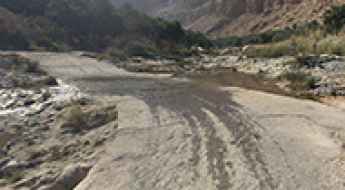
A slippery dangerous road to Wadi Mibam
Mibam, nestled in Oman's Ash Sharqiyah North Governorate, captivates with lush greenery, turquoise pools, and a stunning waterfall. This popular wadi, set in the Dakhiliyah region, promises a scenic 9.1 km drive from Tiwi, offering an adventurous journey to this scenic oasis.

Driving in Dubai: Technical Logistics of the Sheikh Zayed Road and Palm Jumeirah
Navigating Dubai’s urban infrastructure requires a technical understanding of high-capacity arterial corridors and advanced electronic tolling systems. In less than four decades, the emirate has transitioned from a coastal settlement into a hyper-modern logistical hub where the E11 highway (Sheikh Zayed Road) serves as the primary multi-lane spine. Operating a vehicle here demands strict adherence to automated speed enforcement and thermal management protocols for high-performance engines.
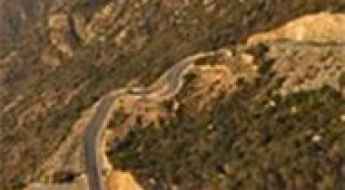
Road to Altuwair: Navigating the 9.57% Gradient in the Asir Mountains
Altuwair is a high mountain settlement at an elevation of 2,618 meters (8,589 ft) above sea level in the Asir Region of southwestern Saudi Arabia. The paved climb through the Asir Mountains links the lowland village of Abs with the high ridge via Route 2212 and Route 3525 (Al-Namas Road).
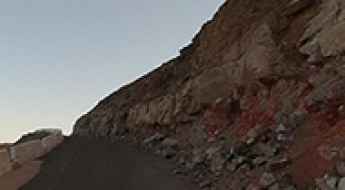
Conquering Harrat Uwayrid, The Toughest Kilometer in Professional Cycling
Harrat Uwayrid is a mountain pass at an elevation of 1,226m (4,022ft) above sea level, located in AlUla, Al Madinah Province of Saudi Arabia.
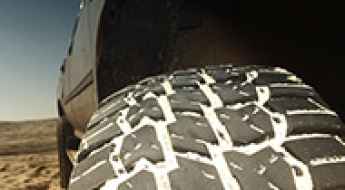
Off-Road Driving: 5 Technical Adventures to Master the Desert Sands
Operating a vehicle in the Arabian Desert requires a specific set of driving skills and a deep understanding of terrain dynamics. Beyond the urban infrastructure, the desert provides a challenging environment where the transition from paved roads to shifting dunes demands precision and specialized equipment. Whether utilizing all-terrain vehicles (ATVs) or high-performance buggies, mastering off-road maneuvers is essential for any driving enthusiast. This guide analyzes five technical ways to experience the desert, focusing on the mechanical handling and logistical preparation required for safe and efficient exploration of these high-risk environments.
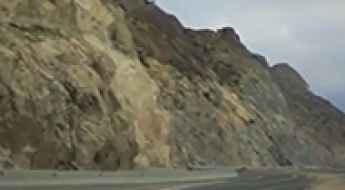
Mohammediyah Mountain Road: The steep alternative to Al-Hada in Saudi Arabia
Located in the Makkah Province of western Saudi Arabia, the Mohammediyah Mountain Road is a breathtaking and demanding drive through the Sarawat Mountains. Reaching an elevation of 2,250m (7,381ft) above sea level, this route is famous for its stunning views of the Red Sea coast and its role as a vital, yet lonely, alternative to the often-congested Al-Hada highway.