Driving the wild and unpaved road to Bagak Pass
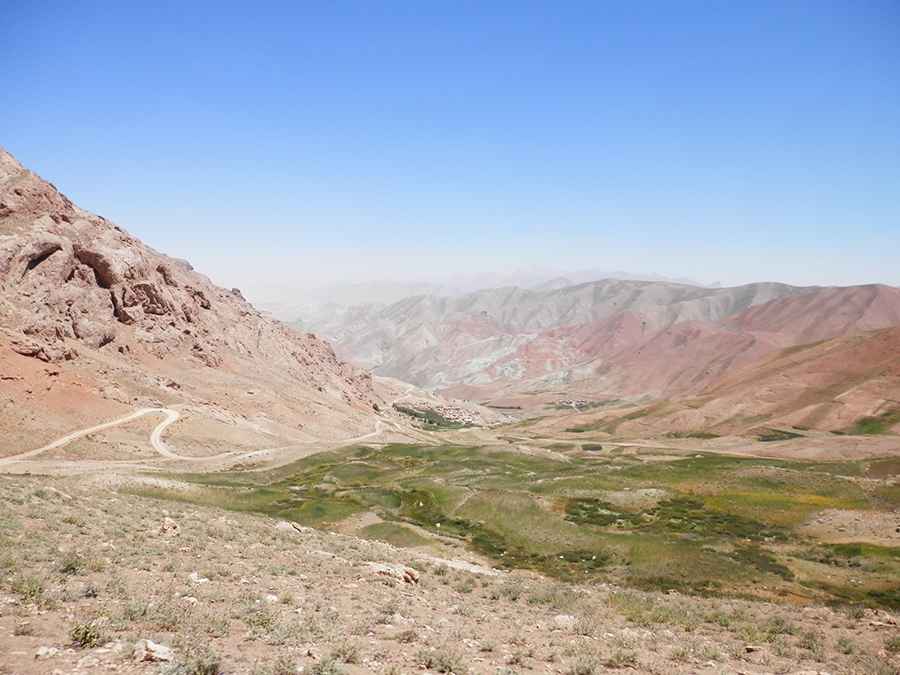
Kotal-e Bagak, popularly known as Bagak Pass, is a high-altitude mountain crossing reaching 3,516 meters in the Bamyan Province of central Afghanistan. This is a raw, high-desert track that cuts through the heart of the Bande Pitaw region, offering a drive that is as spectacular as it is brutal. It is a world of crumbling rock and vertical drop-offs where the road is barely a scratch on the side of the mountains. Driving here requires more than just a 4x4; it requires a vehicle in perfect mechanical condition and a driver who can handle hundreds of hairpins in one of the most remote and isolated areas of the Hindu Kush.
| Road facts: Bagak Pass | |
|---|---|
| Location | Bamyan Province, Afghanistan |
| Elevation | 3,516m (11,535ft) |
| Length | 25 km (15.5 miles) |
| Surface | Unpaved / Gravel |
Where is the road to Bagak Pass located?
The pass is situated in the northwestern part of Bamyan, within the high plains that overlook the Darah-ye Nayak valley. This is a region defined by high-altitude wildlife refuges and jagged, treeless peaks. The 25-kilometer track runs west to east, starting near Sarjangal and winding its way toward the A77 road south of Zarin. The isolation here is absolute; once you enter the pass, you are hours away from any form of assistance. The landscape is a stark, mineral desert where the thin air at 3,516 meters makes every breath a struggle and every gear change a necessity to keep the engine from stalling on the steep, rocky inclines.
What is the driving surface like on Bagak Pass?
The road through Bagak Pass is completely unpaved and in a constant state of decay. It is a mix of loose gravel, deep potholes, and sections where the mountain is slowly reclaiming the track. The route is famous for its hundreds of curves, many of them extremely tight hairpin turns that require precise steering to avoid the "dangerous drop-offs" that line the edge of the path. There are no guardrails here; only the skill of the driver keeps the wheels on the narrow, unstable track. In the steeper sections, the ground is often composed of soft, shifting silt that can swallow tires and kill momentum, making a high-clearance 4WD with a low-range gearbox a mandatory requirement.
What are the main hazards when driving Bagak Pass?
Beyond the obvious technical difficulty of the road, the primary hazards are the extreme isolation and the total lack of services. At nearly 3,600 meters, your engine will lose about 35% of its power, which is a major issue when navigating the steep, hairpin-filled eastern ascent. The area lacks any access to fuel or medical facilities, meaning any mechanical failure or minor accident becomes a life-threatening situation. Night-time driving is out of the question due to the impossible terrain and the risk of getting lost in the labyrinth of side tracks. Furthermore, the ground is prone to landslides after sudden mountain storms, which can leave you trapped between two blocked sections of the road with no way to turn around.
What mechanical prep is needed for the Bagak Pass crossing?
Before attempting Bagak, your vehicle must undergo a full suspension and cooling system check. The constant vibration from the washboard surface and the deep potholes will destroy weak shocks and bushings within the first 10 kilometers. Because of the altitude and the slow-speed, high-torque crawl, your radiator will be under massive stress; ensure your cooling fan is working perfectly. On the long descents toward the A77, rely on engine braking to hold the car back; if you ride the brakes on these loose slopes, they will smoke and fail long before you reach the valley floor. Carry at least two full-sized spare tires, extra fuel, and plenty of water, as the dry Andean-like climate of Bamyan will dehydrate both the driver and the radiator faster than you expect.
Road suggested by: Hugh Wilson
Pic: Hasan Malistani