Driving the Kotal-e Shatu in Bamyan: A 11,000ft high-altitude dirt climb
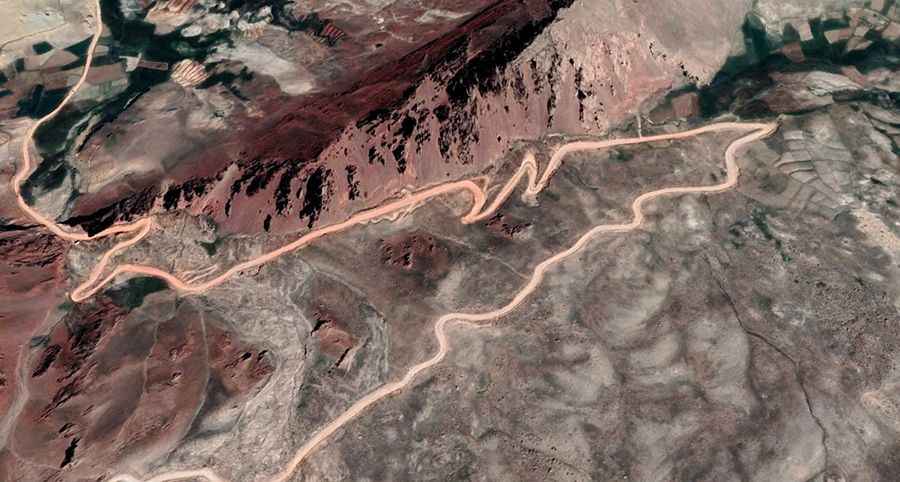
Located in the heart of the Bamyan Province, Kotal-e Shatu is a high mountain pass that separates the adventurous from the reckless. Reaching an elevation of 3,405m (11,171ft) above sea level, this 63.2 km (39.27 miles) transit between Panjab and Yakawlang is a raw, unpaved journey through the rugged core of central Afghanistan. It is a route where the landscape is as unforgiving as the mechanical stress it puts on your vehicle.
| Road facts: Kotal-e Shatu | |
|---|---|
| Location | Bamyan Province, Afghanistan |
| Elevation | 3,405 m (11,171 ft) |
| Length | 63.2 km (39.2 miles) |
| Max Gradient | 14% |
| Surface | Unpaved (Gravel and Dirt) |
How difficult is the drive to Shatu Pass?
The road to the summit is a grueling 4x4 track characterized by steep ramps and narrow passages through towering red rock formations. Technically, the most challenging sections hit a 14% maximum gradient, demanding a engine in top condition to handle the thin air and sustained torque requirements. The surface is a mix of loose shale and hard-packed dirt that becomes a nightmare during the spring thaw or after a sudden mountain storm. Driving this road requires a high-clearance vehicle and a driver who knows how to pick lines through the rocky debris that frequently litters the track.
What are the hazards of the Yakawlang-Panjab route?
Beyond the technical climb, the sheer isolation of the Shatu Pass is its biggest hazard. This is a region where the road is carved into the side of the mountain with zero safety barriers. The dramatic red cliffs and deep canyons provide stunning visuals, but they also mean that a single mechanical failure—like a snapped tie rod or a blown cooling hose—can turn into a life-threatening situation. There are no repair shops or emergency services out here; you must be self-sufficient and carry enough recovery gear to extract yourself from deep ruts or washouts.
Is the road to Kotal-e Shatu open year-round?
Due to its extreme altitude, the pass is heavily impacted by seasonal weather. Snow often closes the route for several months during the winter, and even in late spring, the upper sections can remain impassable. The security situation in Afghanistan adds another layer of risk, making it essential to gather local intelligence before attempting the transit. If you take on Shatu, do not travel alone; a two-vehicle convoy is the professional standard for high-consequence routes in central Bamyan. Check your brakes and cooling system before the ascent, as the descent back down to the valley floor is a relentless test of thermal management.
Road suggested by: Hugh Wilson