Kōtal-e Darah-ye Rāst: Driving the 14.5% Grade in Afghanistan
Reaching an elevation of 4,188m (13,740ft) above sea level, Kōtal-e Darah-ye Rāst is a high mountain pass situated on the border of Kabul and Parwan Provinces in Afghanistan. It stands as one of the highest roads in the country, crossing the rugged Hindu Kush mountain range.
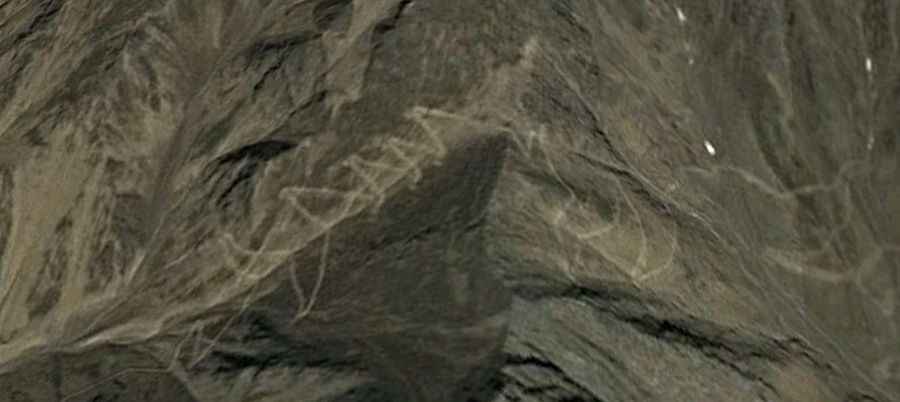
| Road facts: Kōtal-e Darah-ye Rāst | |
|---|---|
| Location | Kabul / Parwan border, Afghanistan |
| Elevation | 4,188 m (13,740 ft) |
| Length | 12 km (7.4 miles) |
| Elevation Gain | 1,745 meters |
| Avg / Max Gradient | 14.54% / 20% |
How is the ascent to Kōtal-e Darah-ye Rāst?
The drive starts in Paghman, a town in the hills near Kabul. The ascent is 12 km long and is strictly for high-clearance 4x4 vehicles. This is one of the most grueling climbs in the region, featuring a massive elevation gain of 1,745 meters. The track is entirely unpaved, consisting of loose shale and high-altitude scree. The average gradient is 14.54%, but several ramps hit 20%, requiring low-range gearing and constant momentum to avoid losing traction on the loose surface.
Is the pass accessible year-round?
No. Due to its extreme altitude of 4,188 meters, the pass is blocked by heavy snow and ice for most of the year. Accessibility is strictly limited to the summer months, typically between late June and early September. Even in summer, sudden blizzards can occur, and the track remains dangerously slick. Night driving is not recommended due to the total lack of lighting, the risk of rockfalls, and the precision required to navigate the narrow shelf sections of the road.
What are the main hazards on the Paghman route?
The primary hazards are extreme altitude, steep drops, and total isolation. At over 4,000 meters, engines lose approximately 40% of their power, which, combined with 20% ramps, puts immense stress on the cooling system. The road is narrow and lacks any form of safety barriers. Additionally, the regional security situation remains volatile; drivers must be aware of the risk of conflict and crime in remote areas. There is no infrastructure, fuel, or medical aid available along the 12 km stretch, making self-sufficiency mandatory.
Logistical and Technical Preparation
Before attempting Kōtal-e Darah-ye Rāst, ensure your vehicle is in peak mechanical condition. Carry extra fuel and multiple spare tires, as the sharp rocks are notorious for causing punctures. Due to the thin air and extreme grades, use low-range gears exclusively for both the climb and the descent to manage speed and protect the brakes from overheating. It is highly recommended to travel in a multi-vehicle convoy and carry satellite communication equipment, as mobile coverage is non-existent on the pass.
Road suggested by: Hugh Wilson