Driving the AH77 in Ghor: Kotal-e Lashkar Rah and the high passes of Central Afghanistan
If you want to know where the asphalt ends and mechanical torture begins, the AH77 in central Afghanistan is the place. This 115 km stretch through Ghor Province, between Chaghcharān and Lal wa Sarjangal, is a gauntlet of dust, high-altitude passes, and sharp rocks that tests every weld on your rig. Forget the "Asian Highway" designation; this is a raw dirt track where heavy trucks and local vans have carved ruts deep enough to rip the oil pan right off your chassis if you don't have enough ground clearance.
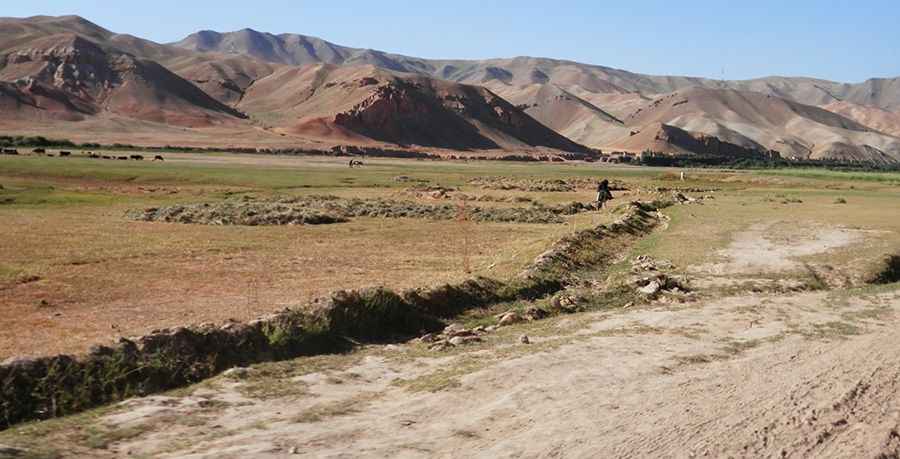
| Road facts: AH77 Ghor Sector | |
|---|---|
| Location | Ghor Province, Central Afghanistan |
| Length | 115 km (71.4 miles) |
| Highest Point | 2,934 m (Kotal-e Lashkar Rah) |
| Major Passes | Lashkar Rah, Torbulak, Munara, Garmabeh-ye Bala |
| Hazard Level | Extreme Isolation & Underbody Damage |
How to drive the Kotal-e Lashkar Rah pass?
At 2,934 meters (9,625ft), Kotal-e Lashkar Rah is the absolute summit of this journey. The climb follows the southern bank of the Hari River, but the surface is treacherous: a mix of native soil and loose gravel that turns into a slippery soap-like mud when it rains. There are no guardrails here to catch you if you slide toward the edge. You need to keep a constant eye on the engine temperature; the high altitude starves the motor of oxygen, and if you are heavily loaded, the radiator will be working overtime. Don't risk your drivetrain: use low gears and keep the engine humming without overcooking it.
What makes Pereval Torbulak and Garmabeh-ye Bala a technical challenge?
Further along the AH77, the road hits a series of punishing ridges. Pereval Torbulak, at 2,885 meters (9,465ft), and Garmabeh-ye Bala Gardan-e, at 2,860 meters (9,383ft), are where the track turns into a suspension-killer. While the lower sections are about traction, these higher passes are about hard, jagged rock. The terrain here is much more broken, with sharp stones that seem specifically designed to slash tire sidewalls. Driving here is a constant workout for your shocks; your suspension won't stop for a second, and it is easy to end up with a bent control arm if you carry too much speed. If you hear a metallic "clunk," stop immediately—there are no workshops coming to save you here.
Is Pereval Munara safe for heavy 4x4 vehicles?
The Pereval Munara pass, at 2,535 meters (8,316ft), might seem easier because it's lower, but this is where the track gets narrow and highly technical. The ruts from local commercial trucks here are so deep that if you don't pick your lines carefully, you will end up "high-centered" with your differential dragging on the ground and your wheels spinning in the air. This sector is a busy lifeline for local vans hauling everything imaginable, and meeting one in the narrowest sections forces you to reverse on a ledge until you find a spot wide enough for both to squeeze past.
How to prepare the vehicle for the AH77 isolation?
In these 115 km, you won't find a single light bulb or a drop of fuel that hasn't come out of a dirty barrel. Carrying two full-sized spare wheels is a survival requirement, not an option. Before leaving Chaghcharān, check for any oil leaks and make sure your chassis bolts are tight; the constant vibration of the unpaved AH77 roadbed has a habit of loosening even the bolts you thought were permanent. If you break down here, you are alone with your tools and your ability to fix the iron yourself.
Pic: Hasan Malistani