Why Are Some Georgia Roads Becoming Accident Hotspots Even Without Major Traffic Growth?
Some Georgia roads are becoming accident hotspots not because more vehicles are using them, but because existing road conditions, driver behavior, and outdated infrastructure are creating greater risks.
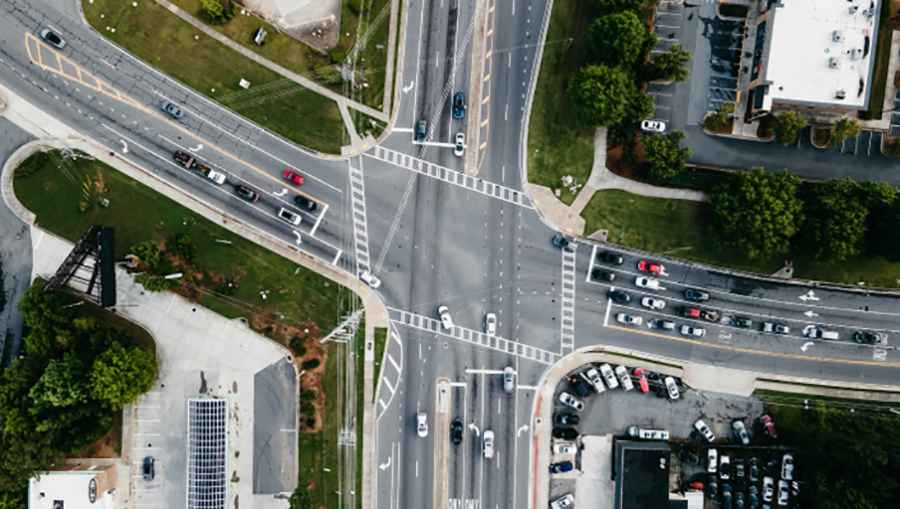
Poor visibility, confusing intersections, inadequate lighting, and inconsistent road maintenance can turn ordinary journeys into dangerous situations. Looking at the most car crashes reported on certain roads can reveal patterns that traffic growth alone cannot explain.
Sharp curves, limited warning signs, narrow shoulders, and poorly timed traffic signals may all contribute to recurring collisions. When these hazards combine with distracted driving, speeding, or unpredictable weather, even familiar routes can become dangerous for motorists.
Let’s have a deeper look at this!
Why Roads Become Crash Hotspots
Road Design
Poor road design can increase crash risks when drivers have limited visibility, little room to react, or confusing traffic movements. Sharp curves, poorly designed intersections, short merging lanes, and narrow roads can make it harder to avoid sudden hazards.
Weather and lighting can make these conditions more dangerous. Rain reduces tire traction and increases stopping distances, while poor lighting and faded road markings make it harder to spot pedestrians, cyclists, and other vehicles. Rural roads may also have narrow shoulders and unlit stretches that increase collision risks.
Driver Behavior
Road design is only part of the picture. Speed, distraction, fatigue, and impairment can turn a manageable hazard into a crash. Georgia recorded 1,403 traffic deaths in 2024, according to the Governor’s Office of Highway Safety.
Georgia law addresses two common risks:
- Speed:C.G.A. § 40-6-180 says drivers must not travel faster than is “reasonable and prudent” for conditions. It covers curves, intersections, narrow roads, and weather.
- Phone use: Under O.C.G.A. § 40-6-241, drivers generally may not hold a phone or read or send text messages while driving. This is part of the Hands-Free Georgia Act.
A driver approaching a wet curve should slow down even if the posted limit seems safe. Near an intersection, motorists should put phones away and watch for vehicles entering from side streets.
How to Identify a Dangerous Road
Crash data can reveal repeating problems. The Georgia Department of Transportation’s dashboard lets users filter incidents by county, location, and crash type. Look for patterns, not one collision.
Warning signs include:
- Several rear-end crashes near one signal.
- Repeated run-off-road crashes along a curve.
- Pedestrian crashes near bus stops or missing sidewalks.
- Side-impact collisions at a junction with poor sight lines.
What Can Make These Roads Safer?
A junction with frequent side impacts may need signal changes, clearer signs, or a roundabout review. A curve with repeated roadway-departure crashes may need better markings, warning signs, lighting, or a safer shoulder.
Agencies can review speed limits, drainage, pavement, and driveway access. Residents can report faded markings, blocked signs, broken signals, and potholes to the road agency.
Frequently Asked Questions
Can a Road Be Dangerous if Traffic Stays the Same?
Yes. Poor design, changing road conditions, higher speeds, or distracted driving can raise crash risk even when traffic volume stays steady.
Who Investigates a Georgia Road’s Crash History?
GDOT maintains statewide crash records and crash-data tools. Local police may also hold reports for crashes in their areas.
Does the Posted Speed Limit Always Make a Road Safe?
No. Georgia’s basic speed law requires drivers to adjust speed for weather, visibility, curves, intersections, and other hazards.
Key Takeaways
- Crash hotspots do not always need rising traffic counts.
- Poor lighting, sharp curves, and unsafe intersections can cause repeat collisions.
- Speeding and phone distraction increase danger.
- Georgia recorded 1,403 traffic deaths in 2024.
- C.G.A. §§ 40-6-180 and 40-6-241 set key safe-driving rules.
- Crash patterns help agencies choose road improvements.
- Drivers should adjust speed and attention to actual conditions.