Planning a US Mountain Road Trip with AI: Smarter Prep for Challenging Drives
America's most thrilling roads aren't the interstates. They're the cliff-hugging passes of Colorado, the switchbacks of Utah's canyon country and the high-altitude byways that close for half the year under snow.
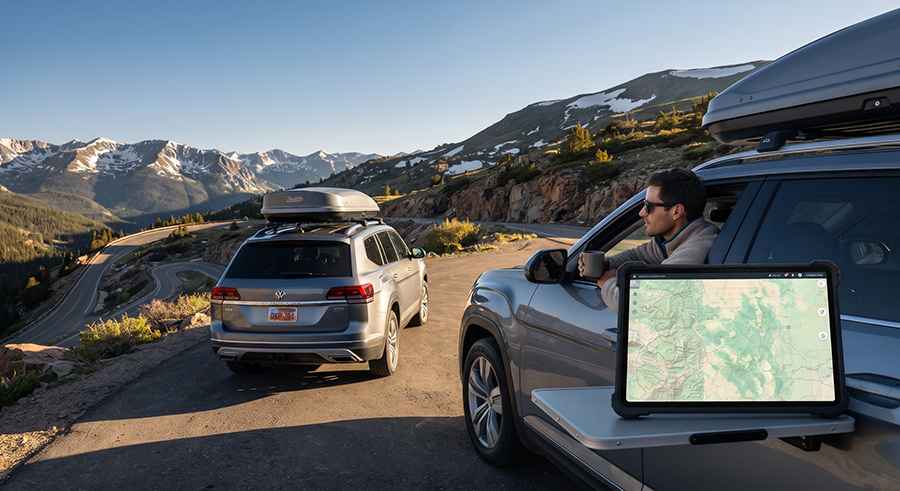
Driving them takes skill, but it also takes preparation. More travelers now use AI assistants for that groundwork, and when they're used wisely, they can save you hours of research.
What AI Can Do for Your Route Planning
An AI chatbot is a useful co-pilot before you turn the key. You can ask it to compare two routes over the Rockies, estimate daily driving times, suggest overnight stops near a mountain pass or build a packing list for high-altitude conditions. It can also explain the jargon you'll find in road reports, such as what a "dugway" is, what "high clearance recommended" really means, or how a pigtail bridge works.
It's especially helpful for structuring a multi-day trip. Give it your start point, your vehicle type and how many hours you're comfortable behind the wheel, and it can draft an itinerary you can then refine.
Questions Worth Asking Before You Go
The best results come from specific prompts. Instead of asking for "a scenic drive in Colorado," try something like: "Which high mountain passes near Ouray are suitable for a stock SUV in late September, and which require 4x4?" Other useful questions include typical opening and closing dates for seasonal roads, where fuel stations thin out, which stretches lack cell coverage and what to do if you meet oncoming traffic on a single-lane shelf road.
Keep Your Travel Plans Private
Road-trip planning reveals more than you might think. Your prompts can include your home address, travel dates, when your house will be empty, the vehicle you drive and exactly where you'll be on a remote road with no signal. Many mainstream AI tools store conversations and may use them to train future models unless you opt out.
If that bothers you, it's worth choosing an assistant built with privacy in mind. Travelers who want a Gemini alternative can look for tools that don't log chats, don't use conversations for AI training and encrypt saved history so only the user can read it. Whichever tool you use, avoid sharing exact addresses or full travel dates when a general description will do.
Always Verify Before You Drive
AI is a starting point, not the final word. Models can be out of date, misjudge road surfaces or confuse two routes with similar names. On roads where a mistake has real consequences, cross-check everything with official sources: state DOT road condition pages, National Park Service alerts, Forest Service offices and recent reports from drivers who've done the route.
Take the Million Dollar Highway in Colorado. It's paved and open to regular cars, but it has steep drop-offs and few guardrails, and conditions can change quickly with weather. An AI summary can tell you that. Only current local information can tell you whether today is a good day to drive it.
The Bottom Line
Used well, AI can turn a pile of browser tabs into a clear plan for your next mountain adventure. Ask detailed questions, protect your personal information and confirm the critical details with official sources. Then keep your eyes on the road and let your passenger enjoy the view.