What Happens If Cargo Falls From a Truck and Causes a Houston Highway Accident?
When cargo falls from a truck and causes a highway accident in Houston, the driver, trucking company, cargo loader, or another responsible party may face legal liability, depending on how the load became unsecured.
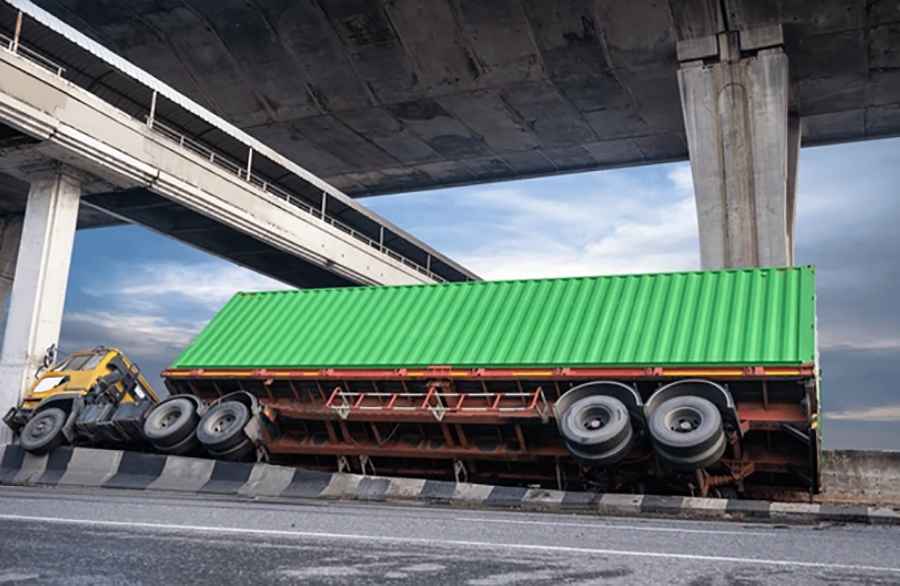
Falling debris can force drivers to swerve, trigger sudden braking, or cause direct collisions. Investigators examine how the cargo was loaded, secured, and transported to determine what went wrong and who may be responsible for the resulting injuries and damage.
Houston has a busy network of highways, including major routes used by commercial trucks to move goods across Texas. Heavy traffic and high speeds can make falling cargo particularly dangerous, leaving nearby drivers with little time to react. When a crash happens, a truck accident law firm may help injured people understand their options and identify the evidence needed to support a claim.
Why Cargo Falls From Trucks
Cargo can fall when a load is not properly secured or when equipment fails during transport. Federal regulations require commercial drivers and carriers to follow cargo-securement rules, but violations can still occur.
Common causes include:
- Improperly secured loads: Straps, chains, tie-downs, or other restraints may be insufficient or incorrectly positioned.
- Overloaded trailers: Cargo that exceeds safe weight limits can affect vehicle stability and make loads harder to secure.
- Poor weight distribution: Unevenly distributed cargo may shift during turns, braking, or sudden changes in speed.
- Damaged securing equipment: Worn straps, broken fasteners, or faulty restraints can fail while a truck is moving.
- Inadequate inspections: A failure to check the load before departure or during a trip can allow a dangerous condition to go unnoticed.
A load may also shift because cargo was packed incorrectly or because the truck encountered road conditions that exposed weaknesses in its securement.
Federal Rules Can Help Establish Negligence
Cargo securement is governed in part by 49 CFR Part 393, Subpart I, which sets requirements for securing cargo on commercial motor vehicles. The rules address the use of tie-downs and other securement systems to prevent cargo from shifting or falling during transportation.
If a truck loses cargo, investigators may compare the loading arrangement and securing equipment with applicable requirements. A violation can be important evidence, although it does not automatically establish liability. The investigation must still consider whether the violation contributed to the accident and whether other factors played a role.
Who May Be Held Responsible?
Responsibility depends on the circumstances of the crash.
- The truck driver may be liable if they failed to inspect the load or continued driving despite recognizing an unsafe condition.
- A trucking company may share responsibility if it neglected required inspections, equipment maintenance, or safety procedures.
- The company or workers who loaded the cargo may also be involved if they failed to distribute or secure it properly.
- In some cases, a third-party contractor or equipment manufacturer may need to be investigated.
More than one party can contribute to an accident, so investigators often review contracts, loading records, inspection reports, and communications to understand each party's role.
Evidence That Can Support an Injury Claim
After a cargo-related crash, evidence can disappear quickly when debris is cleared and vehicles are moved. If it is safe to do so, people involved should photograph the scene, the fallen cargo, vehicle damage, and any visible restraints.
Other useful evidence may include police reports, witness statements, dashcam footage, highway surveillance video, medical records, and truck inspection documents. Promptly preserving relevant evidence can help establish how the cargo came loose and whether safety requirements were followed.
Anyone injured should seek medical attention and keep records of treatment and related expenses. Legal guidance can help clarify deadlines, potential defendants, and the steps needed to pursue compensation.
Key Takeaways
- Falling cargo can cause serious collisions, sudden swerving, and chain-reaction crashes.
- Improper loading, faulty restraints, and missed inspections may contribute to an accident.
- Federal cargo-securement regulations can help investigators evaluate possible safety violations.
- Drivers, trucking companies, loaders, or other parties may share responsibility.
- Photographs, video footage, witness accounts, and inspection records can help establish what happened.