Commercial Truck Accidents Raise Questions Beyond Driver Error
Commercial truck collisions on Sacramento, California, roads can leave injured people facing complicated questions about liability, insurance, and the actions that contributed to the crash. Unlike a typical passenger-vehicle accident, these cases may involve trucking companies, maintenance providers, cargo handlers, and commercial safety requirements.
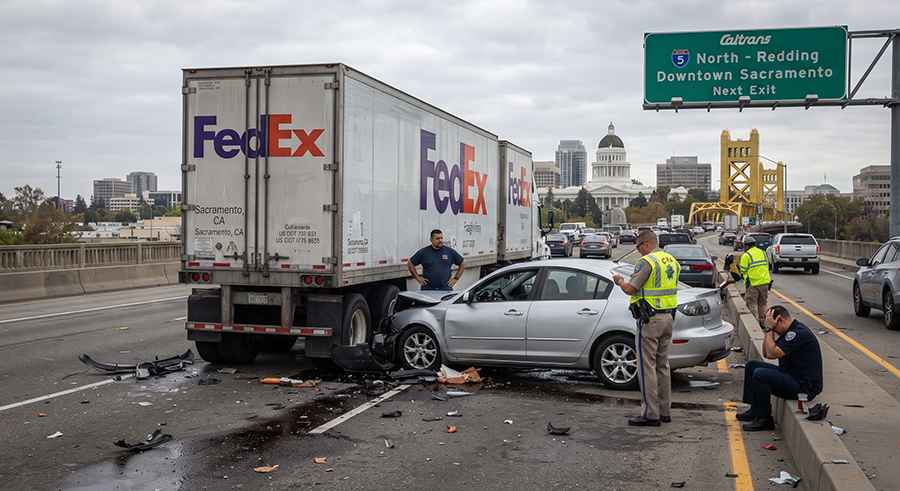
Understanding how these factors fit together is important when determining who may be responsible and what evidence can support a claim. A thorough investigation can reveal issues that go beyond the driver’s actions at the time of impact.
For people injured in a truck collision, a truck accident lawyer in Sacramento can help examine the circumstances and identify the records needed to evaluate potential claims. J.G. Winter Injury Lawyers can help review liability questions, preserve relevant evidence, and assess how different parties' actions may have contributed to the collision. This early review helps injured people understand their options while important records and witness accounts remain available.
Why driver error is only the starting point
After a crash, injured people should preserve medical records, photographs, witness information, and insurance communications. A legal review can identify which records matter and whether a claim involves the driver, carrier, shipper, maintenance contractor, or another party. Speaking with a truck accident lawyer in Sacramento early helps protect evidence and keeps the investigation focused on documented facts rather than assumptions.
A driver’s apparent mistake can reflect a broader management failure. A carrier that ignores fatigue, rushed dispatches, or repeated inspection defects creates evidence beyond the moment of impact. Investigators compare company records with the driver’s account, physical evidence, and witness statements. That comparison can show whether the collision followed an isolated lapse or an unsafe operating pattern.
Who else can share responsibility
Truck crashes often involve several layers of business activity. A driver can face scrutiny for speeding, distraction, or fatigue. The carrier can face separate questions about hiring, training, supervision, dispatch, or vehicle inspections. A shipper or loading contractor can matter when unsecured cargo shifts during travel. A repair provider can matter when neglected work leaves brakes, tires, or steering unsafe. Each theory requires evidence linking the conduct to the collision or resulting harm.
Truck ownership does not settle responsibility. Lease agreements, maintenance contracts, cargo documents, and insurance policies can show who controlled the relevant task. A company can also bear responsibility for an employee’s conduct during a work trip. Legal analysis examines the relationships between the parties, rather than the vehicle alone. That distinction matters when several insurers direct blame toward one another.
Federal safety rules govern commercial carriers, but a claim still depends on the facts. Investigators must connect a violation to unsafe conduct and resulting injury. A citation alone does not establish damages.
California law also permits claims based on negligent hiring, retention, or supervision when the evidence supports those theories. The responsible defendant depends on the facts, contracts, and control relationships shown by available records.
Evidence beyond the crash scene
Physical evidence can answer questions that conflicting accounts cannot. Photographs should capture vehicle damage, skid marks, debris, lane positions, traffic signals, road surfaces, and visible truck markings. A prompt medical examination connects symptoms to the collision and creates a treatment record. Witness names, dashcam files, police reports, and nearby video can preserve details that disappear after the scene changes.
Company records can reveal facts unavailable at the roadside. Relevant materials include driver qualification files, hours-of-service data, inspection reports, repair invoices, dispatch messages, cargo instructions, and post-crash communications. Preservation requests should identify these records before routine deletion occurs. An investigator can also compare timestamps, GPS data, fuel records, and delivery schedules to determine whether fatigue, speed, or schedule pressure influenced the trip.
Protecting a claim after impact
Follow the treatment plan and continue care when symptoms persist. Missed appointments or unexplained gaps give insurers an argument that another cause caused the injuries. An injured person should keep discharge papers, medication lists, bills, wage records, and notes about daily limitations. These documents help connect physical harm with financial losses and future needs.
Statements to insurers require care. A recorded account can omit facts when pain, medication, or shock affects recall. The injured person should provide basic identifying information, avoid guessing, and decline detailed questioning until receiving legal advice. Social media posts can also create misleading impressions about activity levels. Privacy settings do not prevent insurers from using public posts.
Why early legal review matters
Commercial truck claims often require quick coordination because records sit with different parties. A lawyer can send preservation demands, identify applicable deadlines, request crash evidence, and assess insurance coverage. Early review also prevents an injured person from accepting a statement or settlement that overlooks continuing treatment, lost income, or household support. Begin the process after medical attention and immediate safety needs are addressed.
Conclusion
Commercial truck cases require an evidence-based review of conduct beyond the driver’s final action. Dispatch, maintenance, cargo-handling, and medical records can affect how responsibility and damages are evaluated. After a collision, preserve photographs, report symptoms, save communications, and avoid detailed insurer statements without legal advice. A prompt consultation with a qualified attorney can identify the next steps before evidence disappears, deadlines restrict recovery, or necessary records become harder to obtain.