Why Fault Disputes Make Auto Accident Claims More Complicated
Boise drivers can face complicated insurance disputes after a collision, especially when the parties disagree about how the crash happened. Busy intersections, merging traffic, and sudden lane changes can leave conflicting accounts of who had the right of way.
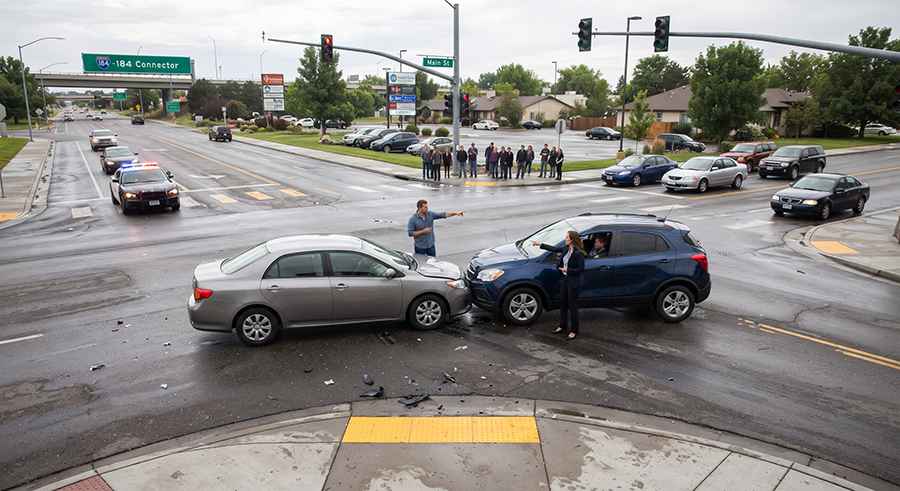
These disagreements may affect how insurers assess responsibility and calculate compensation for injuries and other losses. Understanding how Idaho’s negligence rules apply, along with preserving reliable evidence, can help injured people protect their interests as the claim moves forward.
When fault is in question, a car accident lawyer in Boise can review the evidence and explain how Idaho law may affect a claim. Smith Horras PA Injury Attorneys can help injured individuals understand the factors that insurers consider when evaluating responsibility and potential recovery. A careful review of statements, photographs, and other records can reveal where accounts differ and which details need further investigation.
How Idaho’s Fault Rule Affects Recovery
Idaho follows a modified comparative negligence rule. An injured person can recover damages if they are less responsible for the crash than the other party. The court or insurer reduces compensation by the injured person’s share of fault. If that share is equal to or greater than the other party’s, Idaho law bars recovery from that party. A disputed turn or speed estimate can change the percentages and affect the outcome.
Consider a driver entering an intersection on a green light as another driver turns across traffic. Signal timing, impact location, and sight lines can help determine which account fits the evidence. A rear-end collision can also raise questions about following distance, sudden stops, or the front driver's lane change. The analysis focuses on each person’s conduct, not just which vehicle made contact.
Why Fault Is Disputed
Insurance companies investigate liability before accepting or contesting a claim. Driver statements, the police report, and physical evidence can point to different conclusions. An insurer may argue that the injured person contributed to the crash, even if another driver received a citation. A citation records an officer’s assessment, but it does not settle every question about fault or decide civil liability by itself.
Disputes also grow when accounts change, or details remain unclear. A driver who estimates speed just after a collision may later recall different conditions. Poor visibility, obstructed views, or uncertainty about a signal’s timing can make accurate recall harder. Insurers compare statements with other evidence, so a confident account alone does not resolve the issue.
Evidence That Can Clarify the Crash
Photographs taken soon after a collision can record vehicle positions, damage, skid marks, traffic signs, and road conditions. Witnesses can describe what they saw before impact, including a lane change or signal color. A nearby business or traffic camera may have recorded the crash, but footage can be erased. Identifying possible recordings promptly gives an injured person time to request that they be preserved.
A police report can provide the parties’ accounts, witness names, and an officer’s observations. It may not include every relevant fact or capture the full sequence of events. Medical records serve a different purpose: they connect injuries and treatment to the collision. Receipts, appointment records, and work absence details also help document financial losses.
Steps That Protect a Claim
After receiving medical care, an injured person should save photographs, witness contact information, and copies of crash-related documents. A dated account written while memories are fresh can preserve details that might later seem routine. The account should distinguish direct observations from assumptions. If new information emerges, the person can update the record without changing what they initially remembered.
Recorded statements require care when fault remains disputed. An injured person should answer accurately and avoid guessing about speed, distance, or another driver’s actions. The person should keep insurer communications and copies of submitted documents. Before accepting a settlement, review whether it covers documented treatment, missed work, and any unresolved questions about responsibility.
Conclusion
When an insurer contests fault, the claim depends on evidence that reconstructs the collision and shows each person’s actions. Preserve photos, witness details, medical records, and expense documentation, and write down a dated account while memories are fresh. Avoid guessing about disputed details in statements. Before accepting a settlement or giving a recorded statement, consider having an attorney familiar with Idaho injury claims review the evidence and explain how the fault assessment affects recovery.