The Ultimate Road Trip Packing List for Scenic Drives and Outdoor Adventures
The best road trips I’ve taken had one thing in common, and it wasn’t the destination. They were the trips where I’d packed properly. When everything you need is within reach, you stop thinking about logistics and start noticing the view.
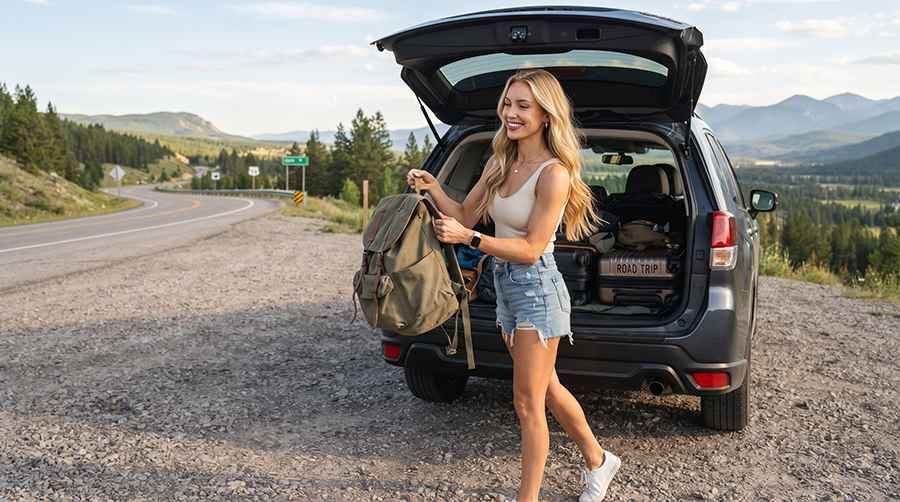
Scenic drives ask a lot of a packing list. In a single day you might start in cool mountain air, spend hours behind the wheel under strong sun, and finish with a hike to a lookout where the temperature drops fast after sunset. Long driving hours wear you down more than you expect, and outdoor stops bring needs of their own. This checklist covers what to bring so the journey feels as good as the places you’re heading to.
1. Navigation Tools and Road Trip Planning
Even if you love the idea of wandering wherever the road takes you, a rough plan leaves room for spontaneity instead of stress.
GPS and navigation apps. Phone apps are great for live traffic and rerouting. A dedicated GPS unit is worth considering for remote routes, since it doesn’t drain your battery or depend on mobile data.
Offline maps. This is the item people skip most and regret most. Mountain passes, desert highways, and coastal roads often have weak or no signal. Download maps for your whole route before you leave, and keep a paper atlas in the glovebox as a backup.
A planned route. Sketch out your main stops, driving times, and where you’ll sleep each night. For inspiration, the most spectacular coastal roads in the world are a great starting point.
Road conditions and fuel stops. Check conditions on the morning you set off, since closures, snow, and rockfall can change a route overnight. Note where fuel stations are on quieter stretches, and top up whenever the tank drops to around half.
2. Clothing and Sun Protection Essentials
Road trip clothing is about comfort and flexibility. You’ll sit for hours, then step out into whatever the weather is doing at your next stop.
Comfortable layers. Choose soft, breathable fabrics that don’t dig in while you’re seated. A T-shirt, a light long-sleeve top, a fleece, and a packable rain shell cover most conditions.
Hats and sunscreen. A hat protects your face and neck at viewpoints and on trails. Keep sunscreen in the car rather than buried in a bag, because side windows don’t block all UV and the arm by the window can burn on a long sunny drive.
Sunglasses. For drivers, sunglasses are close to essential. Glare off wet roads, water, and other windshields tires your eyes over a long day. Look for lenses that block 100% of UVA and UVB rays, since a dark tint alone doesn’t guarantee protection. Polarized lenses help near water or on bright highways.
Comfortable frames matter just as much. A pair that pinches or slides down your nose becomes a distraction within an hour, so lightweight frames with a secure fit are worth the extra thought. It’s also smart to pack a spare pair. Travelers preparing for a sunny getaway can find quality glasses at fair prices to bring along for scenic drives and outdoor activities. If you wear a prescription, bring both your regular glasses and prescription sunglasses.
3. Snacks, Water, and Travel-Friendly Food
Keeping food and water within reach means you can stop where the views are good, not just where the restaurants are.
Reusable water bottles. Bring one per person, plus a large refillable jug in the trunk for remote stretches.
Easy-to-pack snacks. Nuts, trail mix, granola bars, dried fruit, crackers, and whole fruit travel well and won’t melt. Keep a small snack bag up front so nobody has to dig through the back seat.
A cooler for longer journeys. Sandwiches, cheese, cut vegetables, and cold drinks turn a roadside stop into a proper picnic. Pack it the night before with ice packs and keep it out of direct sun.
Staying hydrated. It’s easy to drink very little while driving, then start a hike already a bit dehydrated. Sip regularly throughout the day, carry water on every walk, and drink more in hot weather or at altitude.
4. Emergency Supplies and Car Essentials
Most trips go smoothly, but the ones that don’t are far easier to handle with the right kit. I keep mine packed in a single bin that moves from trip to trip.
- First-aid kit: bandages, gauze, antiseptic wipes, blister pads, tweezers, pain relievers, and personal medications.
- Flashlight or headlamp: with spare batteries for flat tires after dark or late returns from viewpoints.
- Jumper cables: or a portable jump starter if there may be no other car to help.
- Spare tire and pressure gauge: Check that the spare is inflated and that the jack fits. Check pressures when tires are cold.
- Phone charger, power bank: Car charger for driving, charged powerbank for hiking and camping.
- Roadside assistance details: saved in your phone and written on paper in the glovebox with your insurance information.
The Ready.gov car safety guide is a useful checklist to compare against your own kit.
5. Outdoor Adventure Gear
Scenic drives are often about the stops as much as the road. What you pack depends on how active you plan to be.
- Hiking shoes. Even short trails to waterfalls can be rocky or muddy. Broken-in hiking shoes or trail runners are far safer than sneakers or sandals.
- A lightweight backpack. A small daypack carries water, snacks, layers, and sunscreen while keeping your hands free.
- Water bottles and weather-appropriate layers. A bottle that fits your pack’s side pocket and a warm, waterproof layer mean a sudden wind or shower won’t cut your hike short.
- Gear for your plans. Add a swimsuit and quick-dry towel for lakes, binoculars for wildlife, or bug spray for forests. For longer hikes, follow the National Park Service’s Ten Essentials. If you’re heading through national parks, this explorer’s guide to hiking in the United States can help you pick trails along the way.
6. Comfort and Entertainment for Long Drives
Hours on the road pass faster when you’re comfortable and have something good to listen to.
Travel pillows and blankets. Passengers will appreciate a neck pillow and a light blanket on early starts, and a small cushion for lower-back support helps the driver too.
Playlists, audiobooks, and offline entertainment. Build a shared playlist and download music, podcasts, and audiobooks before you leave, since streaming is unreliable in remote areas. A deck of cards weighs nothing, and these card games for your next road trip are perfect for breaks and evenings.
Regular breaks and shared driving. Stop every couple of hours to stretch and rest your eyes, even if you don’t feel tired. If someone else can drive, swap at regular intervals so everyone stays fresh and the usual driver finally gets to enjoy the view.
Conclusion
A great road trip comes down to preparation that matches your route, the weather, and your plans. Offline maps keep you on track when the signal drops, sun protection and good sunglasses keep you comfortable from the driver’s seat to the summit, and a well-stocked emergency kit keeps small problems small.
Before you set off, run through a checklist like this one, even if you’ve done it a dozen times. A few minutes of packing the night before saves hours of frustration later and leaves you free to enjoy the open road, the views, and the stops you’ll remember long after you’re home.