7 Steps to Take After an Accident
Houston roads are fast, and accidents happen. Right after a crash, your instincts aren't always your friend. You want to apologize, even when the wreck wasn't your fault. You tell everyone you're fine, because the adrenaline has you convinced.
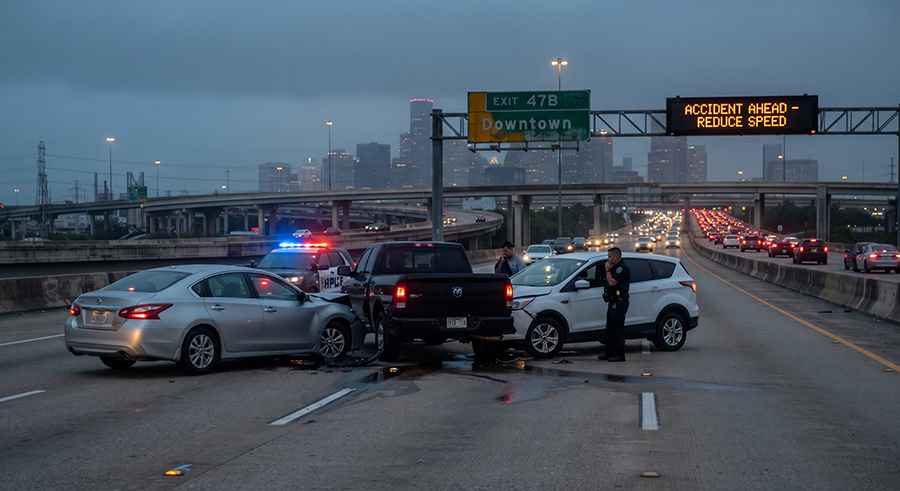
Part of you just wants to get home and put it behind you. Each impulse is understandable, and each one can quietly cost you down the line. A clear set of steps is what keeps a stressful moment from turning into an expensive one.
The good news is that the right moves are simple, as long as you know them before you're rattled and standing on the shoulder of the road. Following them protects your health first, and your claim right behind it. They also make a real difference if you need legal representation after an accident in Houston. Here are seven steps to take after an accident, in the order they matter.
1. Move to Safety First
Before anything else, make sure you are safe. If the vehicles are drivable and it's safe, pull to the shoulder and switch on your hazard lights. Check yourself and anyone with you for injuries. On a busy Houston freeway especially, a second collision is a real risk. Safety comes before paperwork, every single time.
2. Call the Police
Even for a minor crash, involve the police. An officer will document the scene and file an official report, which insurers review first. If anyone is hurt, get medical help right away. Resist any urge to settle it privately with the other driver. A documented record protects you far better than a handshake and a promise.
3. See a Doctor, Even If You Feel Okay
Adrenaline is good at hiding injuries. Whiplash or a concussion, and even internal damage, can take a day or two to surface, long after you've told everyone you're fine. Get checked out the same day. It protects your health, and it creates a medical record that ties your injury to the crash. A gap between the accident and your first visit is precisely the opening an insurer uses to deny a claim.
4. Document Everything at the Scene
If you're able, put your phone to work. Photograph the vehicles, the damage, the road, and anything that caused the crash. Note the time and the conditions. Exchange names, contact details, and insurance information with the other driver, and note their plate number. Memory fades fast under stress, so the details you capture now are far more reliable than the ones you'll try to recall next week.
5. Track Down Witnesses
Anyone who saw what happened could matter a great deal later, especially if the other driver changes their story. Politely ask nearby witnesses for a name and phone number before they leave the scene. A neutral account from someone with nothing to gain carries more weight than your word alone. Those few seconds can make the whole difference in a disputed claim.
6. Report the Crash to Your Insurer
Most policies require you to report an accident promptly, so don't delay. Call your own insurance company and give them the basic facts. Keep it simple and stick to what you know for certain. This isn't the time to guess about fault or downplay your injuries, since early statements can come back around. Prompt, factual reporting helps keep your coverage intact.
7. Be Careful Before You Settle
Soon after, an adjuster for the other driver may call, friendly and eager to wrap things up fast. Be cautious. Avoid giving a recorded statement, and never accept a quick settlement before you know how serious your injuries really are. Once you sign, the case is usually closed. Getting advice before you agree to anything is the step that protects everything you did in the first six.
The Bottom Line
An accident is overwhelming, but working through it one step at a time keeps you in control. Protect your health, document what happened, and be careful with the insurance companies, and you've handled the part that trips most people up. If someone else caused your crash, strong legal representation can take the pressure off and make sure your claim reflects what you actually went through. If you're hurt in Houston, that first conversation is easy to make.