Driving a Pickup Truck on Narrow Mountain Roads: Passing, Turning, and Visibility Tips
A mountain road can change character within a few miles. A graded gravel approach may lead to tight switchbacks, single-lane ledges, or a turnout too small for a full-size pickup. The challenge is especially noticeable in trucks with long wheelbases, wide mirrors, or a heavy load in the bed.
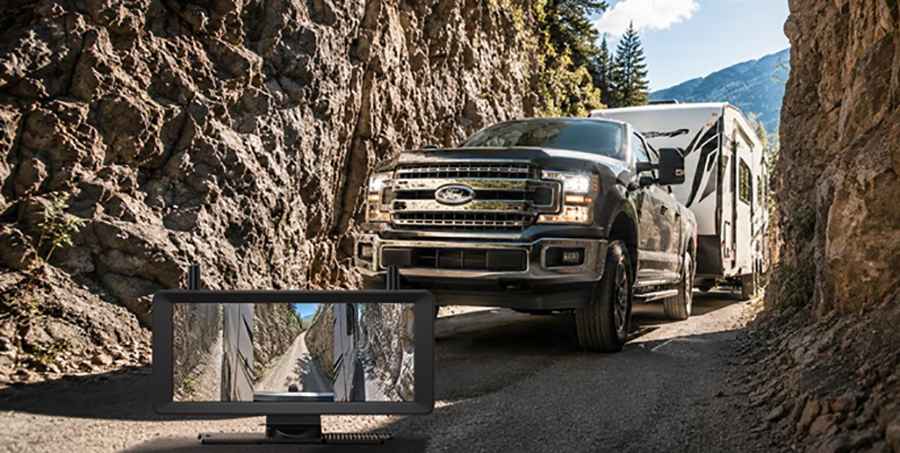
A successful trip begins with understanding the space the vehicle needs to travel, turn, and stop. For narrow mountain routes, a useful planning method is the Three-Space Check: passing space, turning space, and visibility space. It helps drivers assess the road before they commit to a difficult section.
Check the Route Against Your Truck's Dimensions
Four-wheel drive and ground clearance are valuable on rough surfaces, but road width and bend geometry often determine whether a pickup can make the journey. A full-size truck may struggle with a hairpin turn that a short-wheelbase off-road vehicle handles comfortably.
Before setting off, check the truck's width including mirrors, overall length, wheelbase, clearance, and height with accessories fitted. Include any trailer or rear-mounted cargo carrier in those measurements. A bed rack or rooftop tent can also affect clearance beneath branches and rock overhangs.
Use official park, forest, or highway sources for vehicle restrictions, closures, and current conditions. Look beyond the route's difficulty rating to find information about bridges, switchbacks, unpaved shoulders, and passing bays. Recent reports can help identify washouts or fallen trees, but conditions may have changed since they were posted.
Carry a downloaded map that shows junctions and alternate exits. On remote routes, knowing where to leave the road is as valuable as knowing how to enter it.
Use the Three-Space Check
Passing space is the room available when vehicles meet. On a single-lane route, identify designated pullouts or clearly stable wider sections before approaching a blind bend. A seemingly wide shoulder may be soft, eroded, or unsupported at its outer edge.
Turning space is the clearance needed for the pickup to negotiate bends or reverse direction. Long-wheelbase trucks require more room to turn, and their rear wheels follow a tighter path than the front wheels. The tail end can also swing outward during sharp steering inputs. Look at the entire vehicle's path through each switchback.
Visibility space covers what the driver can reliably see around the truck and along the road. Rock walls, vegetation, steep crests, and the truck's own bed can conceal hazards. Poor visibility limits the time available to react even when a road appears wide enough.
If any of these spaces cannot be assessed confidently, stop at an established safe location and check conditions before proceeding. This habit prevents small uncertainties from becoming difficult maneuvers on exposed terrain.
Manage Oncoming Traffic and Hairpin Turns
Anticipate traffic early. Watch for dust, headlights, engine noise, and movement beyond corners. Slow down near designated passing areas and leave enough room for another vehicle to clear the narrowest section.
Yielding rules vary with location. On many steep single-lane roads, uphill traffic is given priority because restarting on an incline can be difficult. Follow posted signs and local rules, and communicate clearly when another driver needs to pass.
At a tight switchback, reduce speed before turning and select an appropriate gear. Keep steering and braking smooth, especially on loose gravel. Observe both front clearance and the track of the rear wheels. Avoid using the opposing lane or an uncertain shoulder to make a turn unless the maneuver is lawful, visible, and clearly safe.
When two vehicles cannot pass, both should stop and assess the nearest verified passing place. Reversing toward an exposed drop or around an unseen bend carries serious risk. Seek assistance if there is no confirmed safe way to reposition either vehicle.
Control Speed on Steep Grades
Long climbs and descents place additional demands on an engine, transmission, tires, and brakes. The effects become more pronounced when a pickup carries camping equipment or tows a trailer.
On climbs, use a suitable gear, maintain a measured pace, and monitor engine temperature and warning indicators. Pull over only in a secure area if the truck begins to overheat or behaves abnormally.
On descents, select an appropriate low gear or use the vehicle's manufacturer-provided grade-control or tow/haul function. Engine braking can help control speed and reduce prolonged use of the service brakes. Apply the brakes as needed to maintain a safe pace, and slow well before each bend. Continuous heavy braking can lead to overheating and reduced effectiveness.
Allow extra following distance when the road is wet or covered with loose stones. Drive at a speed that allows a complete stop within the distance you can see ahead.
Respect the Road Edge
The visible edge of a gravel mountain road does not always indicate firm ground underneath. Water runoff, erosion, and freeze-thaw cycles can weaken shoulders, particularly near steep slopes or drainage channels.
Keep the tires within the established travel surface. Give rocks and roadside obstacles clearance without placing a wheel on unverified ground. Where passing requires extra room, use a designated pullout instead of improvising along the edge.
Watch for changes in traction. Loose stones, mud, ice, and dust can reduce grip or conceal potholes. A road that was easy on the approach may become difficult after rain or as temperatures fall higher up the mountain.
Improve Rear Visibility During Low-Speed Maneuvers
Narrow trailhead parking areas and established mountain turnouts can be awkward for pickups. The high tailgate and length of the bed make small obstacles immediately behind the vehicle harder to judge from the driver's seat.
A truck backup camera can add a view of the space behind the bumper during controlled, low-speed positioning. Camera placement, lens cleanliness, display clarity, and lighting all affect how useful that view will be.
Before reversing, check the area on foot from a secure position when practical. Look for rocks, drainage channels, pedestrians, changes in grade, and sufficient room to complete the maneuver. Use mirrors and direct observation alongside the camera. If another adult is helping, agree on signals and keep the spotter visible and clear of the truck's path.
Stop immediately if the surroundings or the spotter are no longer visible. Only reverse in an area whose surface and boundaries have been checked. Exposed roadsides with unknown ground conditions are unsuitable places to attempt a multi-point turn.
Prepare for the Truck's Actual Load
Cargo changes braking distances, stability, and the demands placed on tires and suspension. Secure equipment so it cannot shift during steep climbs or sudden deceleration, and remain within the manufacturer's weight limits.
Before departure, inspect the tires, including the spare, for condition and correct pressure for the load. Check brakes, steering, suspension, lighting, coolant, and fluid levels. Address any warning lights or unusual behavior before reaching remote roads. If towing, inspect the hitch, safety connections, and trailer brakes where fitted.
Carry water, appropriate clothing, a first-aid kit, a tire-changing kit, and other supplies suited to the route. Download maps, check the weather and daylight available, and tell a reliable contact where you plan to travel. Phone reception and roadside assistance may be limited in remote mountain areas.
Make the Turnaround Decision Early
One of the most important judgments comes before a difficult stretch. Imagine reaching a level, established turnout just ahead of a narrow section with several blind corners. The road beyond may be passable, yet conditions are uncertain and the next suitable turning area is unknown.
That turnout is a decision point. Check the latest route information and ask four questions:
- Can the truck fit through the narrowest known sections?
- Are traction, weather, and visibility adequate?
- Are passing places and safe exits confirmed?
- Can the driver complete the route within their experience and the vehicle's capabilities?
If an essential answer is uncertain, turn around while a verified space is available or remain in a safe location until reliable information can be obtained. The safest choice is often made before the road forces an awkward recovery maneuver.
Final Thoughts
Driving a pickup on narrow mountain roads rewards patience and planning. Match the route to the truck's dimensions, assess passing, turning, and visibility space, and manage speed before slopes and bends. Treat shoulders cautiously, use rear-visibility aids for low-speed positioning, and decide early when conditions exceed a safe margin. The road is more enjoyable when the driver retains room to make sound choices.