What Do Ohio Crash Statistics Reveal About Defiance Roads?
Ohio crash statistics can help reveal where collisions occur frequently, which driving behaviors contribute to accidents, and what roadway conditions may create risks for motorists in Defiance. However, understanding local road safety requires more than looking at statewide totals.
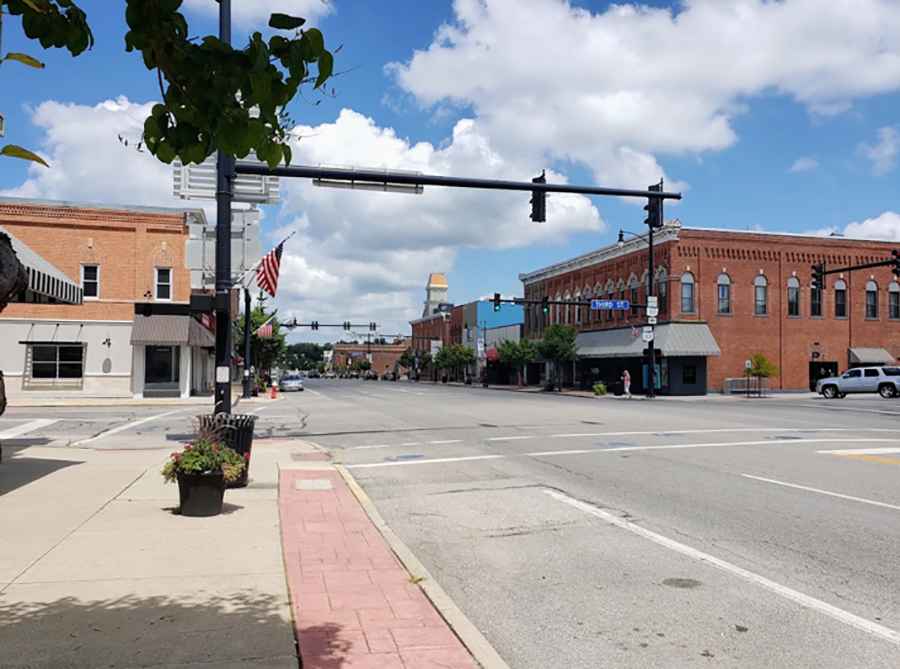
Crash locations, traffic volume, weather, intersection design, and the circumstances of individual collisions all help explain where risks may exist and what steps could reduce them.
Defiance is a city in northwestern Ohio, located near the confluence of the Maumee and Auglaize rivers. It serves as a regional center for nearby communities, with local roads connecting residential areas, businesses, schools, and major travel routes. Reviewing Statistics alongside local traffic conditions can help residents better understand road safety concerns and identify areas where additional investigation may be worthwhile.
What Crash Data Can Reveal
Crash reports provide information about where and when collisions occur and what factors may have contributed to them. Ohio's transportation and public safety agencies collect crash information that can help researchers, planners, and local authorities evaluate roadway risks.
For Defiance, useful data may include collisions at intersections, crashes involving pedestrians or cyclists, incidents during poor weather, and accidents associated with speeding or distracted driving. Examining several years of records can help distinguish recurring patterns from isolated events.
However, a high number of crashes does not automatically mean a road is unusually dangerous. Roads with heavier traffic may naturally experience more collisions simply because more vehicles use them. Crash rates, traffic volume, and injury severity provide additional context for understanding the actual level of risk.
Intersections and Traffic Flow
Intersections deserve particular attention because vehicles often cross paths, turn, merge, or stop suddenly in these areas. Crashes can occur when drivers fail to yield, misjudge gaps in traffic, overlook traffic signals, or follow other vehicles too closely.
In and around Defiance, local crash records can help identify intersections that may warrant closer review. Investigators may consider visibility, signal timing, road markings, turning lanes, lighting, and the speed of approaching traffic.
A pattern of collisions may justify further examination, but statistics alone cannot establish that an intersection's design caused an accident. A more complete investigation may require engineering assessments, site photographs, witness accounts, and reports documenting the specific crash.
Weather and Seasonal Driving Conditions
Northwestern Ohio experiences seasonal weather changes that can affect road conditions. Rain, snow, ice, fog, and reduced visibility may make driving more difficult, particularly when motorists travel too quickly for the conditions or fail to leave enough stopping distance.
Crash data categorized by weather, time of day, and season can help identify when particular hazards are more common. For example, records may show whether collisions increase during winter conditions or during periods of heavy commuting traffic. Any conclusions, however, should be based on verified local data rather than assumptions about a particular road.
Drivers can reduce some weather-related risks by slowing down, increasing following distance, clearing snow and ice from their vehicles, and allowing additional travel time when conditions deteriorate.
How Statistics Can Help After a Car Accident
Local crash data may also be useful when investigating a collision in Defiance. An attorney reviewing an accident could examine whether similar incidents have occurred nearby, whether a known road hazard existed, or whether further investigation into traffic controls or visibility is appropriate.
Still, proving a personal injury claim requires evidence connecting the specific collision to another party's negligence. Police reports, photographs, medical records, witness statements, vehicle damage, and expert analysis may be more directly relevant than general crash totals.
Ohio follows a modified comparative negligence system under Ohio Revised Code § 2315.33. Depending on the circumstances, an injured person's share of fault can affect their ability to recover damages and the amount available. Reliable evidence about how the collision occurred is therefore essential.
Key Takeaways
- Ohio crash records can help identify collision patterns and potential roadway hazards in Defiance.
- Traffic volume, intersection design, weather, and driver behavior all influence crash patterns.
- A high crash count alone does not prove that a road is unsafe or that a party was negligent.
- Local crash data can guide further investigation after an accident.
- Police reports, medical documentation, and other incident-specific evidence remain essential to a personal injury claim.