What to Do After a Highway Accident When Traffic Is Still Moving
After a highway accident, move your vehicle out of active traffic if it is safe to do so, switch on your hazard lights, and call 911. Your first priority is to prevent another collision, so avoid exchanging insurance details or photographing the damage until you are in a safe location.
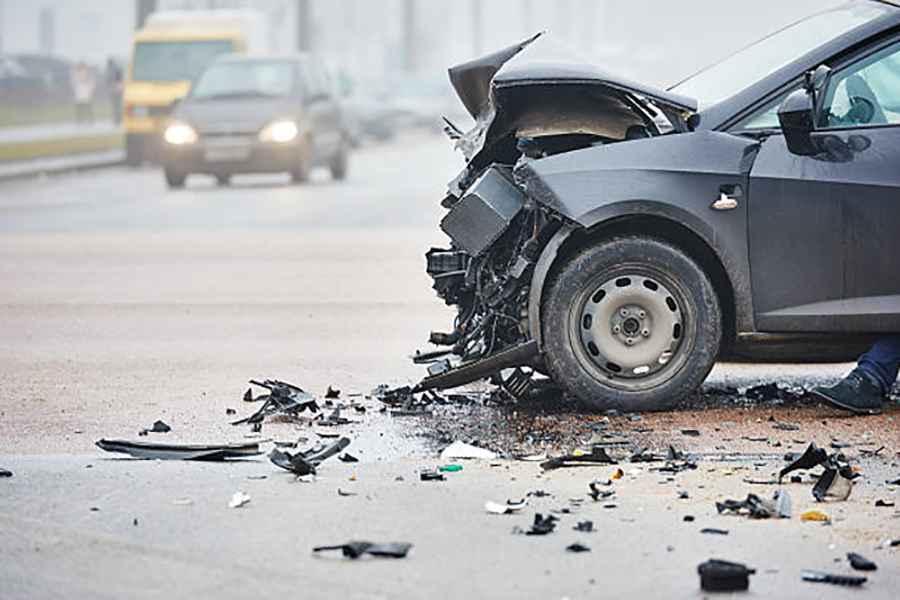
Highway traffic often moves at high speeds, making it especially dangerous to remain near moving vehicles after a crash. Understanding how to respond to highway crashes can help you take the right safety steps, including moving away from traffic and waiting in a protected area to reduce the risk of further injuries.
In this article, we will explain the steps to take after a highway accident when traffic is still moving.
Check for Injuries and Move to Safety
Check yourself and your passengers for injuries. Call 911 immediately if anyone is seriously injured, unconscious, trapped, bleeding heavily, or experiencing a medical emergency.
If the vehicles remain drivable and nobody is seriously injured, move them onto the shoulder, an emergency lane, or another safe location. If a vehicle cannot move, activate its hazard lights and get to a protected area. Never attempt to push a disabled vehicle through live traffic.
Turn On Hazard Lights and Call 911
Switch on your hazard warning lights as soon as you stop. Give the dispatcher clear information about:
- The highway and direction of travel
- The nearest exit, mile marker, or cross street
- The number of vehicles involved
- Any injuries, blocked lanes, fires, or fuel leaks
Do not assume someone else has called for help. Ask a passenger to call if you cannot safely use your phone.
Stay Away from Moving Vehicles
Never stand between crashed vehicles, behind a disabled car, on the centerline, or in an active lane. Avoid areas near smoke, leaking fuel, or fire.
If possible, move behind a guardrail or onto a protected embankment, away from approaching traffic. Use reflective triangles or other warning devices only when placing them will not expose you to danger.
For commercial drivers, 49 C.F.R. § 392.22 requires hazard flashers and specified warning devices when a commercial motor vehicle stops on a highway or shoulder. The regulation generally requires warning devices to be placed as soon as possible and within ten minutes.
Exchange Information Safely
Once everyone is in a safe location, exchange names, contact details, driver's license information, insurance details, vehicle registration information, and license plate numbers. Collect witness contact details, too. Do not stand beside vehicles in a live lane simply to complete the exchange.
Photograph the Scene When Safe
Photographs can help document what happened. If conditions permit, capture:
- Vehicle damage and license plates
- Road conditions, signs, and lane markings
- Skid marks and debris
- Weather and visibility
- Visible injuries
- Insurance information
Photograph vehicle positions before moving them, only if you can do so without entering traffic. Your safety matters more than obtaining perfect evidence.
Watch for Approaching Emergency Vehicles
If you are approaching an accident as another driver, slow down and move over when required. NHTSA states that all 50 states have Move Over laws protecting emergency vehicles displaying flashing lights. Requirements vary, and some states extend protection to tow trucks and other roadside vehicles.
Never stop unnecessarily to watch a crash or use your phone while driving past the scene.
Seek Medical Care and Preserve Records
Some injuries, including concussions, whiplash, and internal injuries, may not be immediately obvious. Seek medical evaluation for concerning symptoms such as dizziness, headaches, numbness, confusion, or abdominal pain.
Keep medical records, treatment bills, repair estimates, rental-car receipts, insurance communications, and details of missed work.
Final Takeaways
- Move out of traffic when safe.
- Switch on hazard lights immediately.
- Call 911 and report hazards clearly.
- Wait behind a barrier or in another protected area.
- Exchange information away from moving traffic.
- Photograph damage only when conditions permit.
- Seek medical care and preserve accident records.