What It Takes to Run a Vehicle Recovery Business in the UK
Nobody thinks about vehicle recovery operators until they're stuck on a hard shoulder with a wheel that a pothole just ripped apart, or axle-deep in a flooded ford miles from the nearest town.
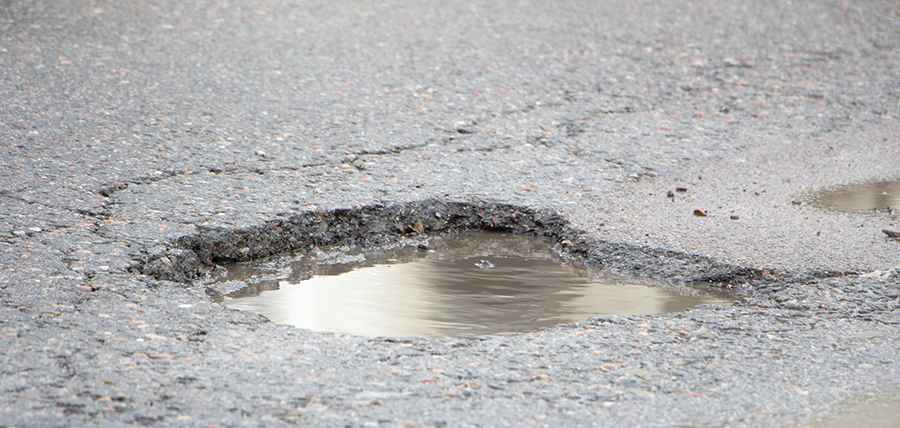
RAC Pothole Index data from 2025 shows their patrols responded to more than 26,000 pothole-related breakdowns that year alone, which works out to about 71 every single day. Someone will have to turn up to each of those breakdowns, work out what's happened and then get a damaged vehicle loaded and moved to safety, all with live traffic flying past just metres away.
So what does it take to keep a recovery operation running in the UK, from the gear on the truck to the cover you'll need for working some of the country's most dangerous stretches of road?
How to Set Up and Protect the Business
No single licence covers vehicle recovery in the UK, but there are still plenty of boxes to tick. Genuine recovery vehicles are actually exempt from operator licensing, but only while they're used exclusively for recovering broken-down vehicles. But if a truck over 3.5 tonnes moves a car that isn't disabled, perhaps between garage forecourts or for trade work, that counts as haulage and you'll need an operator's licence for it.
All your drivers will need the right categories on their licences too. PAS 43 is the standard that matters here. It's the industry standard for vehicle recovery, and most contract providers and local authorities will want to see it before they add you to their call-out rotas.
Insurance gets more specific. Recovery operators need motor trade insurance because they spend every working day driving and transporting vehicles that don't belong to them, and a standard commercial vehicle policy won't cover that kind of exposure. Public liability cover can also be essential because the work will constantly put operators right next to other road users on live carriageways, and roadside recovery always carries real physical risk.
The Kit That Keeps a Recovery Truck Running
A basic flatbed and a spec-lift won't cut it if you're pulling cars out of ditches on single-track Highland passes or winching them off soft verges after a flash flood. Most operators end up running a mixed fleet because the work demands it. Your standard flatbed will handle everyday motorway jobs, but heavier recoveries and tighter angles will need something fitted with a proper underlift or boom, along with winches, snatch blocks, tow bars, axle straps and light boards as part of your core toolkit.
They wear out fast. Recovery gear takes a real hammering on rough ground and in foul weather, and you can't afford to delay replacing worn equipment when someone's safety depends on every strap and cable doing its job.
Why Dangerous Roads Make the Job Harder
Picking up a broken-down car on a quiet residential street is one thing. Try doing that on a live dual carriageway with no hard shoulder, or on a narrow rural road where the recovery truck barely fits between the hedgerows. Operators will regularly find themselves just metres from traffic at motorway speeds, and the dangers pile up once you factor in poor visibility, impatient drivers, bad weather and the total unpredictability of every single call-out. Rural areas are different again.
Flooded fords, steep gradients, icy single-track roads and spots where a breakdown truck can barely squeeze through will all be part of the territory for anyone working outside major cities, and sometimes just reaching the scene can take as long as the recovery itself.
What the Job Really Demands
This isn't a nine-to-five. Call-outs will come at 3am on a Tuesday with the same regularity as a Friday afternoon, and every single one involves working on or near a live road where the conditions, the vehicle, and the risks are different from the last job. There's no routine recovery. A Monday morning motorway shunt and a Thursday night ford rescue in mid-Wales have almost nothing in common except that both need someone to turn up, work safely under pressure, and get a stranger's car home in one piece.
Operators who last in this line of work invest in their fleet, keep their training current, carry the right cover and make sure all their paperwork stays in order. The ones who cut corners tend to find out quickly that a missed PAS 43 renewal or an insurance gap will cost them contracts faster than any mechanical failure ever could. For the thousands of drivers who break down every year on roads that won't give you any margin for error, recovery operators are the difference between a bad day and a dangerous one.
Image credit: Depositphotos