What Happens If a Car Hauler Breaks Down with Your Car on It?
Suppose the car you just bought is several states away, and you have arranged for professional moving services and seen the moving company pick up the car. This all appears to be running well. Then you receive an unexpected call from the driver. The car hauler has cracked, and your car is still in the car bed.
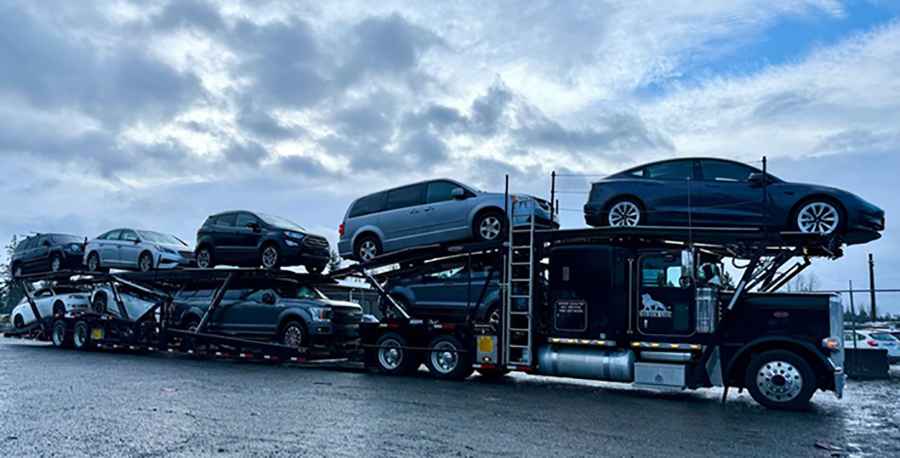
Sure, it is an awkward situation, but it doesn't automatically mean that your car has been abandoned, lost, or in great danger. Professional auto transport incorporates contingency planning, as mechanical issues, tire blowouts, road accidents, and weather-related concerns can arise during a lengthy journey.
The important question is what happens next. Who is responsible for the vehicle? How is it unloaded? Will another carrier come on board? Is there any possibility of a late delivery? What if your auto is damaged during your breakdown?
Understanding the process can help you stay calm and make better decisions if something goes wrong.
What to Expect If Your Car Hauler Breaks Down
Most breakdowns trigger a chain of events involving the driver, dispatch, repair shop, tow company, and possibly another transportation company. First, the truck, trailer, and vehicles must be secured before considering the next step in the shipment.
The carrier typically arranges for the vehicle's securement, emergency phone calls, or maintenance, and decides whether the truck can proceed or another carrier will be required to complete the delivery.
The answer will vary with the type of breakdown. Small problems like a flat tire can be fixed on the road. If anything is wrong with the engine, transmission, brakes, or the trailer, the vehicle and trailer may have to wait for repairs at a repair shop.
Communication is most important for customers. A reliable transport company will outline what went wrong, where the car is, and what they are doing about the incident.
Why Do Car Haulers Break Down?
Car transport companies drive thousands of miles across the United States, occasionally in a convoy. They are subjected to wear and rough conditions, as with all heavy commercial vehicles. The reasons for breakdowns are:
- Tyre failures
- Engine problems
- Brake system issues
- Electrical faults
- Cooling system failures
- Trailer problems
- Battery issues
- Suspension damage
- Unexpected mechanical wear
The weather may add to the trouble. When combined with extreme heat, engines and tires may be subjected to increased stress, and snow and ice can make driving difficult. Having them repaired doesn't mean they are poorly maintained. Commercial equipment that is properly maintained can still fail unexpectedly.
What Happens Immediately After the Breakdown?
Safety is the initial concern. When possible, the driver should park the truck and trailer in a safe spot and call roadside assistance or the carrier's dispatch department. On a busier motorway or interstate, the situation may require additional safety measures. The driver and transport company might have to:
- Lock the truck and trailer.
- Call emergency roadside services when needed.
- Notify dispatch.
- Find out whether repairs can be made on site.
- Arrange towing or recovery if required.
- Inspect the transported vehicles.
- Customer notification of the delay.
Leaving vehicles unattended in an unsafe location is not acceptable to the carrier.
When Unloading May Be Necessary
Vehicles may need to be unloaded if:
- The trailer itself is damaged.
- The truck cannot safely move.
- Repairs require separation of the tractor and trailer.
- A replacement carrier is being used.
- Authorities require the load to be moved.
- The vehicle must be recovered from an unsafe location.
The transfer should be performed carefully. Cars on multi-level or specialized car haulers cannot simply be driven off like vehicles parked in a normal driveway.
Can Another Car Hauler Take Over?
Yes. If the original carrier cannot complete the journey, another qualified carrier may be arranged to continue transportation. This process is sometimes referred to as a recovery, reassignment, or transfer of the shipment. The replacement carrier may need to:
- Receive the vehicle condition information.
- Confirm the vehicle identification.
- Inspect the vehicle before loading.
- Secure the vehicle correctly.
- Receive the relevant transport paperwork.
- Continue towards the original destination.
The customer should be informed when such a transfer occurs. A change of driver or carrier does not necessarily mean something is wrong with the vehicle itself.
Will a Breakdown Delay Your Delivery?
In many cases, yes. Even a relatively minor breakdown can affect the original delivery schedule. The length of the delay depends on factors such as:
- Severity of the mechanical problem
- Availability of replacement parts
- Location of the breakdown
- Availability of another carrier
- Weather
- Traffic conditions
- Distance remaining
- Number of vehicles on the trailer
A simple tire replacement might take hours, while a major mechanical repair could take considerably longer.
Customers should be cautious about assuming that a delayed delivery means the carrier has lost control of the shipment. Unexpected mechanical problems are one reason companies offering cross country car shipping provide estimated delivery windows rather than guaranteed arrival times.
Who Is Responsible for Your Car During a Breakdown?
While the vehicle is in the carrier's possession, the transport provider remains responsible for handling the shipment in accordance with the terms of the transport agreement and applicable requirements. This is why customers should choose properly registered and insured transport providers.
Before booking, check the carrier or broker's credentials and ask questions about cargo insurance. The Federal Motor Carrier Safety Administration provides resources for consumers researching interstate motor carriers.
A breakdown alone does not automatically mean the carrier is financially responsible for all resulting expenses. Responsibility can depend on the circumstances, contract, insurance coverage, and whether damage occurred.
What If Your Car Is Damaged During the Breakdown?
This is where documentation becomes extremely important. Before transport begins, the carrier normally completes a vehicle condition inspection. The condition is recorded on the Bill of Lading, as evidenced by photographs.
If the vehicle is damaged during a breakdown or recovery operation, document the condition as soon as possible. Take photographs of:
- The front and rear
- Both sides
- Wheels and tyres
- Windows and mirrors
- Roof where possible
- Any new scratches or dents
- Areas involved in recovery
Compare the delivery condition with the original pickup inspection. If new damage is visible, make sure it is recorded on the delivery paperwork before signing. Notify the carrier or transport company promptly and ask about the claims procedure.
What Does Cargo Insurance Usually Mean for the Customer?
Cargo insurance is designed to protect vehicles during transport, subject to the policy's terms, exclusions, and limits. Customers should not assume that every type of loss is automatically covered. Before shipment, ask:
- Who provides the cargo insurance?
- What are the coverage limits?
- Is there a deductible?
- What exclusions apply?
- How are claims submitted?
- What documentation is required?
If a breakdown causes no physical damage, the situation may simply involve a delivery delay. If the vehicle is damaged during an accident or recovery operation, the applicable insurance and liability arrangements become more important.
What Should You Do If the Carrier Stops Responding?
A mechanical breakdown is one thing. A lack of communication is another. If you have been told that your vehicle is delayed, ask for specific information rather than relying on vague promises. Request:
- The vehicle's current location.
- The reason for the breakdown.
- The expected repair time.
- Whether the vehicle remains on the original trailer.
- Whether another carrier is being arranged.
- The updated delivery estimate.
- Contact details for the responsible transport company.
Keep copies of emails, messages, photographs, contracts, and transport documents.
If communication completely stops, customers can escalate the matter through the broker or carrier's management team and, where appropriate, use relevant federal or state consumer and transportation complaint channels.
Does the Breakdown Change Your Shipping Agreement?
There may be no cancellation of the original transport agreement due to a breakdown. But if another carrier is needed, or if the delivery date changes significantly, it could be different. Always read the transport agreement before traveling. Look for information about:
- Delays
- Mechanical problems
- Carrier substitution
- Delivery windows
- Insurance
- Claims
- Storage
- Cancellation
Before picking up the car, knowing these terms ahead of time will save you from bad surprises later.
How Customers Can Prepare for a Possible Delay
There is no way to prevent a carrier from experiencing mechanical issues, but you can make the process less cumbersome. If arranging transport, try to plan it as far in advance of an event as possible.
If you are moving into your new home, for instance, do not expect your car to arrive on the day you arrive unless the company guarantees it. It is sensible to:
- Have a tiny bit of a buffer.
- Keep in touch with the carrier.
- Know another way to get to work, if needed.
- Don't schedule crucial appointments on the day of or close to delivery.
- Store key papers in a handy place.
This can be especially helpful for cross-country deliveries, where schedules may be interrupted by unforeseen traffic, weather, and mechanical issues.
What Happens in Major U.S. Cities?
Large metropolitan areas can present their own challenges because heavy traffic, construction, restricted access, and busy loading areas may complicate vehicle recovery.
For example, New York City has extensive transportation infrastructure and complex road conditions. The official NYC Department of Transportation provides information about the city's transportation network and street operations here.
Long-distance regional travel, congestion, and the sheer size of the road network make Los Angeles a unique challenge. Useful city resources if shipment is delayed and/or recovery is being coordinated in a major city.
How to Avoid Breakdowns in Transport Companies
Prevention is better than cure! Professional carriers need to follow appropriate inspections and maintenance procedures on their trucks and trailers before embarking on long journeys. Preventive maintenance may include the following checks:
- Engine fluids
- Tyres
- Brakes
- Lights
- Suspension
- Trailer connections
- Hydraulic systems
- Electrical components
Drivers can sometimes discover problems during pre-trip inspections. But no risk can be eliminated by maintenance. A sudden failure on a commercial vehicle can occur hundreds of miles from home.
What Customers Should Never Do
When you hear that your vehicle is sitting on a broken-down carrier, it is understandable to feel frustrated. However, avoid making rushed decisions.
Never do the following:
- Send an unqualified person to retrieve the vehicle.
- Arrange an unofficial transfer without documentation.
- Assume the vehicle is damaged without inspecting it.
- Ignore new damage at delivery.
- Sign paperwork without checking the vehicle.
- Pay unexpected charges without understanding them.
- Rely only on verbal promises.
Keep everything documented. Written communication can be particularly valuable if a dispute develops later.
Conclusion
A car hauler breaking down with your vehicle on board is stressful, but it does not necessarily mean your car is in serious trouble. In most cases, the carrier's priority is to secure the load, diagnose the problem, repair the equipment, or arrange a safe transfer to another qualified carrier.
The biggest potential consequence is usually a delivery delay. If physical damage occurs, careful inspection, photographs, the Bill of Lading, and prompt communication become essential.
FAQs
1. What happens if a car carrier breaks down during transport?
The carrier normally arranges roadside assistance, repairs, towing, or a replacement carrier. The vehicles may remain on the trailer or be transferred depending on the severity and location of the breakdown.
2. Will I have to pay extra if the car hauler breaks down?
Not necessarily. Whether additional charges apply depends on the transport agreement and circumstances. Ask the carrier for a written explanation before agreeing to unexpected costs.
3. What happens if my car is damaged during a breakdown?
Document the damage with photographs and record it on the delivery paperwork. Then notify the carrier and follow its cargo insurance claims process.
4. Can another carrier deliver my car if the original truck cannot continue?
Yes. A transport company may arrange for another qualified carrier to complete the shipment when the original equipment cannot safely continue.
5. How can I protect myself before shipping my car?
Choose a properly registered and insured provider, read the transport agreement, photograph the vehicle before pickup, keep the Bill of Lading, and inspect the car carefully when it arrives.