Why Erosion Protection is Crucial for Road Safety
When we think of road safety, our minds naturally drift to visible measures like seatbelts, strict speed limits, sturdy guardrails, and well-lit intersections. However, one of the most formidable threats to roadway integrity and passenger safety operates silently just beneath the asphalt and along the road shoulders: soil erosion.
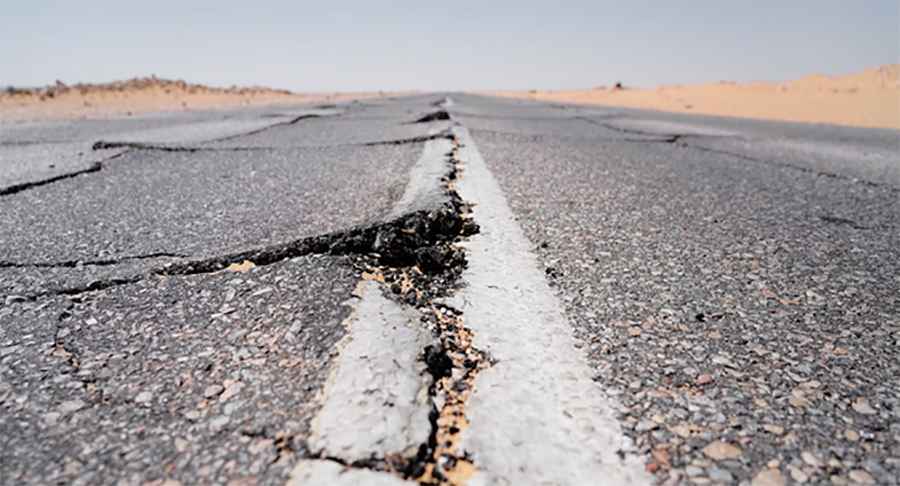
The gradual but relentless wearing away of earth by wind, water, and shifting weather patterns can have catastrophic effects on highway infrastructure. Understanding why erosion protection is essential for road safety allows municipalities and civil engineering firms to build highly resilient transportation networks. These proactive measures ultimately protect drivers and drastically reduce long-term structural maintenance costs.
Implementing Reliable Erosion Control Measures
Addressing these environmental hazards requires proactive planning and the immediate installation of reliable erosion control materials. Modern civil engineering relies on a variety of robust methods, including hydroseeding, geotextiles, erosion control blankets, heavy-duty tarps, and reinforced synthetic covers. For comprehensive solutions tailored to rigorous environmental and infrastructural demands, specialized protective covers play an absolutely indispensable role. Using robust, proven materials like those at inlandtarp.com/rcr can significantly improve the stability of vulnerable roadside embankments and active road construction sites, protecting both the surrounding terrain and the motorists traveling nearby.
Preventing Structural Undermining
The foundation of any durable road relies entirely on compacted, stable soil. When water runoff isn't properly managed, it channels along the edges of the pavement, slowly washing away the vital subgrade and base materials. Over time, this hidden deterioration undermines the structural integrity of the road itself. Without the necessary support beneath the surface, asphalt and concrete begin to crack, crumble, and ultimately collapse. This creates dangerous potholes, uneven driving surfaces, and even massive sinkholes that can cause severe, high-speed accidents. Effective erosion control stabilizes these foundational soils, guaranteeing that the road surface remains flat, predictable, and safe for all types of vehicles.
Mitigating the Risk of Landslides and Rockfalls
For highways carved into hillsides or navigating through mountainous terrain, the slopes adjacent to the roadway pose a constant risk. Heavy rainfall can rapidly oversaturate unanchored topsoil, leading to devastating mudslides, rockfalls, and debris flows that wash directly onto the driving lanes. These events are incredibly dangerous, often occurring without warning during severe storms, giving drivers absolutely no time to safely react. By implementing strategic erosion protection measures on adjacent slopes, such as retaining structures, deep-rooted vegetation, or heavy-duty ground covers, engineers can firmly anchor the soil in place.
Maintaining Effective Drainage Systems
Roadway drainage systems, including culverts, swales, and drainage ditches, are designed to move water quickly away from the pavement. However, when nearby soil is allowed to erode freely, thick dirt and sediment are carried directly into these drainage pathways. Clogged culverts quickly lead to standing water on the highway. Even a thin layer of water can cause hydroplaning, a terrifying phenomenon where a vehicle’s tires lose contact with the road surface, resulting in a total loss of steering and braking control. According to safety organizations like the American Association of State Highway and Transportation Officials (AASHTO), proper water management is one of the most critical factors in reducing weather-related highway incidents.
Ultimately, prioritizing erosion protection is much more than a simple environmental compliance checklist or an aesthetic concern; it is a foundational pillar of public safety. Investing heavily in high-quality erosion control measures ultimately safeguards human lives, prevents millions of dollars in highway infrastructure damage, and guarantees that our critical transportation networks remain incredibly reliable for decades to come.
Image source: https://unsplash.com/photos/a-crack-in-the-middle-of-a-road-in-the-middle-of-nowhere-fClNK-MIz_E