How Car Accident Lawyers Build Strong Injury Compensation Cases
Building a strong injury compensation case requires more than collecting paperwork after a crash.
A car accident lawyer must understand how the collision changed a person’s health, income, mobility, and day-to-day obligations before deciding which facts deserve closer attention. That process matters even more in New York, where busy roads, complex insurance issues, and strict legal deadlines can make an already difficult recovery harder to manage.
For people seeking legal help, the value of representation lies in turning a confusing set of events into a clear, supportable claim that reflects both immediate harm and longer-term consequences. Strong case development also means knowing which questions to ask early, when to seek additional records, and how to address inconsistencies before they become obstacles. In New York injury cases, careful preparation can give claimants a clearer picture of their options and help them approach negotiations or litigation with evidence that remains organized, credible, and grounded in the realities of their losses from the start.
Starting With a Detailed Client Interview
The opening interview establishes the sequence of events and the person’s physical condition. Counsel records roadway design, signal changes, vehicle positions, weather, and symptoms noticed after impact. Questions address prior conditions, missed shifts, domestic responsibilities, and altered routines. A precise narrative separates known information from uncertain recollection. It also identifies records, witnesses, and follow-up work requiring prompt attention.
Gathering Physical Evidence
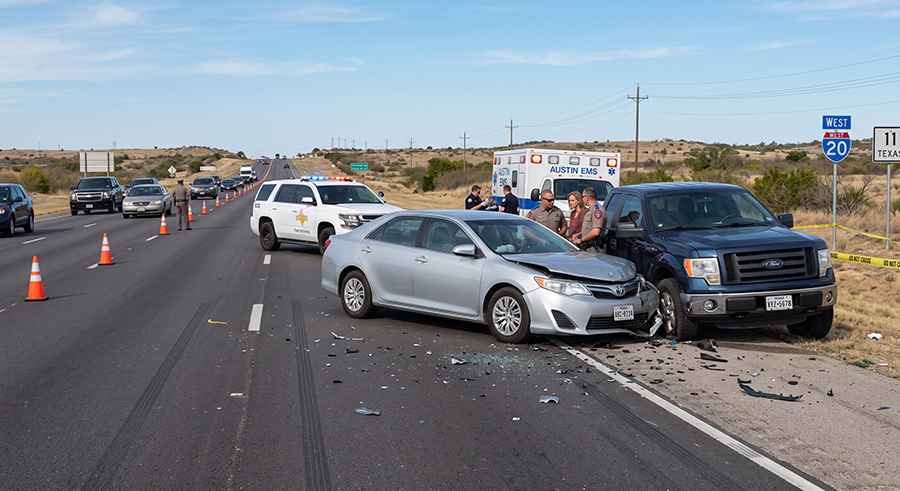
Photographs preserve vehicle deformation, roadway hazards, signs, lane markings, and visible wounds. Investigators may seek surveillance recordings, onboard data, repair estimates, and relevant phone records. A crushed bumper can indicate impact direction, while tire marks may clarify pre-collision movement. Early preservation matters because footage disappears, vehicles undergo repairs, and scene conditions change without notice.
Proving Fault Through Independent Records
Responsibility rarely rests on a single account. Police reports, citations, witness statements, commercial video, and specialist opinions can reinforce a liability theory. Counsel compares each source with the reported sequence, searching for consistent details. An unsafe turn, phone distraction, or failure to yield may become persuasive when separate records identify the same driving behavior.
Connecting Injuries to the Crash
Clinical evidence connects the event with diagnosis, treatment, restrictions, and lasting impairment. Counsel obtains emergency notes, imaging studies, physician assessments, therapy records, and medication histories. A treatment gap may invite questions, so explain any delay with available documentation. Regular appointments and accurate symptom reports help show effects on movement, sleep, employment, and ordinary tasks.
Calculating Financial Losses
A compensation request should rest on documented economic harm. Pay records, tax filings, employer statements, invoices, and benefit information can establish lost wages and medical expenses. Future costs may require opinions from physicians, vocational professionals, or financial analysts. Calculations can include reduced earning capacity, ongoing treatment, household assistance, travel, and injury-related equipment.
Documenting Nonfinancial Harm
Pain, emotional distress, diminished independence, and interrupted family activities may justify additional damages. Personal notes, counseling records, relatives’ observations, and testimony can capture consequences that receipts cannot show. Counsel weighs these effects against injury severity, treatment length, and functional restrictions. Concrete examples carry more weight than general descriptions because they show how daily life changed.
Testing Insurance Coverage
Policies may contain separate limits, exclusions, notice duties, and definitions. Counsel reviews the liable driver’s coverage, the injured person’s policy, household protection, and possible commercial insurance. Other sources may exist after a hit-and-run or underinsured collision. Early policy analysis prevents a claim from depending on one insurer while another applicable source remains overlooked.
Building a Negotiation Record
A demand letter arranges liability evidence, clinical documentation, financial calculations, and quality-of-life effects. Each requested amount should match supporting material. Counsel answers insurer inquiries, challenges unsupported valuation, and adds records as treatment progresses. A well-organized submission gives both parties a factual basis for settlement talks while showing which questions remain unresolved.
Preparing for Court
Court preparation starts before filing. Legal professionals identify witnesses, preserve exhibits, review likely testimony, and anticipate arguments about responsibility or medical care. Experts may explain injury limitations, collision mechanics, or future expenses in accessible language. Preparation also helps injured people testify accurately, without exaggeration or guesses about details they cannot remember.
Avoiding Common Case Errors
Several choices can weaken a potential recovery. Public posts may conflict with reported restrictions, while recorded insurer interviews may omit important context. Signing a broad release before medical progress is clear can end recovery for later-related harm. Missed appointments, missing receipts, and unreported work limits create additional evidence gaps. Legal guidance helps protect records, deadlines, and communications.
Bringing the Case Together
A persuasive compensation case joins credible fault evidence with complete medical documentation and realistic loss calculations. Counsel develops that foundation through interviews, records, specialist input, policy analysis, and disciplined negotiation. Injured people support the process by following treatment instructions, preserving paperwork, reporting changes, and avoiding public case discussions. Preparation cannot promise payment, but it gives decision-makers a reliable basis for fair review and informed resolution.