What Punishing Roads Can Do to a Commercial Truck
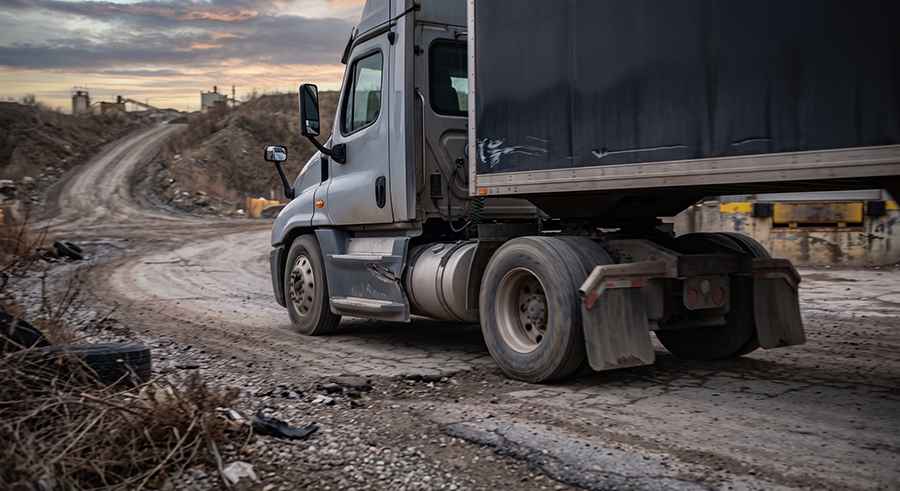
Commercial trucks are built to work hard, but challenging roads can test far more than tires and suspension. Tight turns, rough pavement, debris, loading-dock impacts, steep routes, and minor collisions can leave behind damage that is easy to underestimate when a vehicle still runs.
Drivers and fleet managers dealing with body or structural concerns can visit website resources that cover professional repairs for commercial trucks, trailers, box bodies, frames, fiberglass, paint, and other exterior components. A careful inspection after a difficult journey can help distinguish harmless cosmetic wear from damage that deserves professional attention.
The Road Can Leave Its Mark Without a Major Crash
Not every damaged truck has been involved in a dramatic collision.
Commercial vehicles regularly travel through conditions that put considerable stress on their bodies and exterior components. Poor pavement can create repeated vibration and impact, while narrow roads, tight loading areas, construction zones, and roadside debris introduce opportunities for scrapes, dents, cracked panels, and other damage.
Challenging road conditions can affect both driving safety and vehicle performance, particularly on routes with potholes, sharp curves, debris, or limited visibility.
The lesson is simple: do not judge the condition of a working truck solely by whether it made it back to the yard.
Check the Truck After an Especially Rough Route
Drivers perform routine vehicle checks for good reason, and unusually demanding journeys deserve additional attention.
Walk around the truck in good lighting and look beyond obvious dents. Check whether body panels still sit correctly, doors close normally, exterior components appear secure, and nothing has shifted around the box or trailer.
A new gap between panels can matter. So can a door that suddenly requires more force to latch.
The earlier an unusual change is noticed, the easier it is to have the cause assessed before the vehicle heads out on another demanding run.
Frame Problems Deserve Serious Attention
A commercial truck can look relatively normal from several feet away while having more significant structural concerns underneath.
Frame damage may result from a collision, but it can also become relevant after severe impacts or incidents involving substantial force. Because the frame contributes to the vehicle's structural foundation, this is not an area where visual guesswork is enough.
If a vehicle appears to sit differently after an incident, body gaps have changed, or visible structural damage is present, a professional assessment makes more sense than assuming the problem is cosmetic.
Getting the paint looking right comes later. The structure comes first.
Box Trucks Have Their Own Vulnerabilities
A box truck can remain drivable while damage makes the cargo area much less useful.
Low clearances, loading docks, tree branches, tight delivery points, and backing incidents can damage sidewalls, roofs, rear sections, or doors. Cracked fiberglass and bent metal panels can create additional concerns when the cargo body needs to remain weather-resistant.
For delivery fleets, the ability to secure cargo properly matters just as much as the truck's ability to move.
A damaged door that will not close correctly can take an otherwise operational vehicle out of service.
Road Debris Can Cause More Than a Small Dent
Debris is one of the more unpredictable hazards drivers can encounter on difficult roads. It can require sudden reactions, making it harder to maintain control and increasing the risk of an accident, especially at higher speeds.
When debris strikes a vehicle, the resulting damage should be examined based on where the impact occurred.
A dent in a noncritical exterior area presents a different situation from damage affecting a headlight, windshield, radiator area, body corner, or structural component.
Do not let the size of the visible mark determine how seriously the incident is taken.
Fiberglass Damage Can Spread Beyond the First Crack
Many commercial vehicles and specialty bodies use fiberglass components because the material can be shaped into useful, lightweight forms.
Unfortunately, impact damage does not always create one neat dent.
Fiberglass can crack, split, or lose sections entirely. Leaving those areas exposed may allow a manageable repair to become a more substantial restoration project.
After driving through particularly harsh conditions, inspect fiberglass areas closely. Small cracks around corners, fasteners, and previous repair areas can be easier to miss than obvious missing pieces.
Paint Damage Is Not Purely About Appearance
A work truck represents the company operating it, so appearance certainly matters.
A vehicle covered in scrapes, peeling clear coat, mismatched repairs, and faded paint can make an otherwise professional fleet look neglected.
There is also a practical side. Proper refinishing helps restore the exterior finish after collision or body repairs and can add protection against ongoing environmental exposure.
For fleet vehicles carrying branded graphics or recognizable colors, matching the repaired area to the rest of the body becomes even more important.
A repair should not announce itself every time the vehicle passes a customer.
Difficult Roads Make Preventive Inspections More Valuable
Drivers cannot control every road they encounter.
Poor surfaces, blind curves, abrupt weather changes, debris, remote stretches, and heavy traffic can all create conditions where extra caution is necessary. Preparing the vehicle and anticipating potential hazards can help drivers navigate demanding routes more safely.
Fleet managers can apply the same mindset after the trip.
Vehicles operating on harsher routes may benefit from more frequent body inspections, particularly around high-wear areas.
The purpose is not to send a truck to the shop after every rough road. It is to create a habit of noticing changes before those changes interfere with the vehicle's ability to work.
Get the Truck Ready for the Next Hard Road
A demanding route does not end when the driver reaches the destination.
The truck still needs to be ready to do it all again.
That means treating visible body damage, structural concerns, damaged cargo sections, fiberglass cracks, and compromised exterior components according to what they actually are, not simply how dramatic they look.
Commercial repair specialists can handle vehicles ranging from box trucks and tractors to trailers, utility vehicles, buses, RVs, and fleet equipment, with work extending from minor body correction to significant structural rebuilding.
Difficult roads are unpredictable. Vehicle condition does not have to be. A thorough post-route check and timely professional repair can help keep a hard-working commercial truck prepared for whatever the next stretch of road brings.