How to Prepare Your Van for Rough Roads
Taking your van off the pavement can turn an ordinary road trip into an unforgettable adventure. However, rough roads can put significantly more stress on your vehicle than normal highway driving. Without the right preparation, a minor problem can quickly become a major setback or leave you stranded far from help.
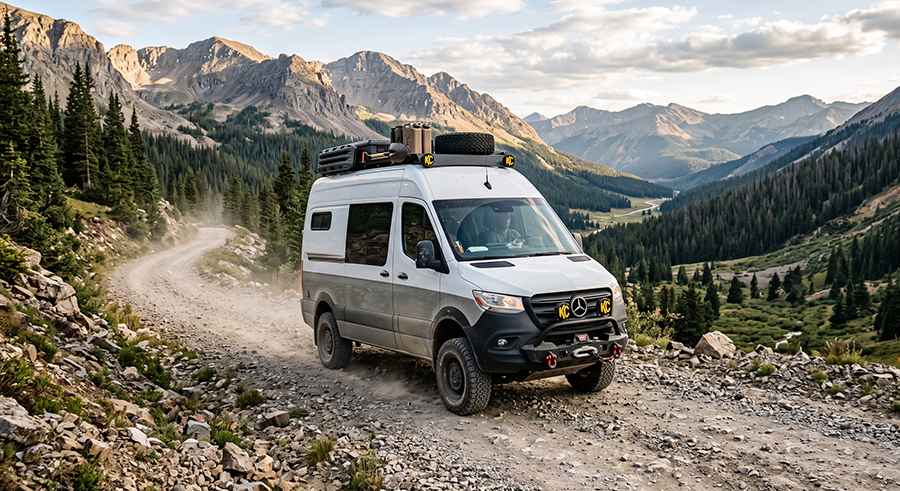
The good news is that you don't necessarily need to hold off on your trip off the beaten path. With the right equipment and supplies, you can make your van much better prepared for challenging roads.
This guide covers the essential steps to prepare your van for rough roads and even a little off-road travel, from upgrading its suspension to packing recovery equipment.
Protect the Undercarriage
The underside of a van can be particularly vulnerable on rough trails. Rocks, deep ruts, and other obstacles can damage components that aren't normally exposed to these hazards during highway driving.
Skid plates can help protect vulnerable areas such as the engine, transmission, and fuel tank from impacts. If you drive a Mercedes-Benz Sprinter, investing in Sprinter skid plates from a trusted equipment supplier is a worthwhile upgrade. Look for reputable companies that provide vehicle-specific fitment information and have a track record of producing quality accessories. Buying from an established manufacturer can also make it easier to find installation instructions and customer support when needed.
Before purchasing, verify that the skid plates are designed for your van’s specific model, year, drivetrain, and configuration. Proper fitment is important because the protection should cover vulnerable components without interfering with suspension movement or other systems.
Upgrade Your Suspension
Your van's suspension takes a beating on uneven terrain. Potholes, rocks, and steep approaches can put considerable stress on suspension components. If you’re planning on traveling on rough roads or often carry a substantial amount of camping and travel gear, consider upgrading to heavy-duty shocks and springs. A stronger suspension can increase durability and help your van absorb repeated impacts more effectively.
For even greater clearance, a suspension lift may be worth considering, particularly if you frequently encounter rocks, deep ruts, or other obstacles. The additional ground clearance can help protect the underside of your van from impacts. However, lift kits should be chosen carefully, as changing the vehicle's ride height can affect handling, wheel alignment, and other components.
Finally, no matter how much you modify your suspension, regular inspections are essential. Before each trip, check for worn or damaged components and look for warning signs such as excessive bouncing or changes in handling. Taking care of these issues before you hit the trails can help prevent a minor suspension problem from turning into a costly breakdown.
Equip Your Van with the Right Tires
Tires are one of the most important upgrades for a van that regularly travels beyond the highway. The right set can improve traction and control, giving you more confidence when navigating rough roads.
Start by choosing tires that match the type of terrain you expect to encounter. All-terrain tires are a versatile option for drivers who split their time between paved roads, dirt tracks, and moderate off-road trails. If you frequently encounter deep mud or more challenging terrain, mud-terrain tires offer a more aggressive tread pattern and enhanced traction. Keep in mind, though, that they can be noisier on pavement and may handle differently during everyday driving.
Once you've chosen the right tires, make sure you're prepared for the possibility of a puncture or other damage. Carry a full-size spare and know how to change it safely. A tire repair kit and portable air compressor are also useful accessories, particularly when traveling far from repair shops or other forms of assistance.
Finally, pay close attention to tire pressure. Adjusting pressure within appropriate limits can improve traction and ride comfort on certain surfaces, but the ideal pressure depends on your van, tires, load, and driving conditions. Follow the vehicle and tire manufacturer's recommendations, and always reinflate your tires to the appropriate pressure before returning to normal road speeds.
Pack Essential Recovery Gear
Even a well-prepared van can get stuck. That's why carrying the right recovery gear is just as important as preparing the vehicle itself.
Start with the basics, including a properly rated tow strap or kinetic recovery rope, rated recovery shackles, and secure recovery points. A sturdy shovel and traction boards are also useful for clearing material around your tires and regaining traction in sand or loose soil.
For more remote or challenging trips, a winch can provide an additional recovery option. However, make sure it is properly matched to your van and installed with appropriate mounting and recovery points.
Just as important as carrying recovery equipment is knowing how to use them safely. Before heading off-road, familiarize yourself with each piece of gear and confirm that your recovery points and equipment are rated for your vehicle. Taking the time to learn basic recovery techniques beforehand can make a stressful situation much easier to manage.
Ready for the Road Ahead
Preparing your van for rough roads is about more than adding a few modifications. It's about creating a vehicle and travel setup that can handle challenging conditions while giving you the equipment and knowledge to deal with unexpected problems.
So, take the time to upgrade and maintain your vehicle and bring the right supplies. With thoughtful preparation and a safety-first approach, you can take on rough roads with greater confidence and fewer surprises.