How Different Road Surfaces Change the Electric Dirt Bike Riding Experience
Two unpaved roads can feel completely different to ride. Packed gravel usually gives a more predictable rhythm; loose stones can make grip harder to read; washboard sections create constant vibration; deep ruts reduce the amount of usable road, and a single spell of rain can quickly turn firm dirt into a slippery surface.
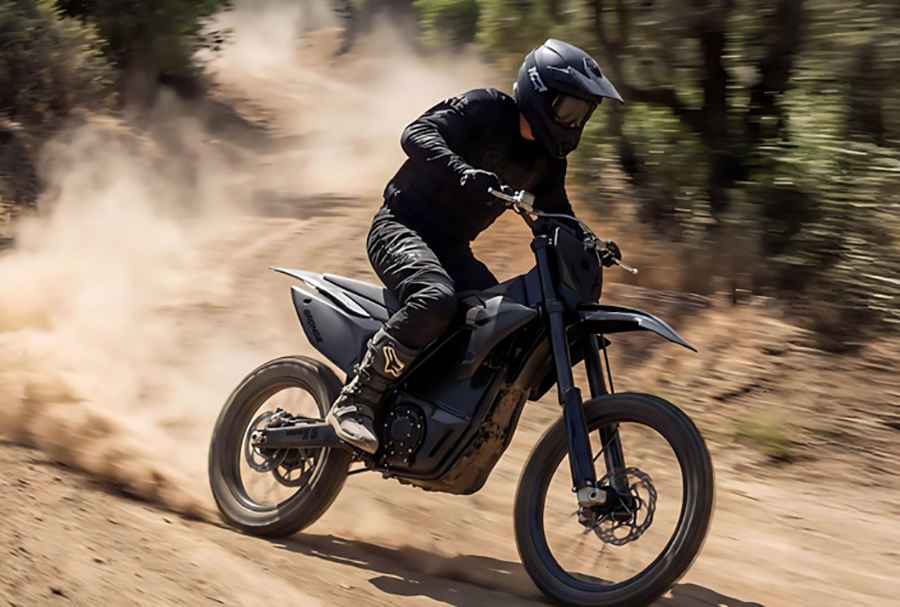
That is why route length is only one part of planning an electric dirt bike ride. Once the route leaves paved ground, the surface under the tyres can directly affect grip, braking, fatigue and how much attention the rider needs to give to the road ahead. On remote unpaved roads, terms such as gravel, packed dirt, washboard, ruts and loose rocks can describe very different levels of vehicle feedback and route difficulty.
Whether a particular route allows electric dirt bikes should still be checked against local motor-vehicle access rules and current road conditions. The road examples below are mainly used to show how different unpaved surfaces can change the riding experience.
Loose Gravel Makes Grip and Vehicle Feedback Less Predictable
Tyre tracks are usually easier to read on packed gravel, but once a thicker layer of loose stone covers the surface, the way the tyres interact with the ground can change noticeably.
This is especially true on bends, slopes and road edges, where stones can shift under the wheels. A route that looks smooth at the entrance may gradually become rougher and more heavily covered in loose rock further in. Jacks Peak is a good example, with sections moving from firmer gravel into areas where loose rock, ruts and erosion become more pronounced.
The main change is not that the road suddenly becomes narrower, but that the bike no longer gives the same stable feedback as it would on firm dirt. Reading the entrance to a bend and the distribution of loose stone ahead, while leaving more room for steering and braking, makes the surface easier to manage than trying to correct everything once already in the loose section.
Washboard Roads Build Up Vibration Over Time
Gravel roads that see regular vehicle traffic often develop a series of repeated transverse ridges known as washboard.
A single ridge may not seem significant, but several miles of washboard make the tyres and suspension work continuously, sending repeated vibration through the bike and the rider. Road descriptions for West Mountain and Jacks Peak both include washboard alongside gravel and rutted sections.
The effect is not limited to comfort. The longer the vibration continues, the more attention the rider has to give to both the condition of the bike and the road ahead, while fatigue also starts to build. Before riding a long washboard section, it is worth checking the condition of the tyres, suspension and vehicle fasteners, as well as allowing for the extra physical strain.
Deep Ruts Reduce the Amount of Road That Is Actually Usable
A rut is more than just a groove in the ground.
After repeated vehicle traffic or water erosion, deep ruts can divide a wide road into several much narrower sections. They may also hide standing water, loose stones or depressions that become deeper without much warning. Pat Knoll, for example, includes a mixture of loose gravel, washboard and deep ruts.
On this kind of road, seeing the direction of the rut early matters more than trying to adjust at the last moment. Once a wheel drops into a deeper channel, the rider has fewer options for changing direction and even a straight section can demand more attention.
Riders using a mini electric dirt bike should not assume that a smaller bike or wheel size provides an automatic advantage in deep ruts. Rut depth, tyre condition, rider experience and the amount of usable ground that remains all affect how the section feels in practice.
Rain Can Change a Dirt Road Very Quickly
Weather can alter an unpaved road faster than the route itself changes.
West Mountain includes sections of gravel, packed dirt and washboard, but summer thunderstorms can quickly make dirt surfaces slippery. On Jacks Peak, sudden rain can turn dry gravel into muddy ground while also creating erosion channels and deeper ruts.
Checking the forecast is therefore about more than deciding what to wear. Heavy rain the day before, recent snowmelt or a temporary road closure can all determine whether a route is suitable to enter that day.
A road that was firm yesterday may be muddy today. The route name has not changed, but the riding experience may be completely different.
Sand and Soft Ground Require More Frequent Direction Changes
Sand and soft soil create another kind of riding experience.
The wheels are more likely to sink or drift with the shape of the surface. For an example of this kind of terrain, the BLM-managed Crossroads OHV Area allows dirt bikes and other OHVs and includes sandy washes, short rocky climbs and open desert terrain.
In this environment, the rider needs to pay closer attention to front-wheel direction and changes in ground feel. A rhythm that works on hard-packed dirt cannot simply be carried over into soft sand. On a first encounter with a longer soft section, it makes sense to learn how the bike reacts before gradually extending the distance.
Remote Routes Magnify the Effect of Changing Road Conditions
Gravel, ruts or mud are easier to deal with when they are close to the starting point and turning back is simple. The same surface becomes a different planning problem when it appears deep into a remote route.
Jacks Peak extends for more than 50 miles, with washboard, ruts, loose gravel and sudden weather changes appearing as the route continues. The farther the rider is from paved roads, the more important the turnaround point and remaining distance become.
Electric off-road riding adds battery planning to that list. Soft ground, gradients and constantly changing surfaces can all affect real-world riding conditions, so longer routes need enough margin for the return journey from the start.
For riders who regularly plan longer adult off-road routes, battery capacity becomes part of the route itself. The Qronge X5 Spark, positioned as a best electric dirt bike for adults, uses a 60V 50Ah, 3000Wh battery. On a longer route, that capacity can be planned alongside the outbound distance, intended turnaround point and return margin rather than leaving the battery calculation until the end of the ride.
Mobile signal, weather, exit points and how easily the bike could be recovered if something goes wrong also matter. Remote terrain makes ordinary changes in road surface more important to prepare for.
Road Conditions Directly Change the Pace of the Ride
Gravel, washboard, ruts, sand and rain-soaked dirt create different problems. The label “unpaved” on its own is not enough to describe what a route will actually be like on the day.
The most useful preparation is to understand the current surface before setting off, keep reading the ground once the ride begins, and then decide how fast to travel, how far to go and when to turn back.
The same electric dirt bike can feel completely different on firm dirt and in deep ruts. A map shows where the road goes; the surface under the tyres determines how that road should be ridden.