The Most Dangerous Types of Car Accidents on American Roads
Car accidents can happen in many ways, but some types are more likely to cause serious injuries or fatalities than others. Head-on collisions, drunk driving crashes, intersection accidents, rear-end collisions, and hit-and-run crashes are among the most dangerous types of accidents on American roads.
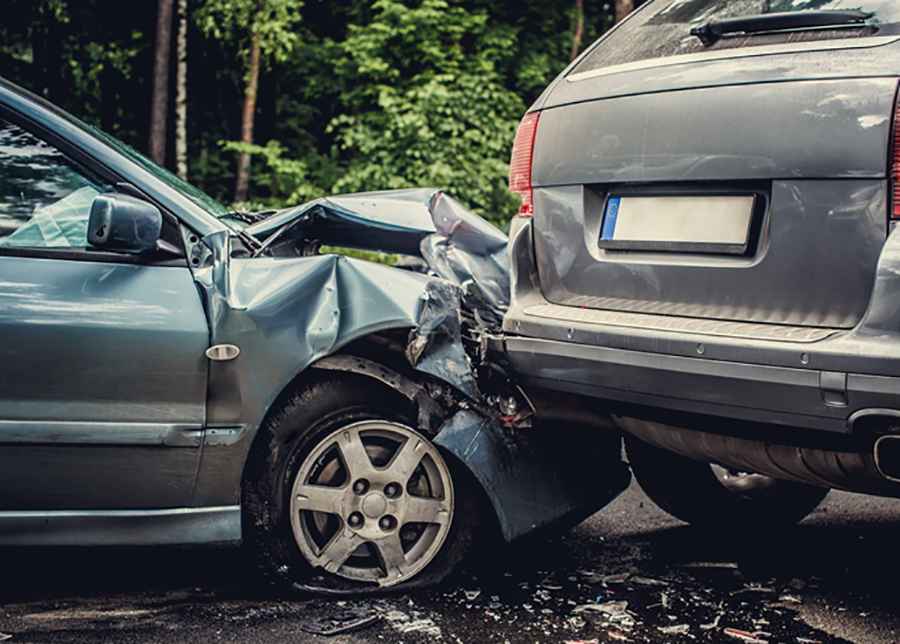
Several factors contribute to these crashes, including speeding, distracted driving, impaired driving, and failing to follow traffic rules. Understanding how different types of accidents happen can help drivers recognize potential dangers and take steps to stay safer on the road.
How Often Do Car Accidents Happen in America?
Modern vehicles have advanced safety features designed to protect occupants during a crash. However, the scale of car accident deaths remains a serious concern across the United States, with thousands of people losing their lives in traffic crashes each year. Serious accidents can also leave victims with long-term or life-changing injuries.
Young and inexperienced drivers may face a higher risk of crashes because they have less experience handling dangerous road conditions and making quick decisions. Distracted driving, speeding, and impaired driving can further increase the likelihood of an accident.
Car crashes can also affect people who are not inside a vehicle. Pedestrians and cyclists face serious risks when drivers fail to yield, speed, or become distracted behind the wheel.
Common Types of Car Accidents
- Rear-end collisions
- Hit-and-run accidents
- Head-on collisions
- Drunk driving accidents
- Intersection accidents
Rear-End Collision
A rear-end collision occurs when one vehicle crashes into the back of another. These accidents commonly happen when a driver follows another vehicle too closely or fails to stop in time.
Rear-end crashes can occur at intersections, in traffic, or on highways. Although some result in minor property damage, they can also cause injuries to the neck, back, shoulders, and head. The severity of the injuries may increase when the collision involves a larger or heavier vehicle.
Hit-and-Run Accident
A hit-and-run accident occurs when a driver involved in a crash leaves the scene without stopping and providing the required information or assistance. This can make an already stressful situation more difficult for the injured person.
When the responsible driver leaves, it may be harder to identify who caused the crash. Victims may need to rely on witnesses, surveillance footage, vehicle descriptions, or other evidence to help determine what happened.
Leaving the scene can also delay emergency assistance, particularly when someone has suffered a serious injury and needs immediate medical attention.
Drunk Driving Accident
Drunk driving remains a serious safety problem on American roads. Alcohol can affect a driver's judgment, reaction time, coordination, and ability to make safe decisions.
An impaired driver may have difficulty maintaining control of the vehicle, recognizing hazards, or responding quickly to changing traffic conditions. A crash involving an intoxicated driver can result in serious injuries or fatalities.
Head-On Collision
A head-on collision occurs when the front of one vehicle strikes the front of another. These crashes can happen when a driver crosses the center line, travels in the wrong direction, or loses control of the vehicle.
Head-on collisions can be especially dangerous because the vehicles are traveling toward each other before impact. The force of the crash can cause severe injuries, particularly when the vehicles are traveling at high speeds.
Intersection Accident
Intersection accidents happen where two or more roads meet. They may occur when a driver runs a red light or stop sign, fails to yield the right of way, turns improperly, or misjudges another vehicle's speed.
Intersections can be particularly challenging because drivers must pay attention to vehicles approaching from several directions. Pedestrians and cyclists may also be present, increasing the potential for serious injuries.
How Can You Avoid Car Accidents?
Drivers can reduce their risk of being involved in a serious crash by following basic safety practices, including:
- Follow posted speed limits and traffic signals.
- Never drive under the influence of alcohol or drugs.
- Avoid using your phone or engaging in other distractions while driving.
- Maintain a safe following distance.
- Pay attention to surrounding vehicles, pedestrians, and cyclists.
- Adjust your driving to weather and road conditions.
- Always wear a seat belt.
Safe driving requires constant attention and good judgment. By recognizing common crash risks and following basic traffic safety practices, drivers can reduce the likelihood of an accident and help protect everyone on the road.
Key Takeaways
- Car accidents can occur in many forms, including rear-end, head-on, intersection, drunk driving, and hit-and-run crashes.
- Distracted driving, speeding, and impaired driving can increase the risk of a serious accident.
- Head-on collisions can be particularly dangerous because of the force involved when vehicles traveling in opposite directions collide.
- Intersection accidents can involve vehicles, pedestrians, and cyclists.
- Following traffic laws and remaining attentive can help reduce the risk of a crash.