Budget Road Tripping: How Young Travelers Can Afford the World's Most Scenic Drives
There's a particular kind of silence that hits right before sunrise on a coastal road. No traffic, no noise, just the hum of tires on asphalt and a horizon that hasn't decided what color it wants to be yet. That moment is why people chase scenic drives in the first place.
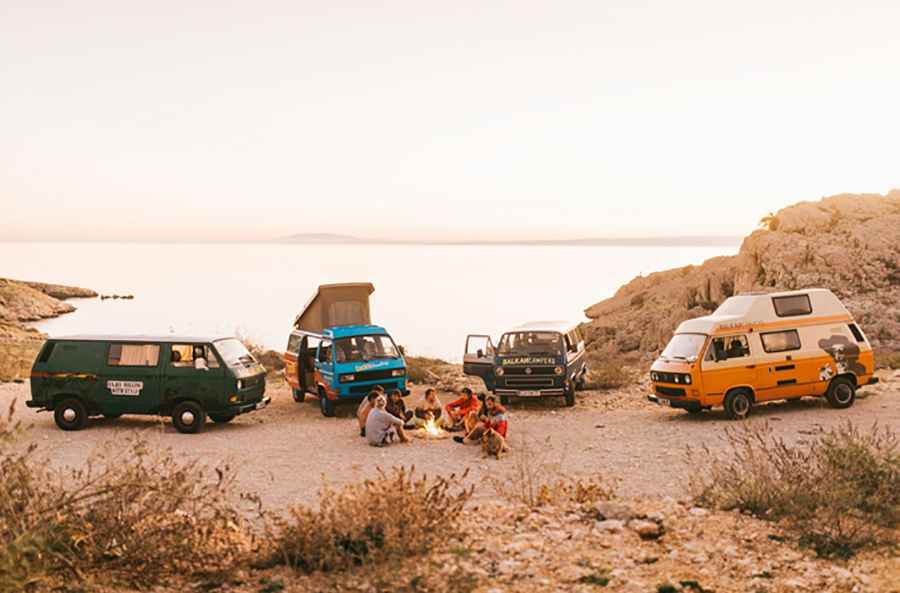
And yet, so many young travelers assume it's out of reach, locked behind rental fees, gas prices, and hotel bills they simply can't justify. It doesn't have to be that way. With the right planning, some of the world's most breathtaking routes are far more accessible than their reputation suggests.
Pick Routes That Are Secretly Budget-Friendly
Not every iconic drive comes with an iconic price tag. Ireland's Wild Atlantic Way, for instance, is free to drive in its entirety, with most of its best viewpoints requiring nothing more than a parking spot and a bit of patience for the weather to clear.
Vietnam's Hai Van Pass costs next to nothing in tolls and can be tackled on a rented scooter for a fraction of what a car would cost. Even stretches of the American Southwest, often imagined as expensive, can be surprisingly cheap outside peak season if you're willing to skip the big-name lodges.
The trick is doing a little homework before you go. Toll roads, park entrance fees, and border-crossing costs vary wildly by country, and a route that looks affordable on a map can quietly rack up charges you didn't anticipate.
A quick search before departure can save both money and frustration once you're already on the road. Check current toll rates, seasonal park fees, and any visa or border-crossing costs before setting out.
Sort Out the Vehicle Without Overspending
The car itself is usually the biggest line item, so this is where the real savings happen. Traditional rentals work, but car-sharing apps often undercut them significantly, especially for longer trips.
In places like Australia, some travelers buy a cheap used car at the start of a multi-week route and resell it near the end, effectively turning transportation into a much smaller expense. It takes a bit more effort, including inspections, paperwork, and patience, but the payoff can be substantial.
If you're traveling with friends, splitting a single rental beats everyone booking separately. Don't underestimate how much fuel you can save simply by planning a route that doesn't double back on itself. A little forethought in the itinerary stage pays off every time you fill the tank.
Sleep and Eat Without Draining Your Wallet
Accommodation is where costs either spiral or stay sane, and it usually comes down to flexibility. Camping remains one of the cheapest ways to experience a scenic route, and in many countries, wild camping or overnight parking in designated rest areas is either free or nearly so.
Hostels fill the gap when you want a proper bed without hotel prices. House-sitting platforms can also occasionally land you a free stay in exchange for looking after someone's home or pets for a few nights.
Food follows the same logic. Cooking with a portable stove and stocking up at small-town grocery stores costs a fraction of restaurant meals, and it often means better food anyway. Local bread, cheese, or produce can turn a basic roadside meal into something far more memorable.
Online communities built around road tripping, along with local tourism boards, frequently share discounts or lesser-known free spots that don't show up in guidebooks.
Keep Your Money Organized on the Move
Managing finances while constantly crossing borders or bouncing between towns is its own skill. Budgeting apps that track spending in real time can help prevent the slow leak of small purchases that add up fast.
Prepaid travel cards can reduce the risk of losing access to funds, and knowing the current exchange rate before you arrive somewhere helps you avoid getting shortchanged at a roadside stop.
Many young travelers set things up before they even leave home by opening student checking accounts, which typically come with lower or waived foreign transaction fees and mobile banking features suited to unpredictable, multi-stop travel.
Having that kind of account as a financial base makes it much easier to manage money across several countries without losing a chunk of it to fees along the way. Beyond that, keeping a small emergency fund separate from your daily spending money means one flat tire or unexpected toll doesn't throw off the whole trip.
Find the Free Moments
Some of the best parts of any scenic drive don't cost anything at all. A pullout with a view, a hiking trail branching off from the main road, or a market in a town too small to be on most itineraries can easily become the highlight of the trip.
Timing your journey around free-entry days at national parks or landmarks can shave real money off an itinerary. Building your days around nature instead of paid attractions also tends to make the whole trip feel less rushed.
Plan Smart, Travel Longer
Off-season travel remains one of the most effective ways to cut costs across the board. Lodging is often cheaper, crowds are lighter, and the weather may be better than you'd expect.
Traveling in a small group and splitting costs stretches a budget further than solo travel usually can. Staying flexible with your route also lets you take advantage of last-minute deals on ferries, fuel, or accommodation that a rigid itinerary might miss entirely.
The world's most scenic drives were never meant to be reserved for people with unlimited budgets. With a bit of planning, a flexible mindset, and a willingness to camp instead of checking into a hotel now and then, that sunrise on the coastal road is well within reach. All it takes is deciding to go.