What Happens to Your Car After a Long Road Trip? 9 Things to Check
A long road trip can be hard on a vehicle even when everything appears to be working normally. Hundreds or thousands of miles can expose a car to heat, rain, dust, gravel, heavy traffic, steep grades, road debris and changing road surfaces. By the time you return home, your vehicle may need more attention than a quick trip through the car wash.
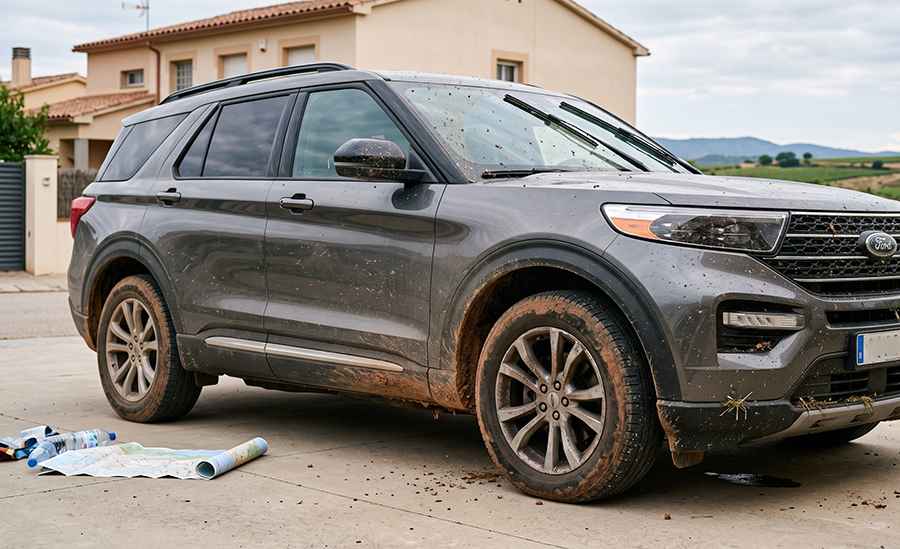
Some of the effects are easy to see. The windshield may be covered with insects, the wheels may have a thick layer of brake dust, and the exterior may be coated with dirt. Other issues are less obvious. Tires can lose pressure, small fluid leaks can become apparent, and debris can collect underneath the vehicle.
A post trip inspection does not need to be complicated. The goal is to identify anything that needs mechanical attention, remove contaminants before they cause problems, and restore the areas of the vehicle that took the most abuse during the journey.
Here are nine things worth checking after a long road trip.
1. Inspect the Tires for Damage and Uneven Wear
Tires are among the first parts of a vehicle that deserve attention after a long drive.
Road trips expose tires to extended periods of heat and friction. Potholes, rough pavement, gravel and road debris can also cause cuts, punctures or sidewall damage. NHTSA recommends inspecting tires before long trips and checking for cuts, punctures, bulges, cracks and other visible damage. Tire pressure should be checked when the tires are cold and compared with the vehicle manufacturer's recommended pressure.
After returning home, look at all four tires and the spare if your vehicle has one.
Check for:
- Uneven tread wear
- Visible punctures
- Cracks or cuts in the sidewall
- Bulges or unusual deformation
- Embedded stones or other debris
- Changes in tire pressure
Uneven wear can also point to an alignment, suspension or tire balance problem. If you notice anything unusual, have the vehicle inspected by a qualified tire professional rather than assuming it will correct itself.
A tire inspection is especially important after driving on rough or remote roads where sharp rocks and potholes may not have been easy to avoid.
2. Check the Brakes After Mountain or Heavy Traffic Driving
Long trips can involve considerably more braking than normal daily driving. Mountain roads are particularly demanding because repeated downhill braking generates heat.
You do not need to remove the wheels to perform a basic check. Pay attention to how the brakes feel and sound during your first few drives after returning.
Warning signs include:
- Grinding or scraping sounds
- Steering wheel vibration while braking
- A brake pedal that feels unusually soft
- Pulling to one side while braking
- A burning smell after normal driving
These symptoms should not be treated as a cleaning issue. They can indicate a mechanical problem that requires professional inspection.
AAA recommends checking the brake system as part of road trip vehicle preparation, particularly when drivers notice grinding noises or vibration during braking.
If your trip involved steep mountain roads, frequent stops or heavy loads, a brake inspection is a sensible part of post trip maintenance.
3. Look Under the Hood and Check Fluid Levels
A long drive can make an existing mechanical problem easier to spot.
Once the engine has cooled, inspect the areas under the hood that your vehicle's owner's manual identifies for routine checks. Look at the engine oil, coolant and other applicable fluids. Also look for signs of leakage.
NHTSA recommends checking engine oil, coolant, brake fluid, transmission or clutch fluid, power steering fluid where applicable, and windshield washer fluid as part of road trip vehicle care.
You should also pay attention to anything unusual beneath the vehicle after it has been parked.
A small puddle does not automatically mean a serious failure, since some water may come from normal air conditioning operation. However, fluid with an unusual color, smell or consistency deserves investigation.
Do not attempt to diagnose an unfamiliar leak based only on its appearance. If you see fluid where it should not be, have the vehicle checked by a mechanic.
4. Clean Road Grime From the Exterior
This is where the effects of a long road trip become obvious.
The front bumper, hood, mirrors and windshield can collect insects and other organic material. The lower doors and rear section can accumulate road film, mud and dust. Wheels can become covered in brake dust, while gravel roads can leave fine particles across the body.
A normal rinse may remove loose dirt, but it does not always remove everything that accumulated during a long journey.
Pay particular attention to:
- Front bumper and grille
- Side mirrors
- Hood
- Windshield
- Wheel faces
- Wheel wells
- Lower doors
- Rear bumper
- Trunk or hatch area
- Areas underneath the vehicle that are accessible for cleaning
The longer contaminants remain on a vehicle, the harder they can become to remove. This is particularly relevant after trips through areas with heavy insect activity, mud or road salt.
For vehicles that have traveled through several different environments, a thorough exterior cleaning can also make it easier to spot scratches, chips and other damage that may have occurred during the trip.
5. Do Not Ignore the Undercarriage
The underside of a vehicle is easy to forget because it is largely out of sight.
That does not mean it escaped the journey.
Mud, sand, gravel, road salt and other debris can collect underneath the vehicle. Remote roads can be particularly demanding because loose material can reach areas that receive little attention during ordinary washing.
Dangerous Roads already emphasizes post trip cleaning and inspection for vehicles returning from challenging routes, including attention to the undercarriage and contaminants collected during difficult drives.
If you have driven through muddy terrain, winter conditions or dusty back roads, consider having the underside cleaned as part of your post trip maintenance.
Avoid directing high pressure water toward electrical components, sensitive seals or other areas where the vehicle manufacturer advises against it. When in doubt, follow the cleaning guidance in the owner's manual.
6. Give the Windshield and Lights a Proper Cleaning
Visibility can deteriorate quickly when a vehicle accumulates road film.
A windshield that looks reasonably clean from the driver's seat may still have a thin layer of dust, oil and insects across its surface. At night, that film can scatter light from headlights and make glare more noticeable.
Clean both sides of the windshield and inspect the wiper blades. If the blades leave streaks, skip across the glass or make unusual noises, they may need replacement.
The exterior lenses of the headlights, brake lights and turn signals should also be cleaned. Dirt and insects can make lighting less effective and can make it harder for other drivers to see your vehicle.
NHTSA includes wiper blades, windshield washer fluid and vehicle lights among the items drivers should check as part of road trip preparation.
A clean windshield is not simply a cosmetic improvement. It directly affects what the driver can see, especially when driving at night or into low sunlight.
7. Empty and Deep Clean the Interior
After several days on the road, the interior often tells the story of the trip.
Food wrappers, drink containers, dust, sand, dirt and crumbs can accumulate quickly. If passengers have spent long hours inside the vehicle, seats and carpets can also pick up body oils, food residue and odors.
Start by removing everything that does not belong in the vehicle. Check under the seats, inside door pockets, cup holders, the center console and the cargo area.
Then vacuum the:
- Carpets
- Floor mats
- Seats
- Seat gaps
- Cargo area
- Trunk
- Dashboard
- Door pockets
For fabric seats and carpets, stains should be treated according to the material and the manufacturer's recommendations. Leather and synthetic upholstery require different cleaning methods, so avoid applying a strong household cleaner without checking whether it is suitable for the surface.
This is also a good opportunity to clean areas that are often skipped during routine car washing, such as air vents, seat rails, cup holders and the spaces between interior panels.
A long road trip can leave behind more than a few crumbs and dusty floor mats. If the interior has picked up stains, odors, sand or dirt that a quick vacuum cannot handle, a professional car detailing service can be worth considering. Detailers can clean areas that are commonly missed during routine cleaning, while a thorough exterior detail can remove road grime and make minor paint damage easier to spot. Try looking for a good car detailing service near you as a convenient option when you want the vehicle cleaned without spending several hours doing it yourself.
The important point is timing. Cleaning soon after the trip makes it easier to deal with dirt and spills before they become more difficult to remove.
8. Check for Chips, Scratches and Road Debris
Long stretches of highway and gravel roads can expose the exterior to stones and other debris.
Walk around the vehicle in good daylight and inspect the front bumper, hood, mirrors, doors and lower body panels. Look for small paint chips, scratches and marks that were not there before the trip.
Do not assume every mark requires immediate repair. Some surface contamination can look like paint damage until it has been properly cleaned.
Tar and road residue can also accumulate around the lower body and wheel areas. These substances should be removed using products and techniques appropriate for automotive paint.
If you find a genuine paint chip, document it and consider having it repaired before moisture and contaminants have more opportunity to affect the exposed area.
A clean vehicle makes this inspection easier because dirt can hide minor damage.
9. Check the Cabin Air and Engine Air Filters
Dusty roads can put extra demand on a vehicle's filtration systems.
The engine air filter helps keep contaminants from entering the engine's intake system, while the cabin air filter helps filter air entering the passenger compartment. The replacement schedule varies considerably between vehicles and driving conditions.
A long trip through dusty areas may justify checking the filters sooner than the standard maintenance interval.
If you spent time on gravel roads, desert routes or unpaved roads, mention those conditions to your mechanic when asking about filter inspection.
A clogged cabin air filter can also affect airflow through the ventilation system. If the air conditioning or heating system seems weaker than before the trip, the filter is one of several things worth checking.
Why Post Trip Cleaning Is More Than Cosmetic
It is easy to think of detailing as something done only when a vehicle needs to look good. After a demanding road trip, cleaning serves another purpose.
A thorough cleaning gives you an opportunity to inspect the vehicle.
Dirt can hide small paint chips. Mud can cover components underneath the car. Road film can obscure damage to exterior surfaces. Spills left inside the cabin can become harder to remove with time.
Cleaning also removes contaminants that should not be allowed to sit on automotive surfaces indefinitely.
That does not mean every long road trip requires professional detailing. A driver who spent a weekend on clean highways may only need a normal wash, vacuum and inspection. A vehicle that traveled through gravel roads, mud, snow, salt or dusty backcountry routes may benefit from a much more thorough cleaning.
The conditions of the trip should determine how much attention the vehicle receives afterward.
What Should You Check First After a Long Road Trip?
If you have just returned from a particularly demanding journey, start with the items that affect safety and mechanical condition.
A sensible order is:
- Check the tires for damage and pressure.
- Test the brakes during normal driving.
- Look for fluid leaks.
- Check important fluid levels.
- Inspect the lights and windshield.
- Remove dirt from the exterior.
- Clean the undercarriage where appropriate.
- Deep clean the interior.
- Inspect the body for chips and scratches.
- Check filtration if the trip involved heavy dust.
NHTSA and AAA both recommend paying particular attention to tires, brakes, fluids, batteries and other vehicle systems when preparing for or returning from long distance travel.
When Should You Take Your Car to a Mechanic?
Cleaning cannot fix a mechanical problem.
If the vehicle develops new noises, warning lights, steering problems, brake issues, overheating, unusual vibrations or fluid leaks after a road trip, have it inspected by a qualified professional.
The same applies if you notice damage underneath the vehicle or changes in how it drives.
A post trip inspection is particularly worthwhile after driving on rough roads because damage is not always visible from outside the vehicle.
For routine maintenance, follow the manufacturer's maintenance schedule rather than relying only on mileage from the trip itself.
The Road Trip Does Not End When You Reach Home
A successful road trip is about more than reaching the destination and getting back safely. The vehicle that carried you there deserves a quick assessment after the journey, especially if the route involved rough roads, extreme weather, steep grades, gravel or long stretches of remote driving.
Start with the things that affect safety. Check the tires, brakes, fluids and lights. Then turn your attention to the dirt and debris collected along the way.
A clean car also gives you a better chance of spotting small problems before they become bigger ones.
For most drivers, a post trip routine does not need to take an entire day. A careful inspection, followed by the appropriate cleaning and maintenance, can leave the vehicle ready for the next journey.
After all, the next challenging road may already be on the map.