Planning an RV Trip Through Remote Roads
Remote roads test an RV differently than highways do. Cell service drops out. Repair shops disappear. Fuel stops get farther apart. Planning for that reality before you leave matters more than any packing list.
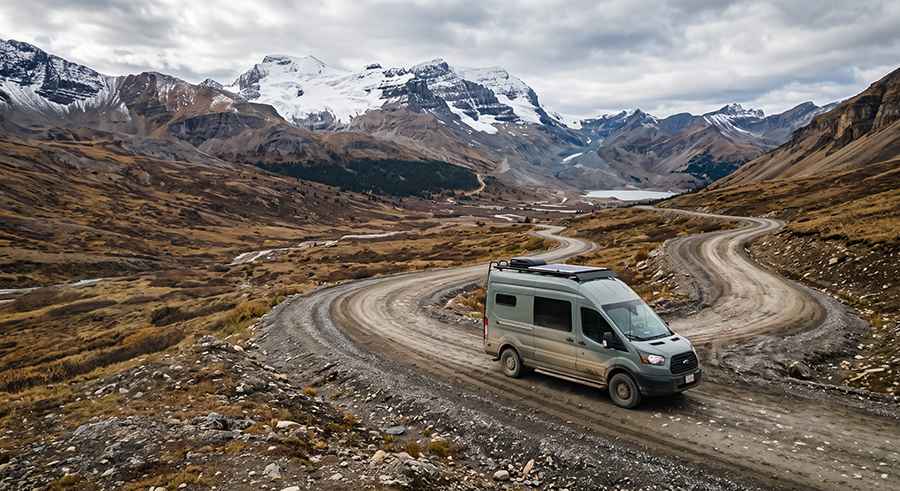
Research the Route Before You Commit
Start with the road itself, not the destination. Elevation changes, surface type, and seasonal closures all affect how an RV handles a remote route.
Check recent trip reports from other RVers who drove the same road. Forums and RV-specific route planning apps often flag low bridges, tight switchbacks, and grades that are rough on larger rigs. A route that works fine for a sedan can be a serious problem for a 30-foot motorhome.
Confirm your vehicle's clearance and width against the narrowest points on the route. Guessing here causes more stranded RVs than mechanical failure does.
Check the weather forecast for the entire route, not just the departure point. Storms and snowmelt can close mountain passes with little warning, and a route that's clear in the morning can be impassable by afternoon.
Build In a Financial Buffer for the Unexpected
Remote routes cost more than planned mileage suggests. Detours, emergency repairs, and unplanned tows all add expenses that a tight budget can't absorb.
Before a remote trip, review your loan payment against your monthly cash flow. If your RV payment leaves little room for a financial buffer, it's worth looking into RV loan refinancing to lower that payment and free up funds for trip contingencies. A lower monthly obligation gives you more room to absorb an unexpected repair bill on the road.
Set aside a separate contingency fund specifically for remote travel. Standard trip budgets rarely account for a $500 tow bill in an area with only one available service provider.
Plan for Limited Connectivity
Cell coverage thins out fast once you leave populated areas. Assuming you'll have signal for navigation or emergency calls is a common and costly mistake.
Download offline maps before departure. Apps that require live data become useless the moment signal drops. A physical paper map as backup costs nothing and never runs out of battery.
Consider a satellite communicator for routes with extended dead zones. These devices send emergency messages and location data even without cell service, which matters if a breakdown happens miles from the nearest town.
Prepare for Slow Roadside Assistance
Roadside help takes longer on remote roads, and RVs need equipment that standard tow trucks often don't carry.
A 2025 FMCA survey found that the median response time for RV roadside assistance runs about 2 hours and 40 minutes nationally. On remote routes, wait times climb well past that average, especially overnight or on weekends.
Carry tools and parts for common failures you can fix yourself. A flat tire or a blown fuse shouldn't strand you for hours waiting on a tow truck that has to drive in from far away.
Stock Supplies for Extended Self-Sufficiency
Remote roads often mean long stretches between towns with fuel, water, or grocery access. Plan supplies for more days than your route technically requires.
Pack these essentials before any remote route:
- Extra drinking water, beyond your tank capacity
- Non-perishable food for at least two extra days
- A backup fuel container, checked against local regulations
- Basic tools for tire, electrical, and plumbing fixes
- A first aid kit stocked for minor injuries
- Paper maps covering the full route and any detours
Running low on any one of these turns a minor delay into a real problem.
Check Road Conditions and Permits Before Departure
Some remote roads require permits, seasonal access windows, or specific vehicle restrictions. Skipping this step can mean turning around after hours of driving.
Call local ranger stations or transportation departments ahead of time. Websites don't always reflect current closures, especially after storms or seasonal weight restrictions.
Keep printed copies of any required permits in the vehicle. Some checkpoints in remote areas don't have reliable signal to verify a digital pass, and a printed copy avoids delays at the gate.
A remote RV trip rewards preparation more than any other kind of travel. Route research, financial cushioning, communication backup, and supply planning all work together to keep a remote trip from turning into an emergency.