Common Causes of Motorcycle Crashes and Available Remedies
Motorcycle crashes usually begin with a small failure that grows fast: a missed glance, a rushed turn, uneven pavement, or delayed braking. Because riders lack the metal frame that protects car occupants, the body is exposed to far more force during impact. Head trauma, chest injury, fractures, and skin loss can follow within seconds. Clear prevention habits, better road awareness, and prompt post-crash action help limit damage and support a steadier recovery path.
Blind Spots
Many serious wrecks occur when a driver shifts lanes without truly seeing the motorcycle beside the vehicle. Dense traffic, fading light, and mirror dependence raise that danger. After a violent collision, medical records, witness statements, and scene images often shape what follows. In disputed claims, a motorcycle accident lawyer in Syracuse may assess fault, treatment costs, wage loss, and insurer pushback under New York rules.
Left Turns
Left-turn impacts remain a leading source of severe rider injury. A driver may misread closing speed, then cross directly into the motorcycle's line. That movement leaves little space for braking or swerving. Riders can lower exposure by easing off the throttle near intersections and covering both controls. Public safety messaging also helps drivers judge motorcycle approach more accurately.
Distracted Driving
Eyes leave the road for only seconds, yet that lapse can produce spinal trauma or brain injury. Phones, dashboard screens, food, and conversation all reduce visual processing. A distracted motorist may drift sideways or brake too late. Stronger enforcement has value, though daily discipline matters just as much. Riders are safer when they expect nearby drivers to miss important cues.
Speed Mismatch
Large speed differences shorten reaction time for everyone sharing the lane. A fast rider has fewer seconds to read brake lights, gaps, or turning tires. A speeding driver also loses stopping distance and control margin. Safer travel depends on a steady pace, a wider following space, and calmer lane choices. Those habits give the nervous system more time to process threats.
Unsafe Lane Changes
Some motorists still treat motorcycles as small obstacles rather than full vehicles. That error leads to sideswipes, crowding, and abrupt cutoffs. Riders cannot rely on courtesy during busy travel periods. Strong lane position, early signaling, and visible gear improve recognition. Driver education should also stress a simple point: every motorcycle deserves the entire lane, every trip.
Road Hazards
Loose gravel, potholes, pooled water, and raised plates can destabilize a motorcycle almost instantly. Cars often cross the same surface with little disturbance, which masks the danger from other road users. Maintenance crews reduce harm through rapid repair and clear warning signs. Riders help themselves by scanning farther ahead and slowing before rough patches. Road defects can also affect legal responsibility.
Impairment
Alcohol, drugs, and sleep loss all interfere with judgment, balance, and reaction speed. Those effects matter for riders and drivers alike. Night travel often adds poor visibility to already weakened decision-making. Prevention is simple; no one should ride or drive while impaired. Friends, restaurants, and event planners can help by arranging safe transportation before the evening begins.
Weather Limits
Rain, wind, fog, and cold pavement all change traction and sight distance. Painted markings and metal covers become slick, especially during early rainfall. Riders need smoother braking and slower corner entry under those conditions. Drivers should leave more space around motorcycles during storms or gusts. If the surface feels uncertain, postponing the trip may prevent major physical harm.
Helmet and Gear Gaps
Protective equipment cannot prevent a collision, yet it can reduce tissue damage and head injury severity. A certified helmet lowers the chance of fatal brain trauma. Jackets, gloves, boots, and reinforced pants help limit abrasion and fracture exposure. Bright outer layers also improve visibility. Consistent use matters more than owning expensive gear that stays in a closet.
Training and Skill
Some crashes reflect poor corner judgment, panic braking, or weak hazard perception. New riders are vulnerable, but long breaks from riding can also dull reflexes. Refresher courses improve scanning, braking pressure, and evasive movement. Practice in a controlled setting helps the brain respond with less panic. Repetition builds safer muscle memory before a sudden emergency occurs.
After the Crash
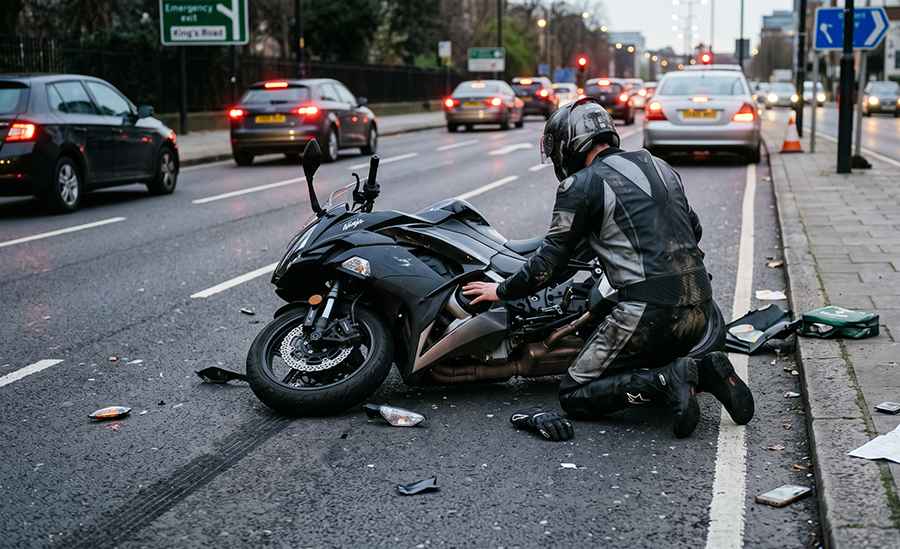
The first hour after impact can shape both healing and financial recovery. Medical evaluation should come first, even if pain seems delayed or mild. Adrenaline often hides concussion symptoms, internal bleeding, or soft tissue injury. Photos, witness names, damaged gear, and police documentation preserve useful facts. Early legal guidance may also clarify claim deadlines and available compensation routes. Firms such as Stanley Law represent injured motorcyclists in and throughout New York, helping them understand their legal options.
Conclusion
Most motorcycle crashes follow familiar patterns: reduced visibility, distraction, excess speed, surface defects, or impairment. Each pattern has a practical remedy, and many begin with better judgment before a ride starts. Protective gear, regular training, road maintenance, and cautious driving all reduce bodily harm. When a serious collision does occur, prompt medical care, careful documentation, and informed support can make recovery more stable.