Common Mistakes to Avoid When Changing Bike Spark Plugs
A quick plug change can feel like the simplest job in the shed, right up until something small goes wrong and the engine lets you know about it. It is one of those tasks that invites confidence, especially once you have done it a few times.
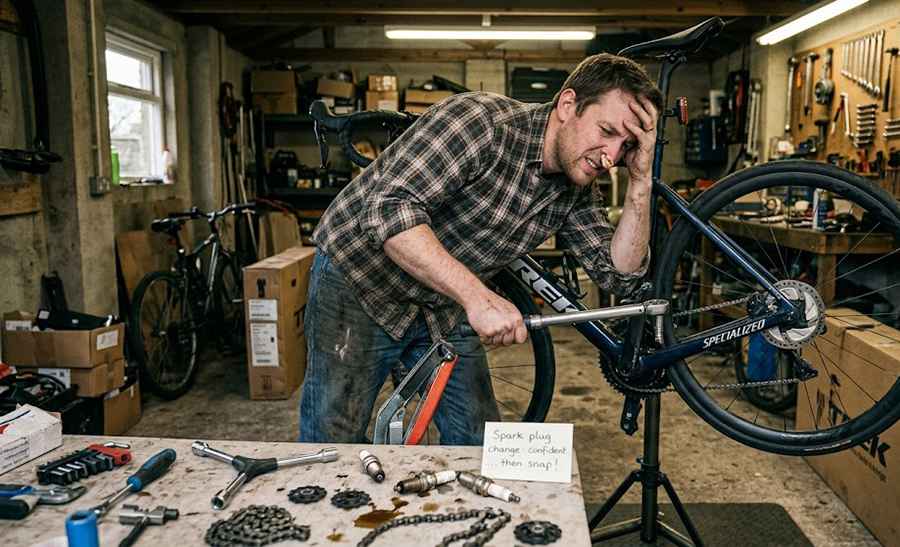
Riders picking up bike spark plugs in NZ for a weekend tune-up often expect a straightforward swap, yet the margin for error is narrower than it seems.
Preparing The Work Area Before You Touch Anything
It is tempting to jump straight in with a socket and get the old plug out. That is usually where trouble begins. The area around the plug tends to collect dust, grit, and the sort of fine debris you barely notice until it causes damage.
Once the plug starts to loosen, anything sitting there has a clear path into the combustion chamber. From there, it does not take much for scoring to begin on cylinder walls or piston rings. A few seconds with compressed air or even a careful brush changes the outcome entirely. It is not glamorous prep work, but it saves you from problems that show up much later.
Getting The Thread Started Without Forcing It
There is a certain impatience that creeps in during reassembly. The plug looks aligned, the thread feels close enough, and the instinct is to reach for a wrench. That is where aluminium cylinder heads can catch you out.
Threads in softer metals do not forgive rushed starts. If the plug does not turn easily by hand, something is off. Back it out, reset, and try again. It might feel overly cautious, but that tactile feedback through your fingers is far more reliable than any tool. Once a thread is damaged, you are no longer dealing with a routine job. You are looking at repairs that quickly outweigh the time you tried to save.
Finding The Right Balance When Tightening Plugs
Ask three riders how tight a spark plug should be and you will likely get three different answers. Some lean toward firm and done, while others prefer a cautious approach. Neither extreme works particularly well.
Overtightening brings its own set of problems, from seized plugs to cracked insulators. Too loose, and the plug struggles to dissipate heat properly or worse, works itself free under pressure. The sweet spot sits exactly where the manufacturer intended it, which is why torque specs exist in the first place.
A torque wrench makes this straightforward. Without one, you are relying on feel and guidelines that are easy to misjudge. It is not about being overly technical. It is about consistency, especially if you plan to maintain your bike long term.
Paying Attention To Compatibility And Heat Range Choices
Not all spark plugs are interchangeable, even when they appear to fit. The heat range, material, and design all play a role in how the engine performs over time. It is easy to assume that a plug is a plug, particularly when browsing options or grabbing what is available.
Using the wrong type can lead to poor combustion, fouling, or overheating. None of these show up instantly, which makes the mistake harder to trace back. Checking the manufacturer’s recommendations might feel like an extra step, but it grounds your choice in how the engine was designed to run.
There is also a tendency to upgrade without fully understanding why. High-performance plugs have their place, though they are not a universal improvement. Sometimes the standard option is exactly what the engine needs.
Recognising When A Simple Job Needs A Second Opinion
Most riders enjoy the independence that comes with handling their own maintenance. There is a certain satisfaction in knowing your machine inside out. Still, not every issue that surfaces during a plug change is as simple as it looks.
If threads feel inconsistent, deposits seem unusual, or the engine behaviour shifts after the change, it may be worth pausing. Experienced technicians tend to spot patterns that are easy to miss in isolation. That outside perspective can prevent a minor concern from developing into something more involved.
Final Thoughts
Changing spark plugs sits right at the intersection of routine and precision. Done carefully, it keeps the engine running clean and responsive. Rushed or handled casually, it opens the door to avoidable wear and frustration.
A clean workspace, a patient approach to threading, and attention to tightening all make a noticeable difference. Add in the right components and a willingness to double-check your work, and the job becomes far more predictable. It is a small task on paper, though the care you bring to it tends to echo through every ride that follows.