How Fault Is Determined in Distracted Driving Accidents in Tucson
Distracted driving accidents can happen to anyone. When a crash occurs, injured drivers and passengers often want to know who was at fault. Establishing liability involves examining available evidence to determine whether a driver's distraction contributed to the collision.
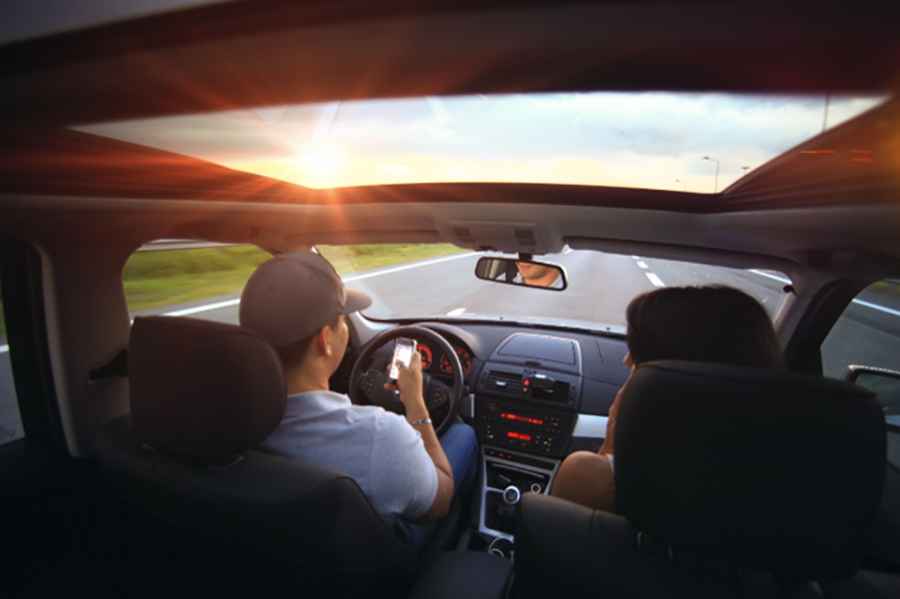
Knowing how liability is established is an important first step in pursuing compensation. That is why many people seek legal guidance after an accident caused by someone who was distracted while driving. An attorney can investigate the crash, gather evidence, and help determine who may be legally responsible for your injuries and other losses.
What Evidence Is Used to Determine Fault in a Distracted Driving Accident?
Determining fault requires a careful review of the following evidence:
Police Reports
Police reports are often one of the first pieces of evidence reviewed after a distracted driving accident. Officers who respond to the scene document important details, including the location of the crash, vehicle positions, road conditions, statements from the drivers and witnesses, and any traffic citations issued.
For example, if an officer notes that a driver admitted to looking at a mobile phone just before the collision or issued a citation for distracted driving, that information may help establish liability.
Witness Statements
Independent witnesses can provide valuable information about what happened before and during the accident. Under Federal Rule of Evidence 701, lay witnesses are permitted to testify based on their own personal observations, meaning their firsthand accounts of what they saw are admissible in court. Because they are not directly involved in the collision, their observations can help confirm whether a driver appeared distracted or engaged in unsafe driving behavior.
For example, a nearby driver or pedestrian may report seeing someone looking down at a phone instead of watching traffic immediately before rear-ending another vehicle.
Cellphone and Electronic Evidence
Cellphone records and electronic device data may help determine whether a driver was using a phone or other device at or around the time of the crash. This evidence can support other findings when distracted driving is suspected.
For example, phone records showing that a text message was sent seconds before the collision may support claims that the driver was distracted when the accident occurred.
Photos, Videos, and Physical Evidence
Under Federal Rule of Evidence 901, evidence must be authenticated before it can be admitted in court. When properly authenticated, photographs, surveillance footage, dashcam recordings, and other evidence from the accident scene can help establish how the collision occurred and support claims about who was at fault. Damage patterns, skid marks, debris, and vehicle positions may also help investigators reconstruct the events leading up to the crash.
For example, properly authenticated dashcam footage showing a driver looking away from the road moments before striking a vehicle stopped at a traffic light may support claims that the driver was distracted and contributed to the collision.
Vehicle Data and Technology
Many newer vehicles are equipped with onboard technology that records information before and during a crash. Depending on the vehicle, investigators may review event data recorders (often called "black boxes"), GPS data, or other electronic systems to better understand how the collision occurred.
For example, vehicle data may show that a driver never applied the brakes before impact, supporting evidence that they were distracted and failed to notice traffic slowing ahead.
Traffic Laws and Driver Negligence
Investigators also evaluate whether either driver violated traffic laws or failed to exercise reasonable care while operating a vehicle. Evidence of distracted driving, speeding, failure to yield, or other negligent behavior can significantly influence the determination of fault.
For example, if a driver was texting while failing to stop at a red light, both the traffic violation and the distraction may be used to establish liability for the crash.
Insurance and Legal Investigations
Insurance companies conduct their own investigations before deciding liability or evaluating a claim. When responsibility is disputed or the injuries are significant, attorneys may perform additional investigations by reviewing evidence, interviewing witnesses, and consulting accident reconstruction experts.
For example, if two drivers each claim the other caused the accident, an attorney may obtain surveillance footage or cellphone records that clarify what happened and strengthen the injured person's claim.
Final Takeaways
- Fault in distracted driving accidents is determined by examining evidence that shows how the collision occurred.
- Evidence that a driver was driving while distracted can play a key role in establishing negligence.
- Police reports, witness statements, electronic records, and physical evidence all help determine liability.
- Insurance companies and attorneys often conduct detailed investigations before resolving a claim.
- Understanding how fault is determined can help accident victims protect their rights and pursue fair compensation.
Image Source: pexels