Dangerous Driving Conditions to Watch for in Every Season
Every season changes the way roads behave. Drivers face a completely different set of challenges in July than they do in January. Staying safe means knowing exactly what to look for when the weather shifts. Preparing for these patterns protects everyone on the blacktop.
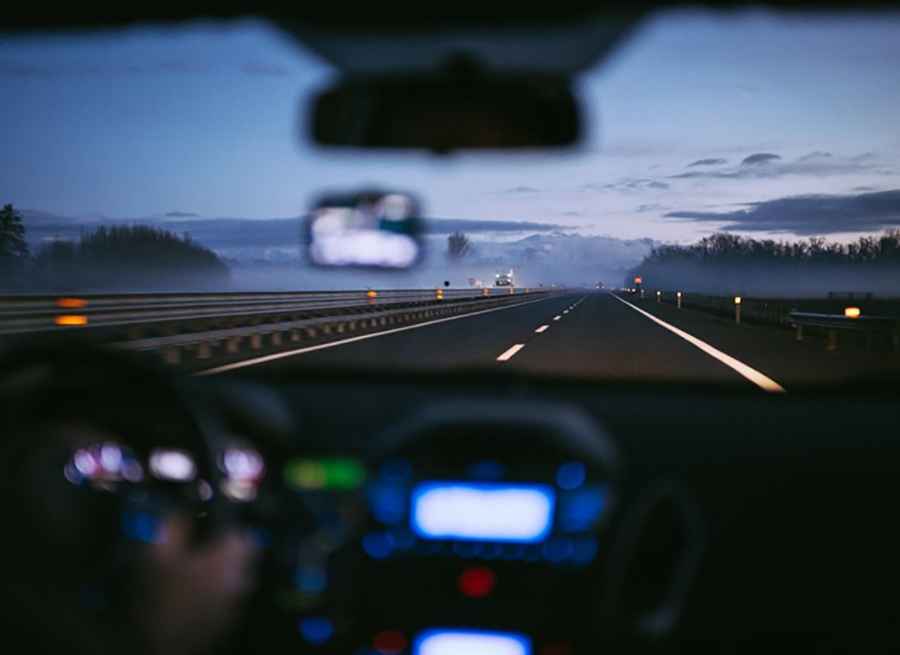
The Changing Hazards on the Road
A simple commute can turn hazardous when the surrounding conditions shift without warning. Finding yourself in a collision often means dealing with sudden insurance claims and medical bills. If your crash occurs in the area, consulting with rated Cincinnati car accident lawyers can help you navigate the legal aftermath of a severe collision. Legal professionals can review the specific details of a weather-related wreck to determine liability.
Annual statistics show a clear link between shifting weather patterns and roadway safety. One federal study reported that more than 3,800 people die each year in crashes tied directly to weather conditions. The same data indicates that over 268,000 individuals suffer injuries during these weather events. These numbers show that shifting climates present constant difficulties for commuters.
Spring Showers and Slick Surfaces
Springtime brings a mix of melting ice and frequent rainstorms. The first few rain showers after a dry spell create a very slick layer on the asphalt. Oil residue mixes with water instead of washing away immediately. This process turns standard streets into skating rinks for unsuspecting drivers.
Potholes represent another major hazard during the early months of the year. Freezing and thawing cycles crack the asphalt during winter, leaving deep craters behind. Striking a deep pothole can break an axle or send a vehicle spinning into oncoming traffic lanes. Drivers need extra distance to spot these road cavities and steer clear safely.
Summer Heat and Tire Failure
Rising summer temperatures create unique mechanical issues for cars and trucks. Hot air causes the pressure inside a tire to expand rapidly during long highway trips. A report from a personal injury legal group noted that elevated pavement heat contributes heavily to tire blowouts. This issue becomes far worse when tires are already worn down or neglected.
High heat levels can stress vehicle cooling systems to their absolute breaking point. Overheating engines force many motorists onto the shoulders of busy highways. Stranded vehicles create sudden obstacles for passing cars moving at maximum speeds. Keeping up with routine radiator maintenance helps prevent these dangerous situations.
The Hidden Dangers of Construction Zones
Warmer weather signals the start of peak roadwork repair schedules across the country. Construction zones require drivers to navigate narrow lanes and sudden detours. Commuters often fail to slow down when entering these modified traffic patterns. Loose gravel and debris from heavy machinery can crack windshields or cause sudden traction loss.
- Cones and barrels alter traditional lane boundaries without warning.
- Heavy equipment moves slowly near active traffic lanes.
- Fines double for speeding when workers are present on site.
Flashing signs and temporary barricades require complete focus from every motorist. A single moment of distraction inside a work zone can lead to a multi-car pileup. Following the posted temporary speed limits keeps workers and drivers safe.
Autumn Leaves and Blinding Sun
Autumn brings cooler air but introduces a unique set of driving problems. Fallen leaves accumulate on streets, creating a surprisingly slick surface when wet. A wet layer of leaves can reduce tire grip just as much as a sheet of ice. Braking distances increase dramatically when driving over thick patches of foliage.
Sun glare becomes a major problem during late afternoon commutes in the fall. The sun sits lower in the sky, blinding drivers during peak traffic hours. Dirt and smudges on a windshield scatter the light, making visibility even worse. Keeping a clean windshield and using polarized sunglasses can mitigate this blinding effect.
Animal Activity and Early Darkness
As the days get shorter, evening commutes take place in total darkness. The autumn months see a major spike in wildlife movement near major roads. An industry analysis explained that deer become far more active due to migration and mating patterns during this period. Striking a large animal can total a vehicle and cause severe injuries.
The shift in daylight hours alters standard traffic patterns and increases driver fatigue. A tracking report focused on highway fatalities revealed that October recorded 3,505 fatal wrecks. This figure sat nearly 12% above the typical monthly average of 3,138 crashes. Staying alert during these transition months prevents devastating encounters on rural and suburban paths.
Winter Ice and Freezing Conditions
Winter driving demands the highest level of caution from every motorist. Freezing temperatures turn regular puddles into invisible sheets of black ice. Drivers often lose control before they even realize the surface beneath them has frozen solid. Bridges and overpasses freeze first since cold air circulates underneath the structure.
Snow and slush create physical barriers that reduce tire contact with the road. A dedicated research group published findings stating that over 1,300 people die annually in crashes on snowy or icy pavement. The same data highlights that more than 116,000 individuals experience injuries in these winter accidents. Reducing travel speeds remains the best defense against winter weather surprises.
Remaining aware of your surroundings keeps you safe through every seasonal shift. True road safety relies on constant vigilance and timely vehicle upkeep. When drivers respect the power of nature, the streets become safer for everyone.
Image Source: https://unsplash.com/photos/person-riding-on-vehicle-qAc3UNF8Hm4